UL 1558 SWITCHGEAR
Custom low-voltage switchgear engineered and manufactured for critical power applications, complex EPC projects, brownfield modernization, utility service, generator integration, and long-term electrical system reliability.
Custom UL 1558 Switchgear Manufacturer
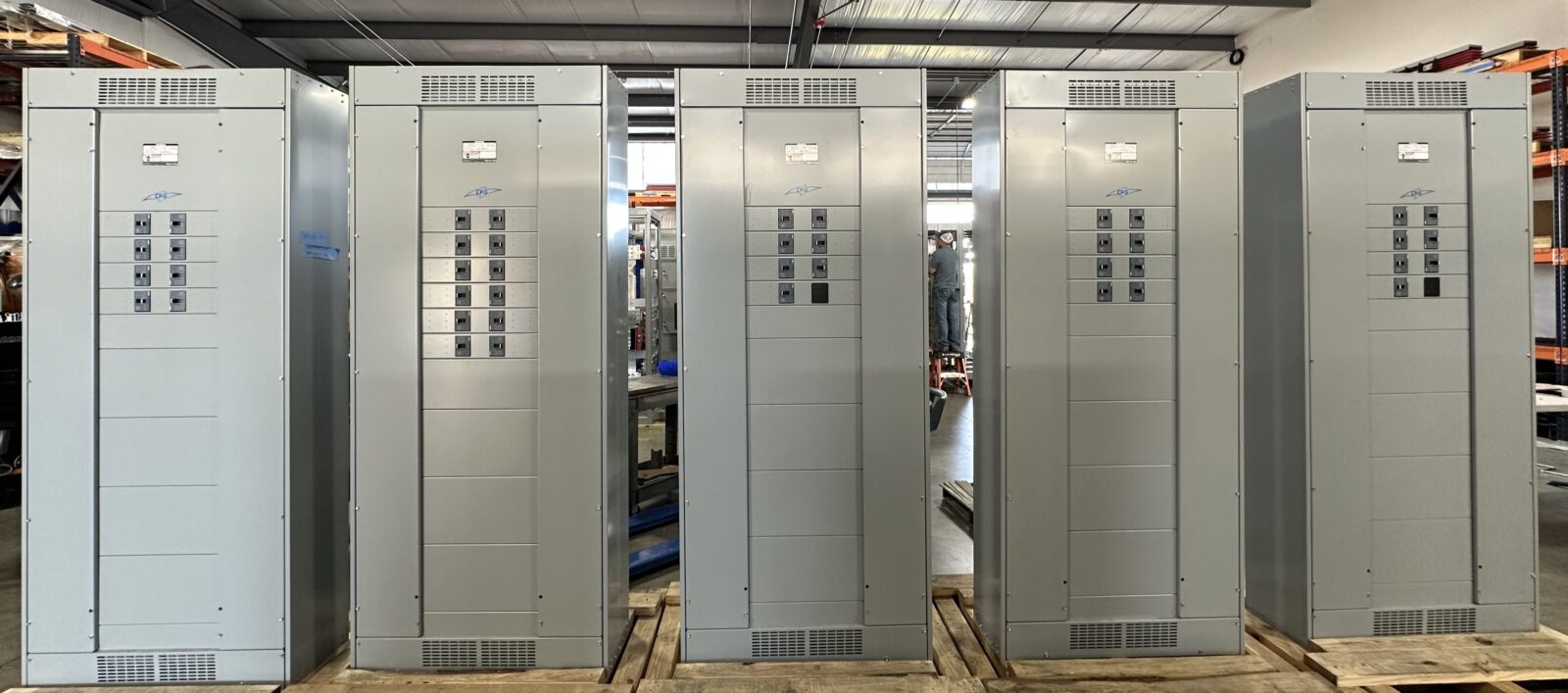
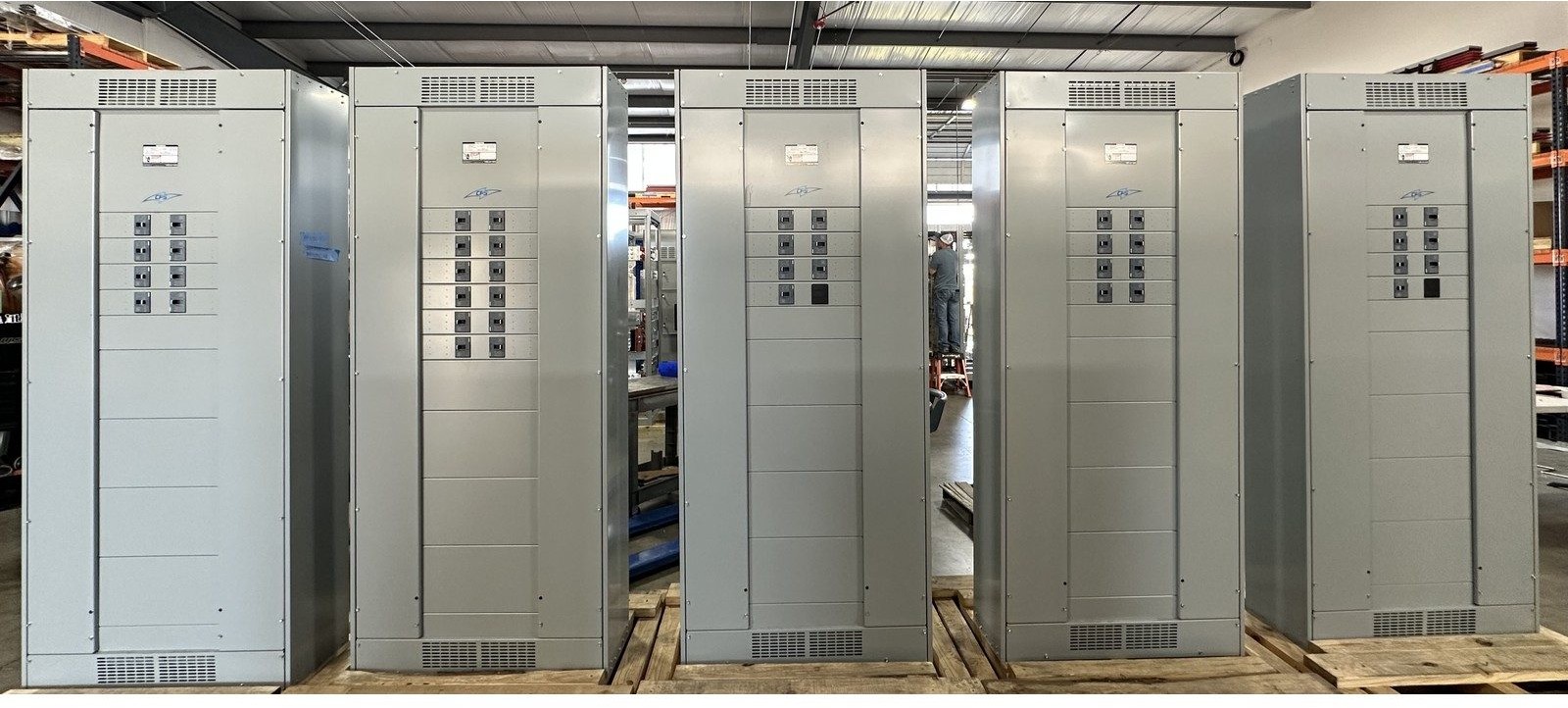
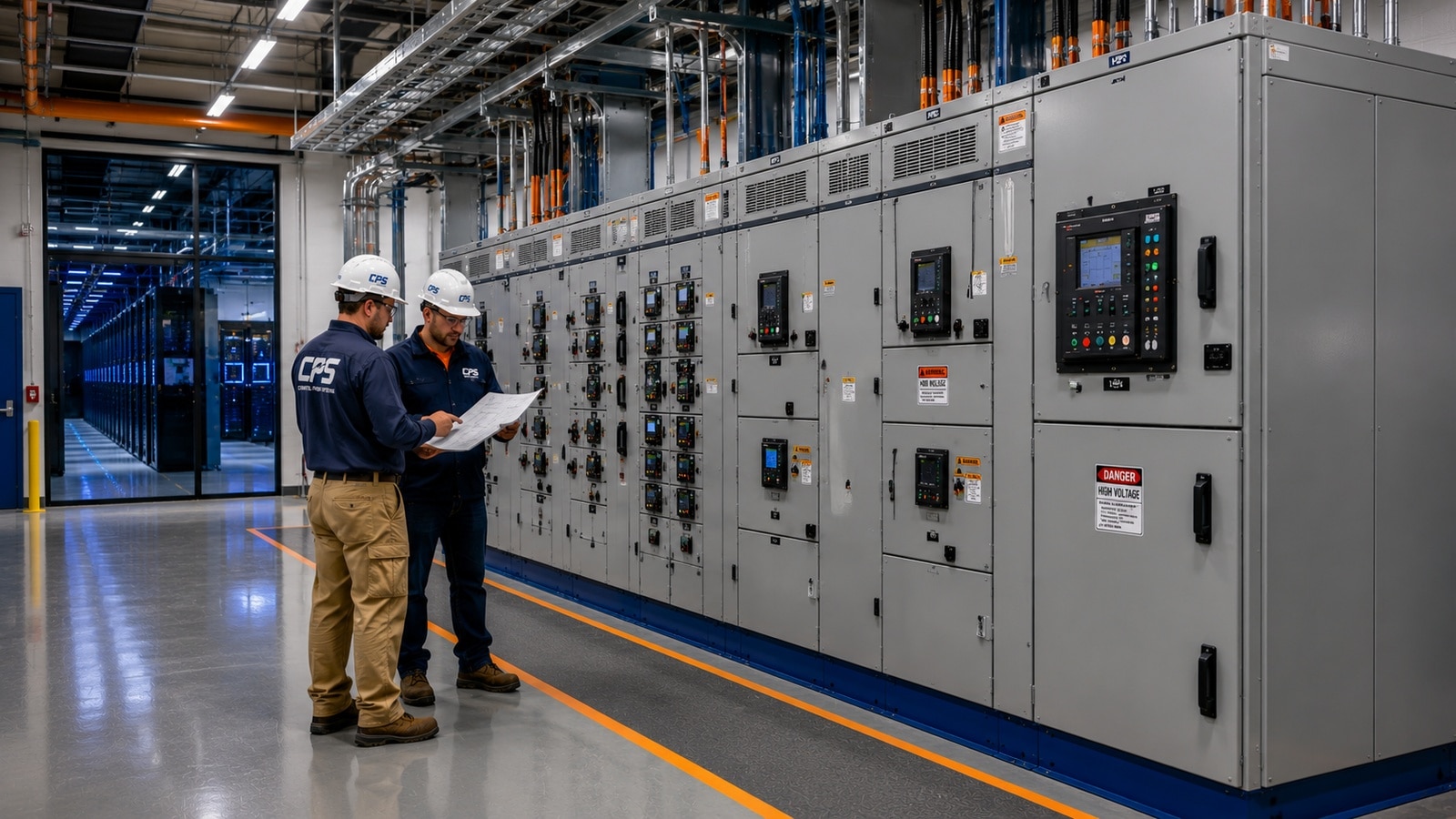
Coastal Power Systems is a U.S. UL 1558 switchgear manufacturer specializing in custom low-voltage switchgear for industrial facilities, data centers, utilities, power generation plants, oil and gas operations, petrochemical facilities, and other critical infrastructure applications (see Industries Served).
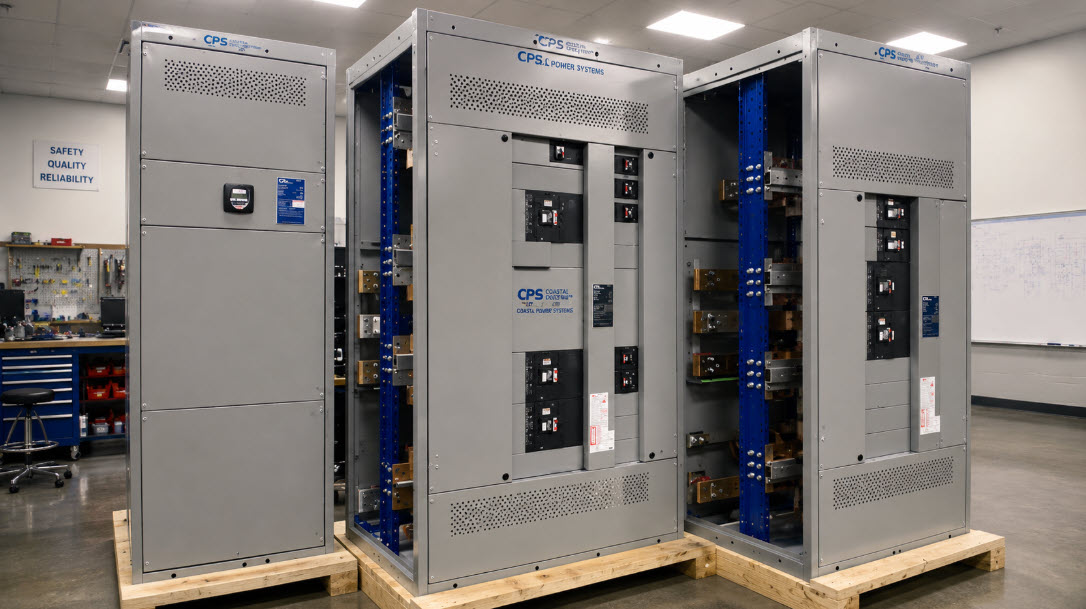
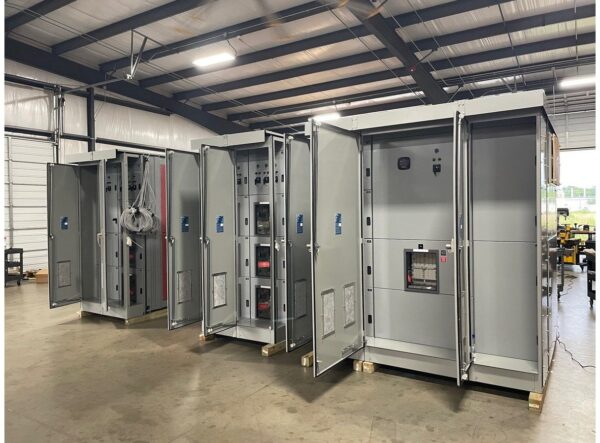
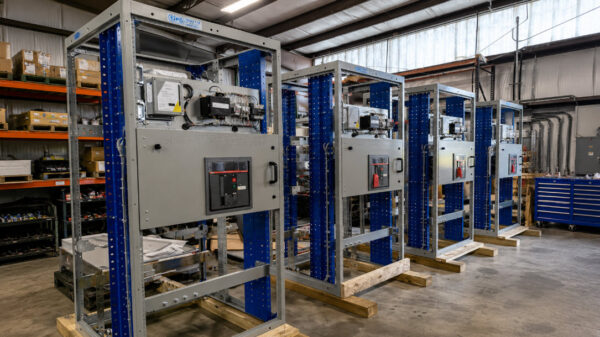
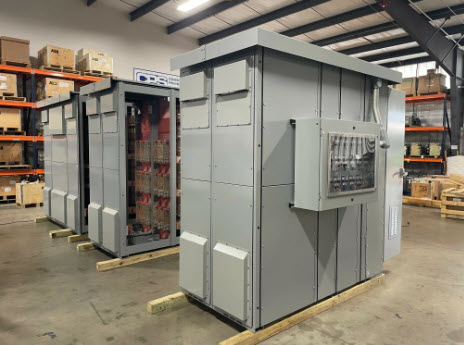
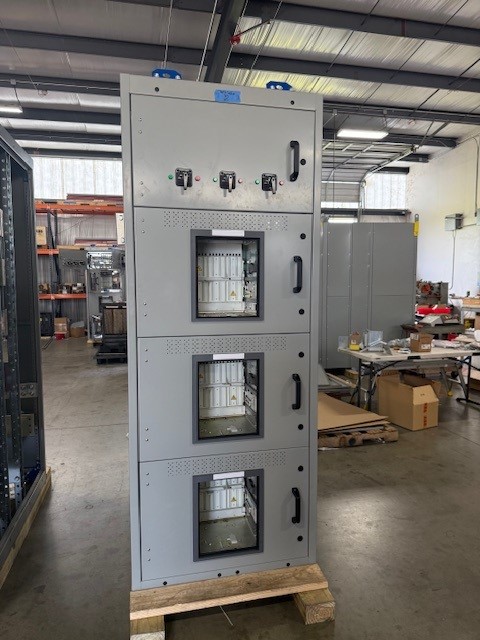
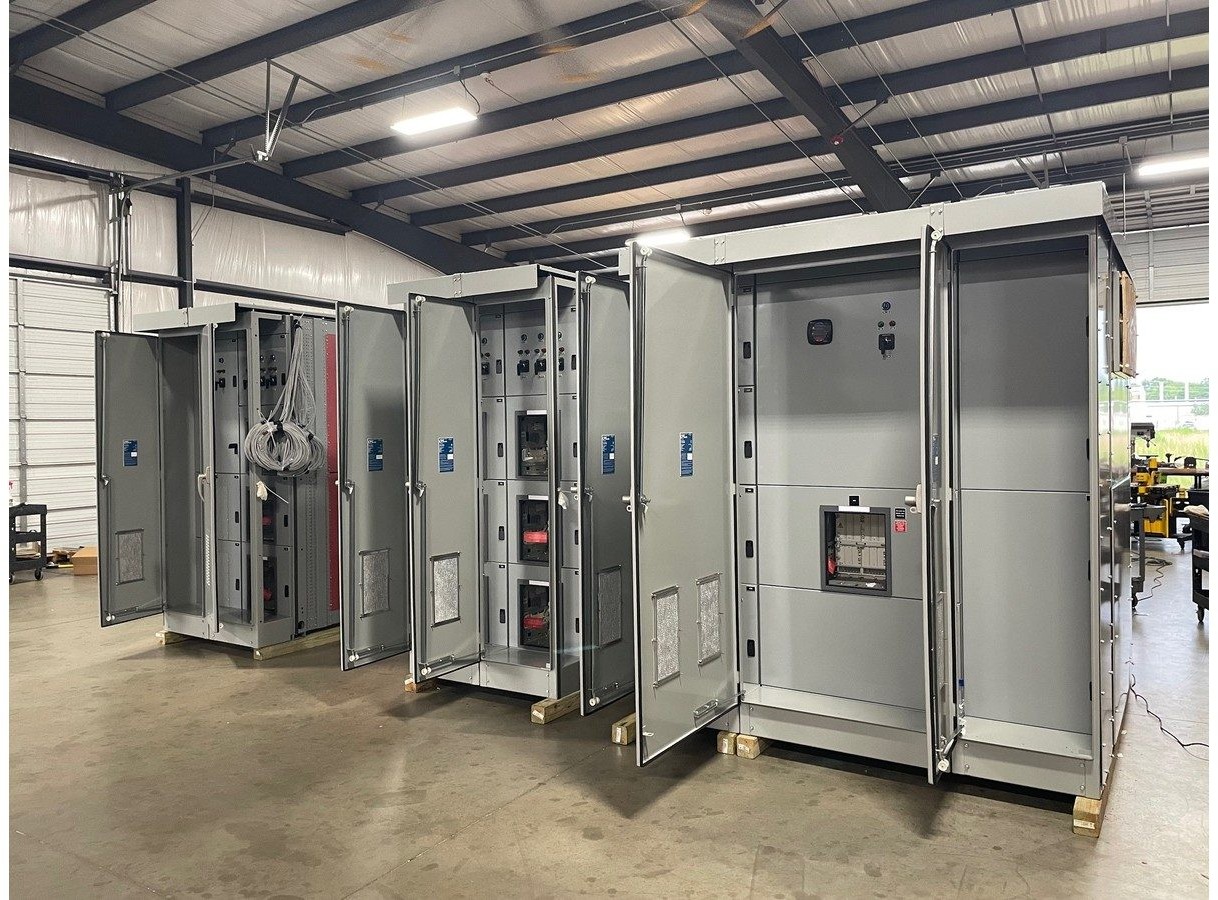
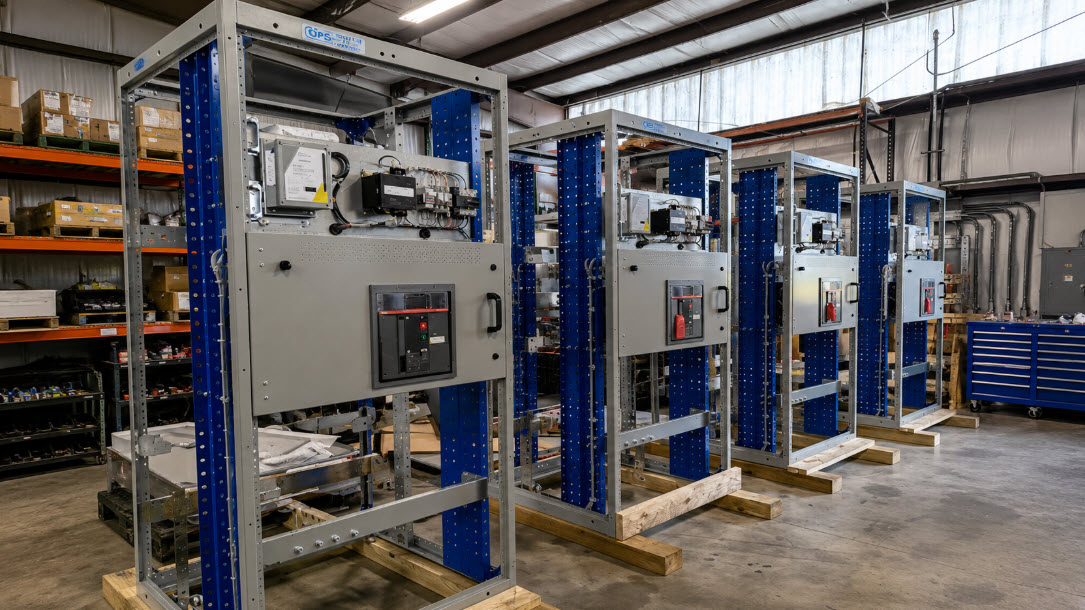
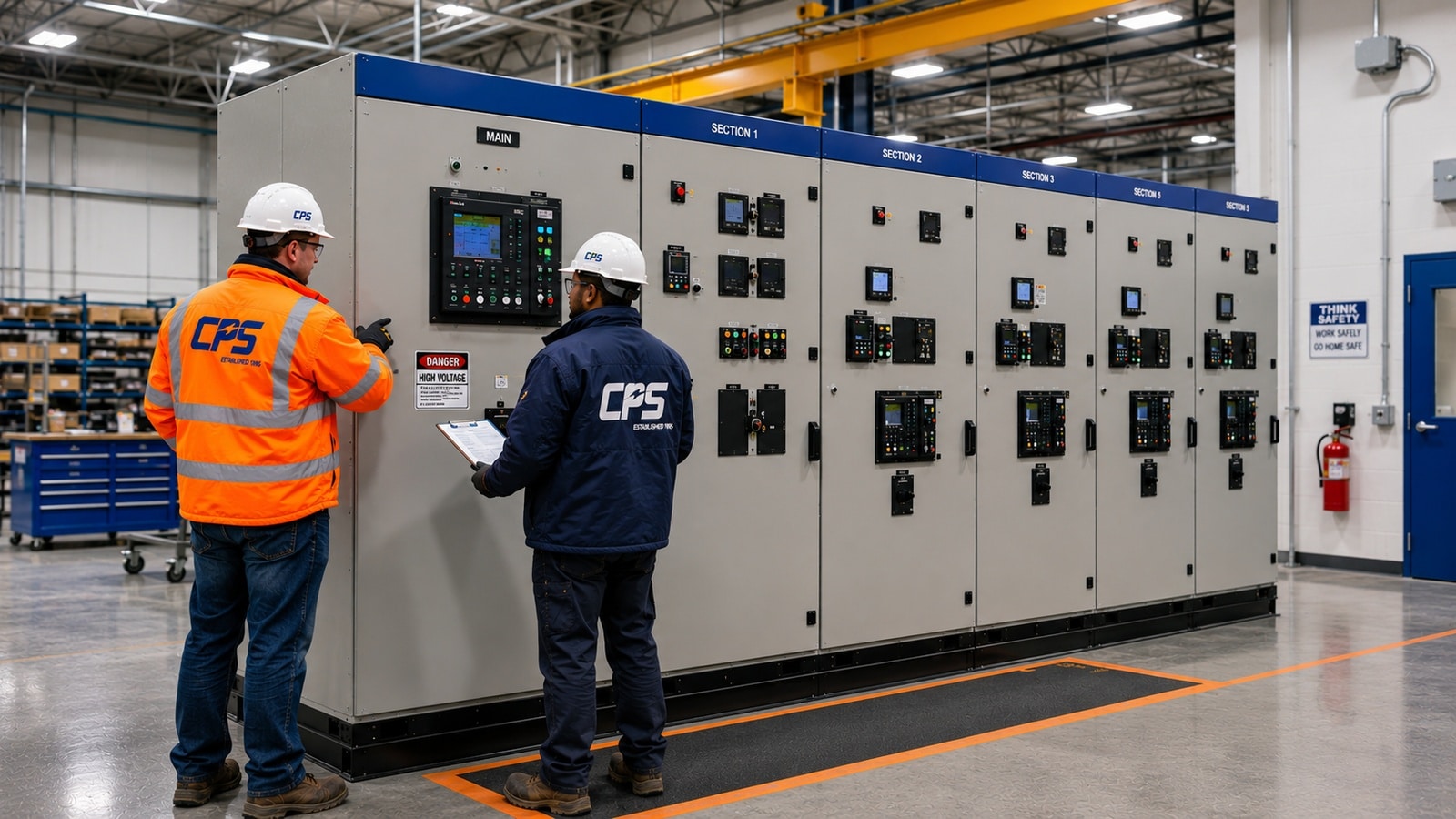
CPS designs, manufactures, assembles, wires, integrates, and factory tests custom UL 1558 switchgear based on project-specific electrical, operational, physical, and lifecycle requirements. Available configurations include utility service entrance equipment, main-tie-main switchgear, double-ended substations, generator integration systems, replacement switchgear, expansion sections, and specialized industrial power distribution equipment.
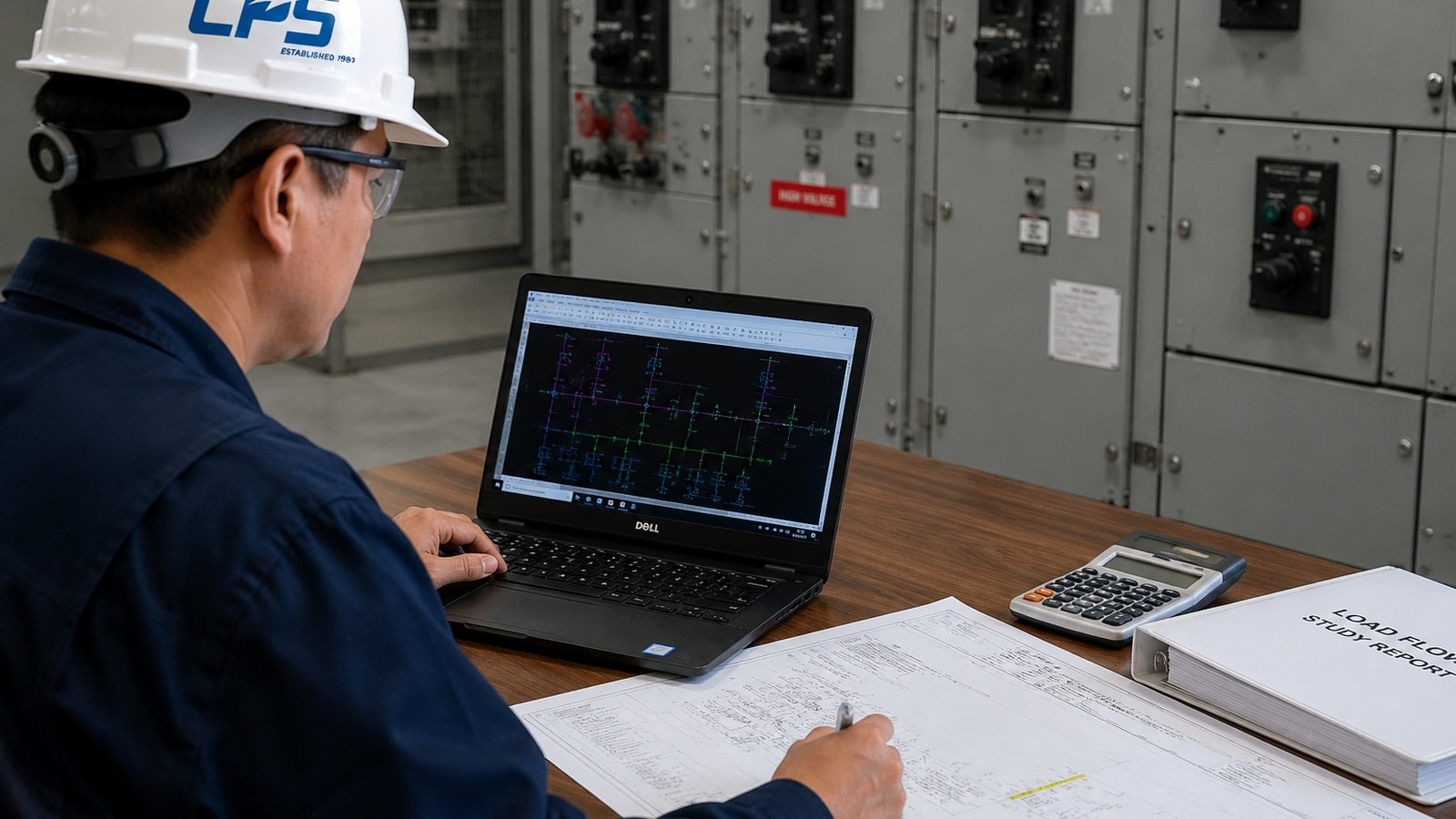
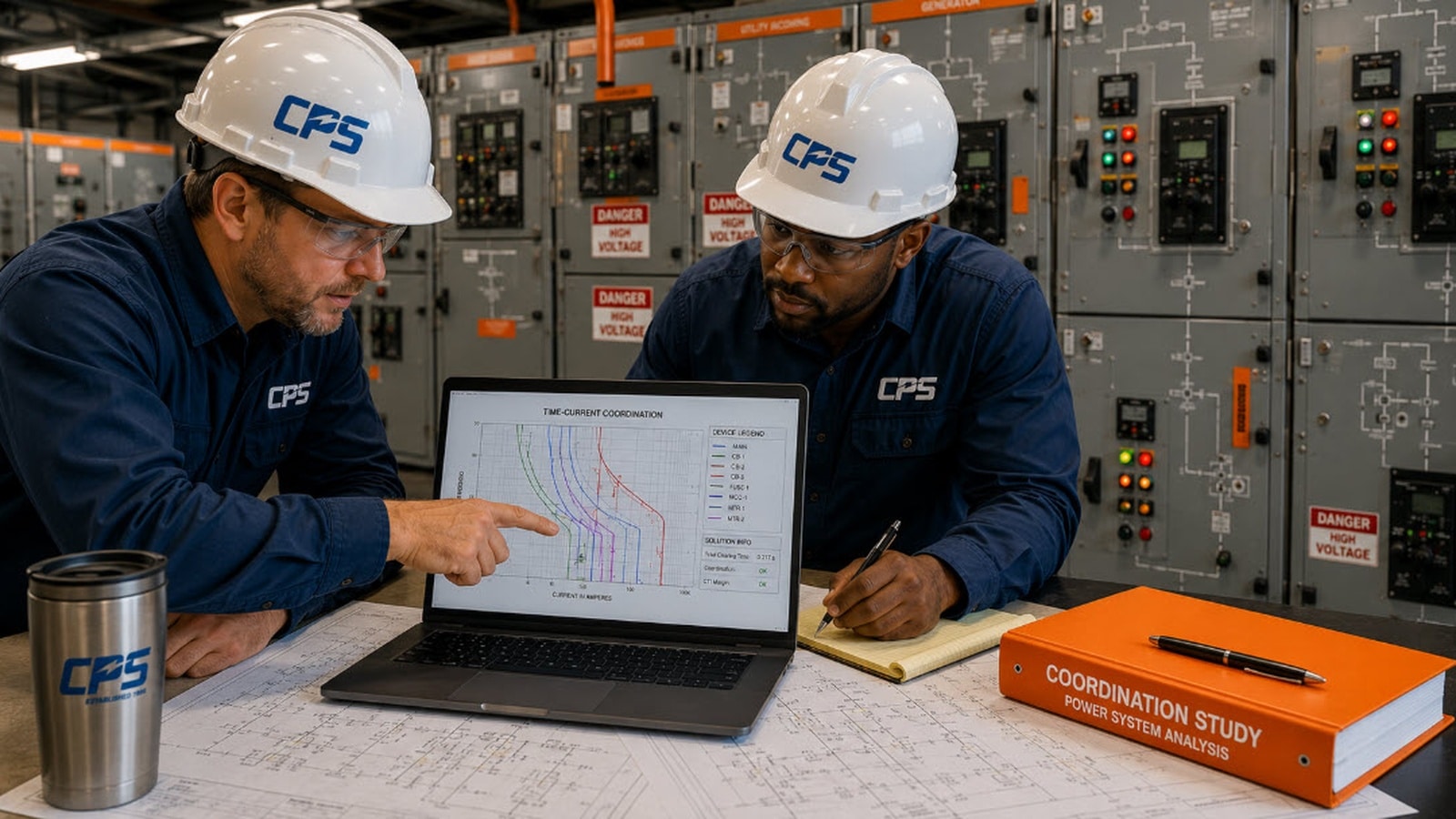
Manufacturing remains at the core of CPS. However, successful switchgear projects frequently require more than equipment production. EPC firms, consulting engineers, facility owners, contractors, distributors, and procurement teams may also need system studies, protection and control integration, specification review, factory acceptance testing, commissioning, maintenance, modernization, and long-term field support.
By combining switchgear manufacturing with engineering and lifecycle services, CPS gives project teams one technical partner capable of supporting the equipment from initial application review through installation, energization, maintenance, and future modernization.
UL 1558 Switchgear Capabilities
- Custom low-voltage metal-enclosed switchgear for systems operating at 600 VAC or less
- 600A through 4000A ratings, with selected configurations available up to 8000A
- Configurations available for applications requiring ratings up to 100 kAIC
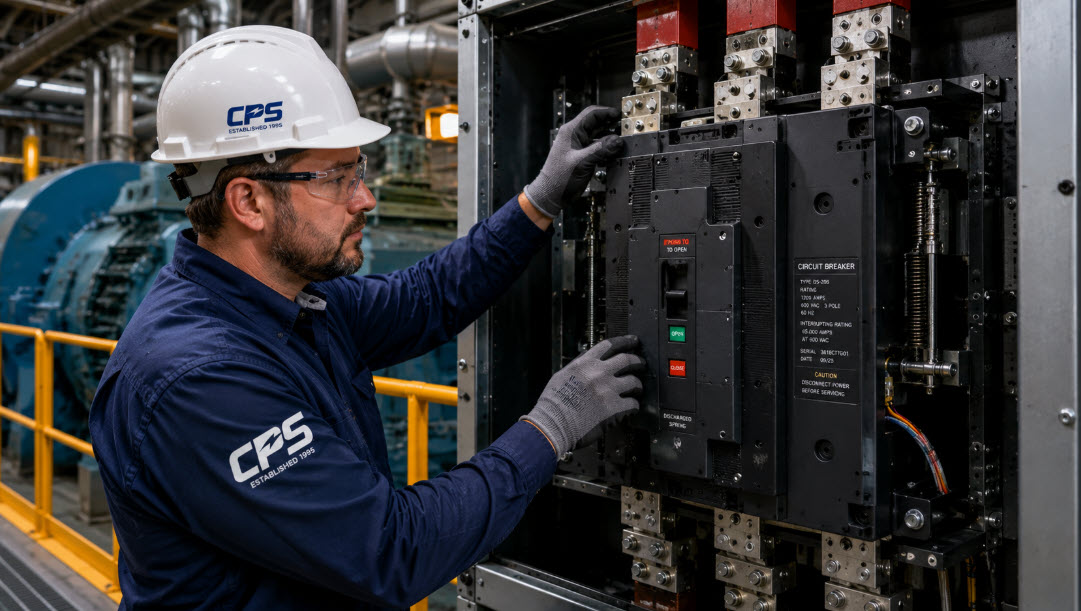
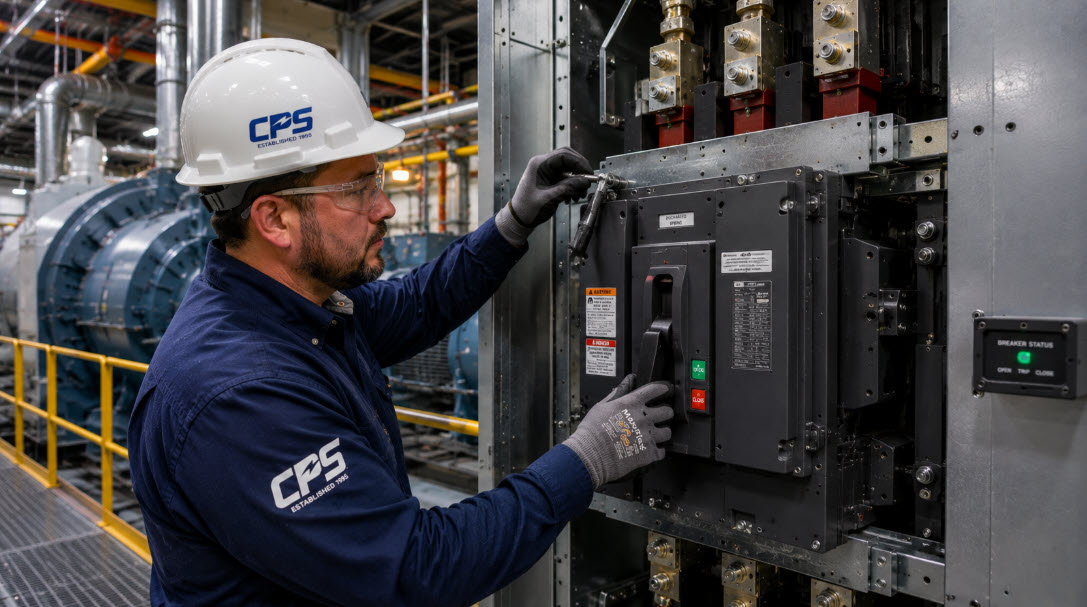
- Draw-out power circuit breakers with advanced electronic trip units
- Main-only, main-tie-main, multiple-main, single-ended, and double-ended configurations
- Utility service entrance and industrial power distribution applications
- Generator integration and automatic transfer applications
- Four-high circuit breaker arrangements
- NEMA 1 indoor and NEMA 3R outdoor configurations
- Protective relays, digital metering, communications, and control-system integration
- Reduced energy let-through and maintenance-mode options
- Remote operation, Bluetooth connectivity, thermal sensing, and monitoring options
- High-resistance grounding and specialized protection arrangements
- Custom section dimensions for space-constrained and brownfield applications
- Replacement sections and equipment designed to interface with existing infrastructure
- Factory testing, documentation, and customer-witnessed factory acceptance testing when specified
What Is UL 1558 Switchgear?
UL 1558 is the recognized product standard for low-voltage metal-enclosed switchgear. Equipment built for UL 1558 applications is generally used in electrical distribution systems operating at 600 volts or less and typically incorporates draw-out power circuit breakers, compartmentalized construction, bus systems, protective devices, metering, controls, and communications equipment.
UL 1558 switchgear is commonly specified where power-system reliability, short-circuit performance, protective-device coordination, maintenance accessibility, operational flexibility, and equipment longevity are important. These requirements frequently arise in data centers, utilities, power generation facilities, petrochemical plants, industrial operations, healthcare campuses, water facilities, transportation systems, and other critical environments.
Although switchgear and switchboards both distribute electrical power, they are not interchangeable in every application. UL 1558 switchgear is generally selected for systems that require power circuit breakers, compartmentalized construction, advanced protection, higher short-circuit withstand capability, and greater maintenance flexibility. For less demanding distribution applications, a UL 891 switchboard may be appropriate.
Why Selecting the Right UL 1558 Switchgear Manufacturer Matters
Low-voltage switchgear often remains in service for several decades. Decisions made during equipment design and procurement can affect electrical reliability, personnel safety, maintenance costs, outage duration, spare-parts availability, future expansion, modernization flexibility, and overall lifecycle value.
The switchgear manufacturer must do more than assemble breakers and bus. The manufacturer must interpret project specifications, one-line diagrams, system ratings, protection requirements, operating sequences, enclosure needs, space constraints, cable-entry requirements, and interface points with other electrical equipment.
Errors or omissions during this process can create substantial consequences during installation and commissioning. Incorrect dimensions, unsuitable cable-entry locations, incomplete control logic, incompatible communications, inadequate expansion provisions, and misunderstood protection requirements can cause schedule delays, field modifications, additional outages, and increased project costs.
CPS approaches each project as both a manufacturing assignment and a power-system application. Our engineering, manufacturing, testing, commissioning, and field experience help project teams identify practical issues before the switchgear reaches the jobsite.
Custom UL 1558 Switchgear Versus Standard Equipment
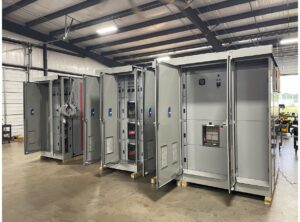
Standard catalog switchgear may work well when project requirements closely match the manufacturer’s available configurations. Many industrial and critical power projects, however, involve physical, electrical, or operational requirements that cannot be addressed efficiently with standard equipment.
Brownfield projects frequently involve limited electrical-room space, fixed conduit locations, existing bus connections, restricted equipment access, short outage windows, unusual cable-entry requirements, utility-specific standards, obsolete equipment interfaces, or existing protection systems that must remain in service.
New construction projects can also require custom solutions. Data centers, power plants, industrial facilities, and utility projects may need specialized redundancy arrangements, generator interfaces, automatic transfer schemes, advanced relaying, remote operation, communications integration, future expansion provisions, or project-specific control logic.
Custom-engineered UL 1558 switchgear allows these requirements to be addressed during the design and manufacturing process rather than through extensive field modification. This can simplify installation, reduce project risk, support shorter outage windows, improve maintainability, and provide a more practical path for future expansion.
UL 1558 Switchgear for Brownfield Modernization
Many UL 1558 switchgear projects begin because existing electrical equipment no longer supports the facility’s operational or reliability requirements. Aging switchgear, obsolete breakers, unavailable replacement parts, increased electrical loads, higher utility fault-current levels, generator additions, new production equipment, and facility expansions can all create the need for replacement or modernization.
Brownfield modernization is rarely as simple as removing one lineup and installing another. Existing rooms may not accommodate the dimensions of current standard equipment. Bus connections, conduits, cables, control wiring, and protective devices may need to remain in their original locations. The installation may also need to be completed during a tightly controlled outage.
CPS can engineer new UL 1558 switchgear around the existing facility. Custom section widths, bus locations, cable-entry arrangements, breaker configurations, and control interfaces can reduce changes to surrounding infrastructure and help limit installation complexity.
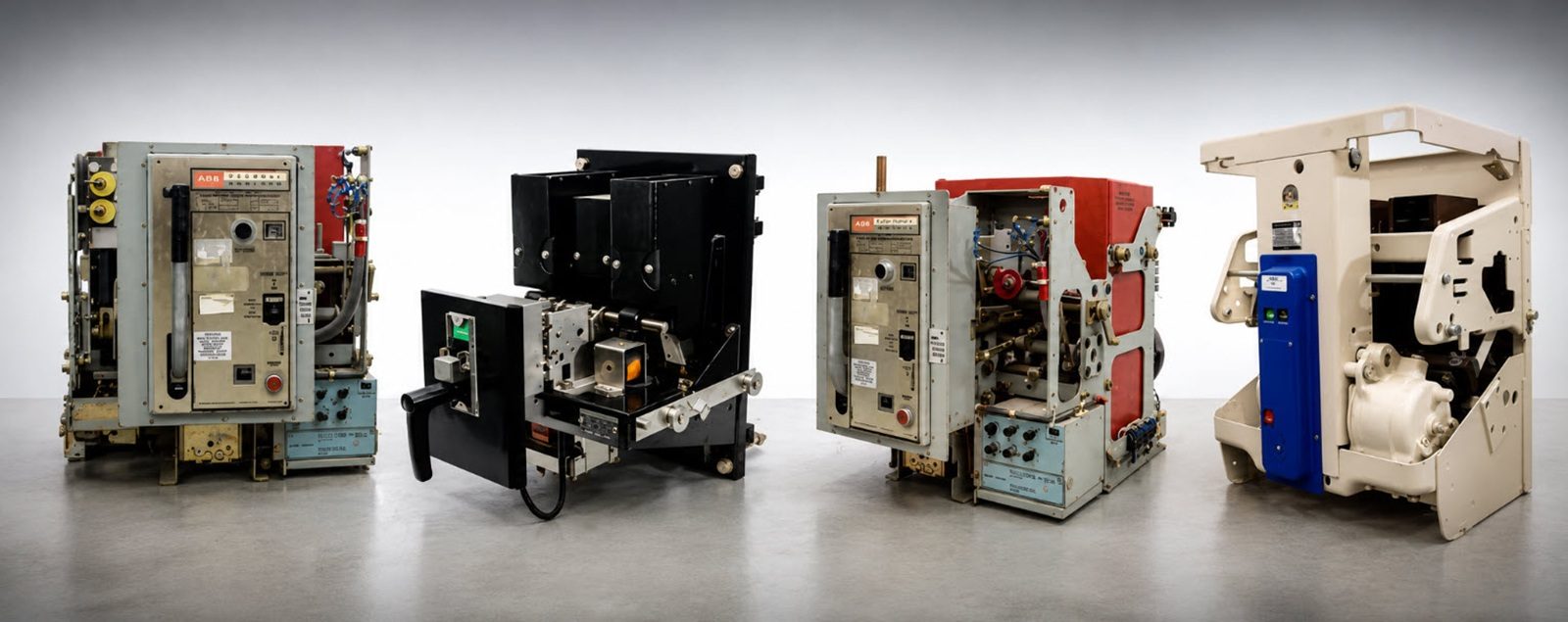
When complete replacement is not the best option, CPS can also help evaluate switchgear modernization and life-extension strategies, including breaker retrofits, protective-relay upgrades, control-system improvements, replacement sections, and other targeted solutions.
Space-Constrained Switchgear Applications
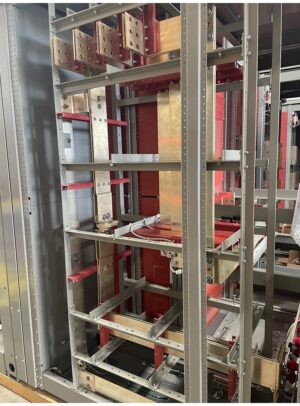
Available floor space is one of the most important design constraints in many switchgear projects. New facilities may allow electrical rooms to be designed around equipment requirements, but existing facilities rarely provide that flexibility.
Modernization projects may involve fixed walls, structural columns, limited aisle space, existing conduits, overhead bus, restricted access doors, or surrounding equipment that cannot be relocated. A switchgear lineup that satisfies the electrical specification but does not fit the available room is not a successful solution.
CPS can develop compact arrangements and custom section dimensions based on breaker requirements, bus configuration, cable access, controls, ventilation, and maintenance clearances. Four-high breaker arrangements may also help increase equipment density and reduce total lineup length where the application allows.
Designing around available space can reduce building modifications, simplify installation, shorten outage requirements, and help preserve safe access for operation and maintenance.
Main-Tie-Main and Double-Ended Switchgear
Main-tie-main switchgear is commonly used where facilities require multiple power sources, operational flexibility, redundancy, load transfer capability, or improved maintenance options. A typical arrangement includes two main breakers and a tie breaker connecting separate bus sections.
Depending on the protection and control strategy, the equipment may support open-transition transfer, closed-transition transfer, manual operation, automatic transfer, source paralleling restrictions, load shedding, generator integration, or other operating sequences.
Successful main-tie-main projects require careful coordination between the switchgear manufacturer, system engineer, protective-relay engineer, controls provider, generator supplier, utility, commissioning team, and facility operator. Breaker interlocks, relay logic, source availability, synchronization requirements, control power, and operating procedures must be clearly defined.
CPS can integrate the equipment, protection, controls, metering, communications, and operating logic into a coordinated switchgear solution. Engineering and commissioning support are also available to help verify that the completed system performs as intended.
Generator Integration and Automatic Transfer Applications
Generator integration can substantially increase the complexity of a low-voltage switchgear project. The equipment may need to coordinate multiple utility and generator sources, automatic transfer logic, synchronization controls, load-shed sequences, protective relays, communications, and facility operating procedures.
Some projects require a simple utility-to-generator transfer. Others involve multiple generators, multiple mains, redundant bus sections, paralleling equipment, staged load restoration, or sophisticated control sequences.
CPS works with EPC firms, engineers, generator suppliers, control-system providers, and facility representatives to define equipment interfaces and operating requirements. Integrating these requirements during switchgear design can reduce field changes and simplify testing during commissioning.
Protective Relays, Trip Units, and Control Integration
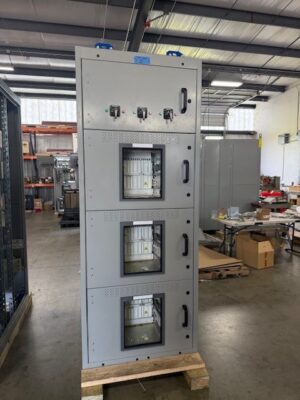
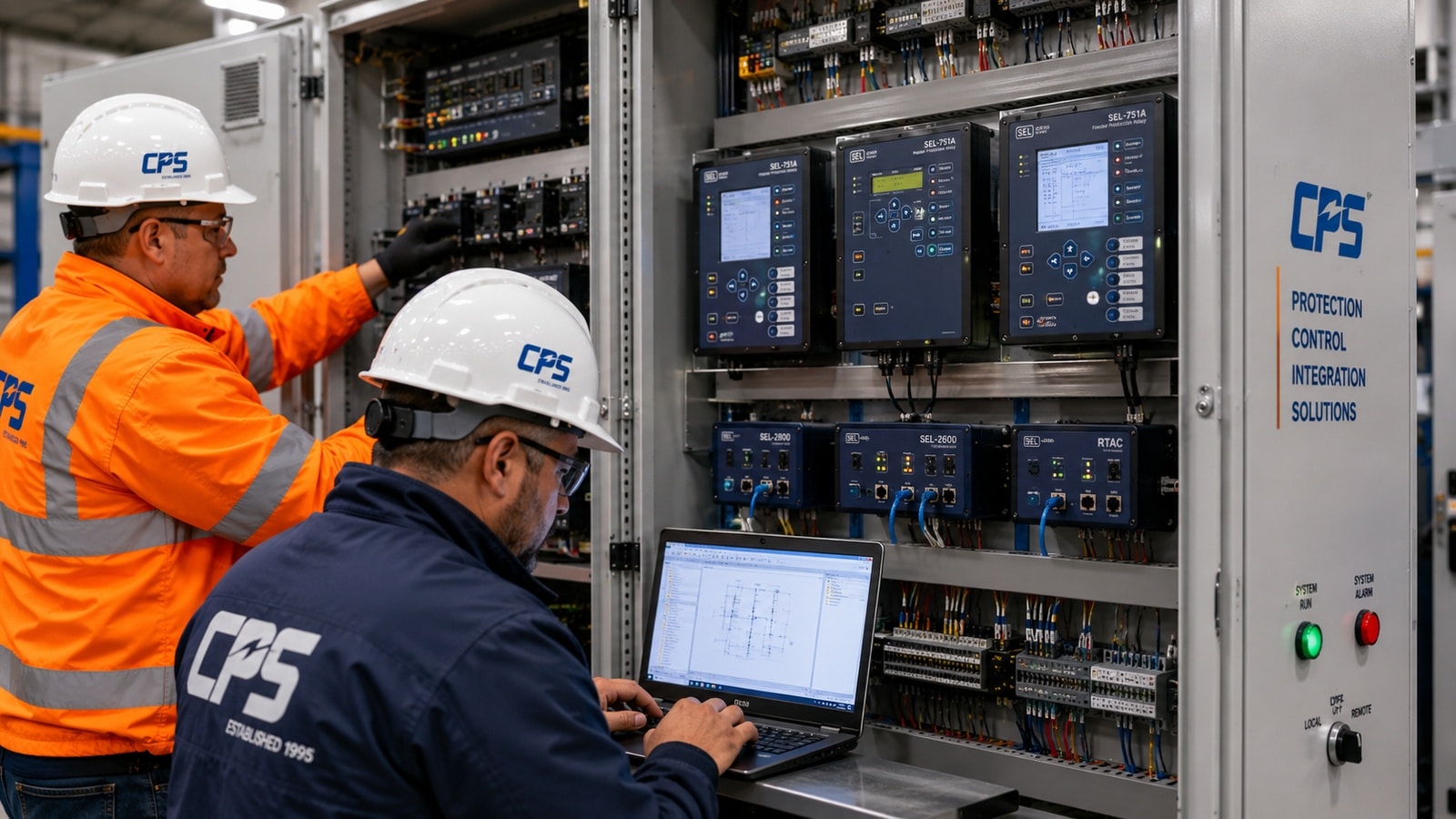
Modern UL 1558 switchgear can incorporate electronic trip units, protective relays, digital meters, programmable controls, communications devices, thermal-monitoring systems, remote-operation equipment, and other intelligent components.
Electronic trip units provide adjustable overcurrent protection and may also support metering, event recording, communications, waveform capture, maintenance-mode functions, ground-fault protection, and system-health monitoring. Available capabilities vary by breaker and trip-unit manufacturer.
Protective relays may be required for utility interconnections, generator applications, complex transfer schemes, differential protection, directional protection, arc-flash mitigation, or specialized industrial systems. Relay requirements must be coordinated with instrument transformers, breaker controls, control power, communications, and the overall protection philosophy.
CPS provides protection and control system integration as part of the switchgear manufacturing process. This helps ensure that devices are physically installed, wired, programmed, documented, and tested as part of a coordinated system.
Metering, Monitoring, and Communications
Electrical data has become increasingly important for capacity planning, energy management, preventive maintenance, troubleshooting, and power-system analysis. Switchgear can serve as a central point for collecting and communicating this information.
Depending on project requirements, CPS can incorporate digital meters, breaker trip-unit metering, communication gateways, remote input/output devices, thermal sensors, power-quality monitoring, and facility communication protocols.
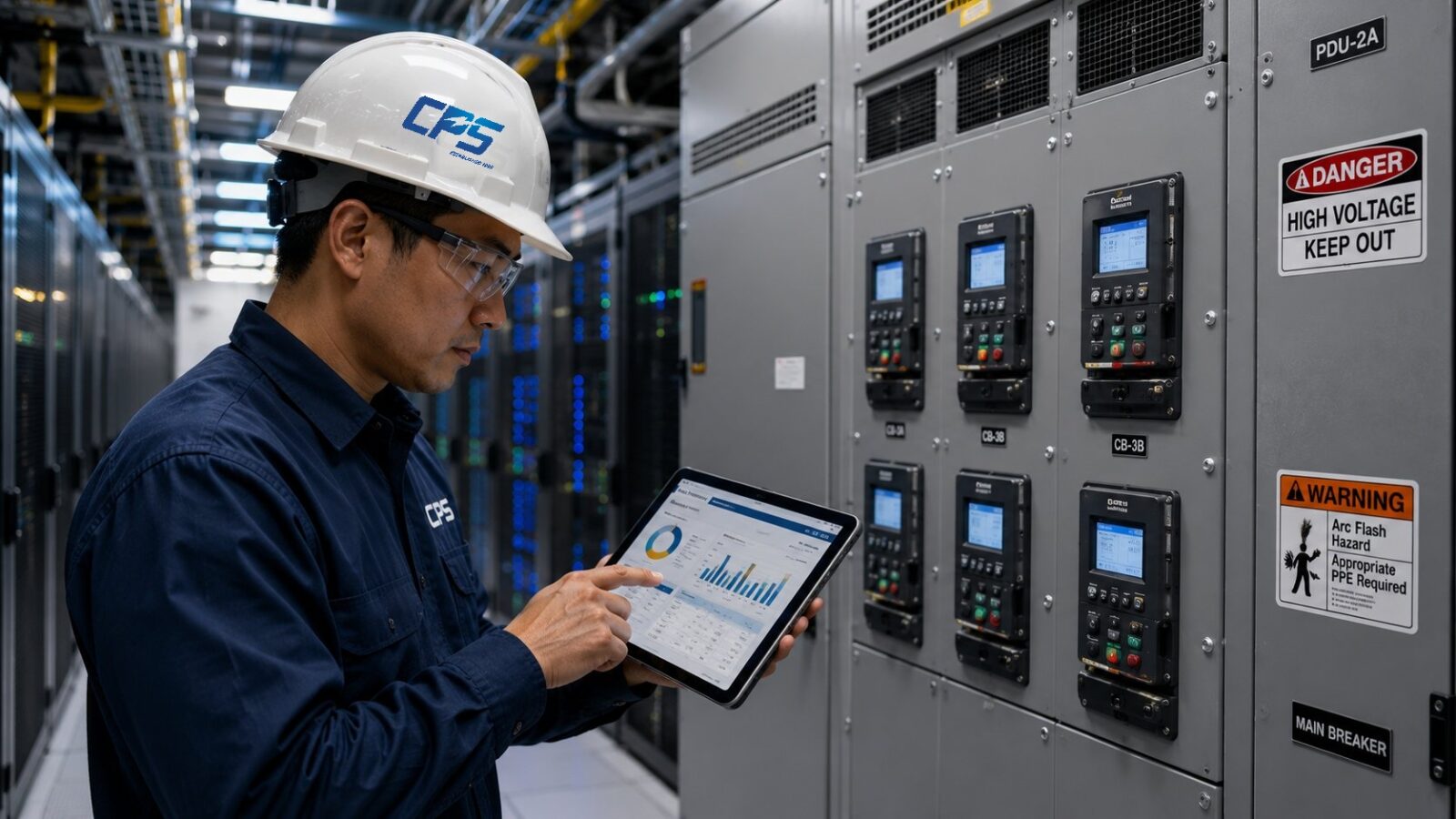
These capabilities can provide operating personnel with greater visibility into electrical loading, breaker status, alarms, fault events, energy use, and developing equipment conditions. Accurate information helps facilities make more informed operating and maintenance decisions.
Communications requirements should be established early in the project. Protocols, network architecture, device addressing, cybersecurity requirements, data points, and interfaces with building or industrial control systems can affect equipment selection and control design.
Arc-Flash Risk Reduction and Maintenance Mode
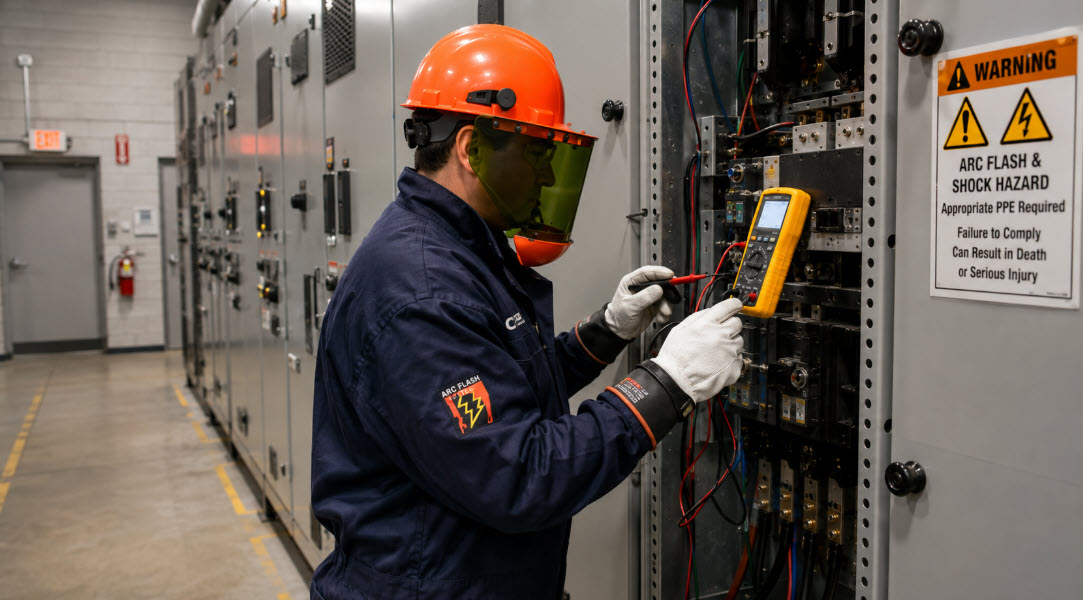
Arc-flash risk must be evaluated as part of the complete electrical system. Switchgear construction, protective-device settings, fault current, clearing time, working distance, maintenance practices, and operating procedures all affect incident energy.
Maintenance-mode or reduced-energy-let-through functions can allow selected breakers to use faster temporary protection settings while qualified personnel perform maintenance activities. Faster clearing may reduce incident energy under specific system conditions.
Remote racking, remote breaker operation, differential protection, zone-selective interlocking, arc-detection systems, and other mitigation strategies may also be considered depending on the application.
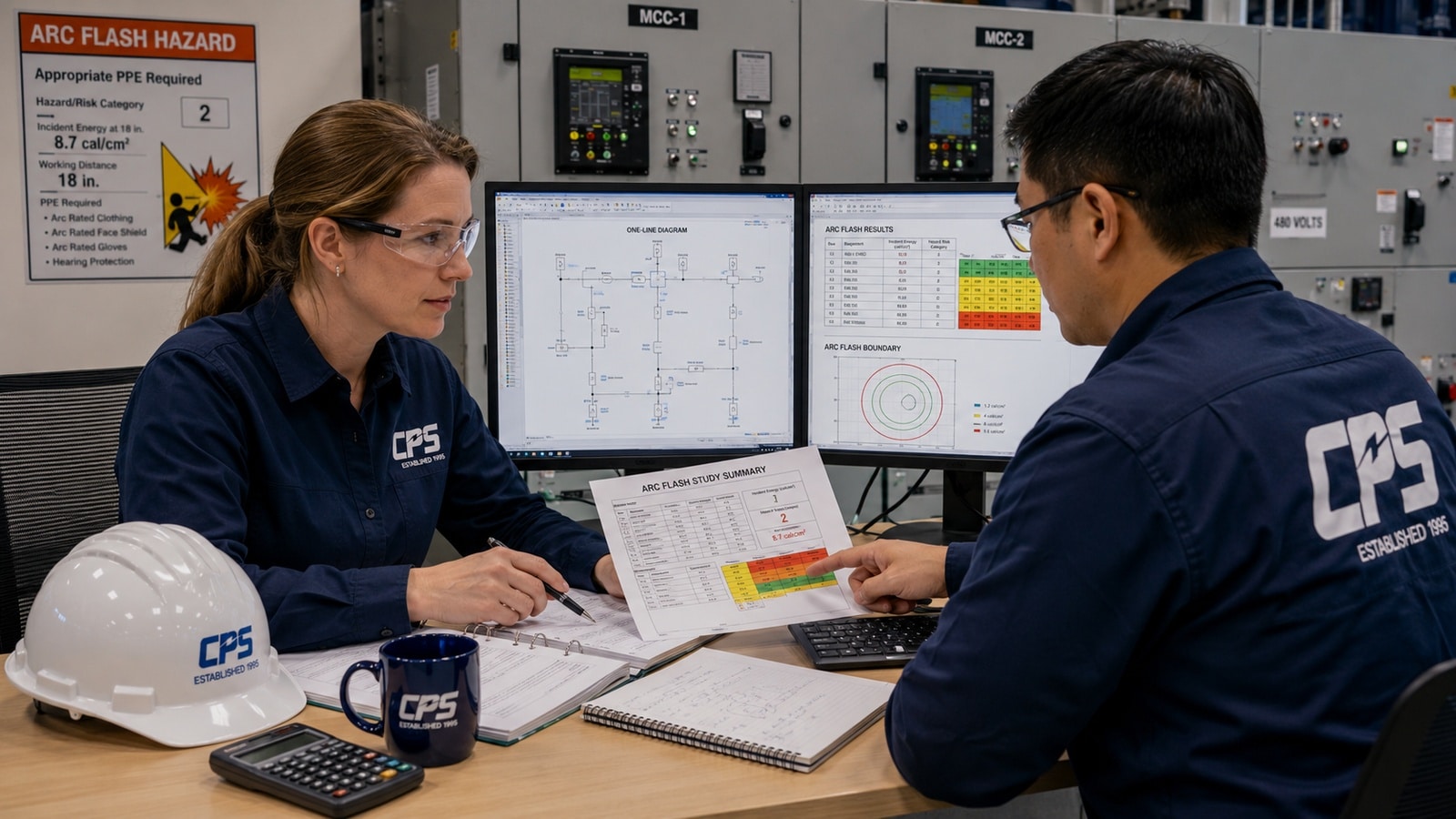
No single feature eliminates arc-flash risk. Appropriate solutions should be supported by an engineering analysis, including a current short-circuit and arc-flash study. CPS can coordinate switchgear manufacturing with power-system engineering services to help project teams evaluate these requirements.
Engineering Considerations for UL 1558 Switchgear Specifications
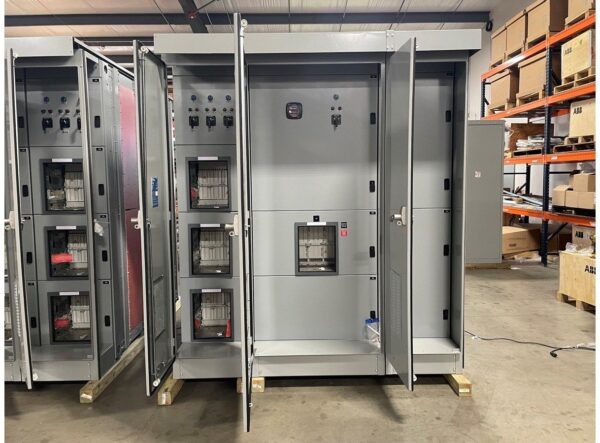
Successful switchgear projects begin with a clear understanding of the electrical system and the intended operating requirements. Equipment specifications should address more than nominal voltage, continuous-current rating, breaker sizes, and enclosure dimensions.
Important considerations include available fault current, equipment short-circuit rating, bus rating, protective-device coordination, service entrance requirements, grounding, control power, breaker arrangements, cable-entry locations, communications, operating sequences, future expansion, environmental conditions, and maintenance access.
Available fault current should be evaluated for both current and reasonably anticipated future conditions. Utility upgrades, transformer replacements, facility expansions, and generator additions can increase fault-current levels after the original equipment is installed.
Expansion requirements should also be considered early. Spare breaker positions, additional bus capacity, future sections, reserved control points, and physical extension provisions are generally more economical to incorporate during initial manufacturing than after the equipment is installed.
CPS can work from customer specifications and drawings or collaborate with project engineers to identify equipment requirements before manufacturing begins.
Factory Testing and Quality Verification
Factory testing verifies that the switchgear conforms to approved drawings, project specifications, manufacturing requirements, and intended operating functions before shipment.
Depending on equipment configuration and project requirements, factory testing may include:
- Visual and mechanical inspection
- Verification of equipment dimensions and component locations
- Bus and mechanical connection inspection
- Control-wiring verification
- Insulation-resistance testing
- Breaker insertion, removal, and operational checks
- Mechanical and electrical interlock verification
- Control-power and auxiliary-system testing
- Trip-unit and protective-relay checks
- Metering and communications verification
- Automatic transfer and control-sequence testing
- Alarm, indication, and remote input/output testing
- Customer-witnessed factory acceptance testing when specified
Factory acceptance testing gives project representatives an opportunity to review the equipment, observe functional testing, confirm control sequences, and resolve issues before shipment. Identifying problems at the manufacturing facility is generally more efficient than discovering them during installation or energization.
Commissioning and Field Support
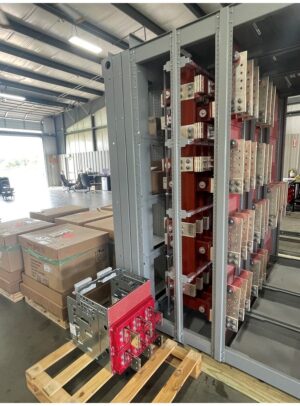
Equipment manufacturing is only one phase of a successful switchgear project. Installation, field testing, commissioning, energization, operator preparation, and long-term maintenance also affect system performance.
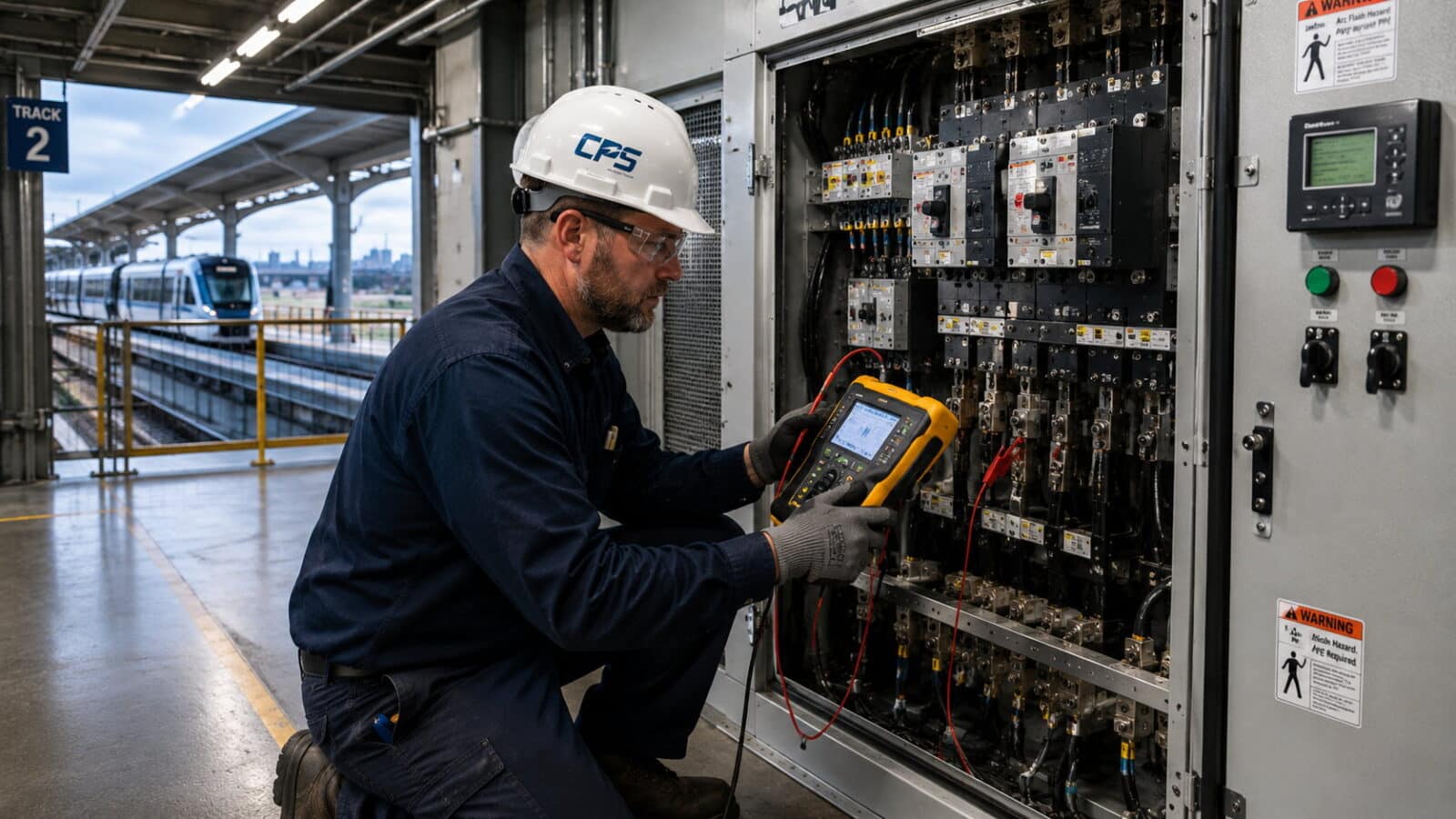
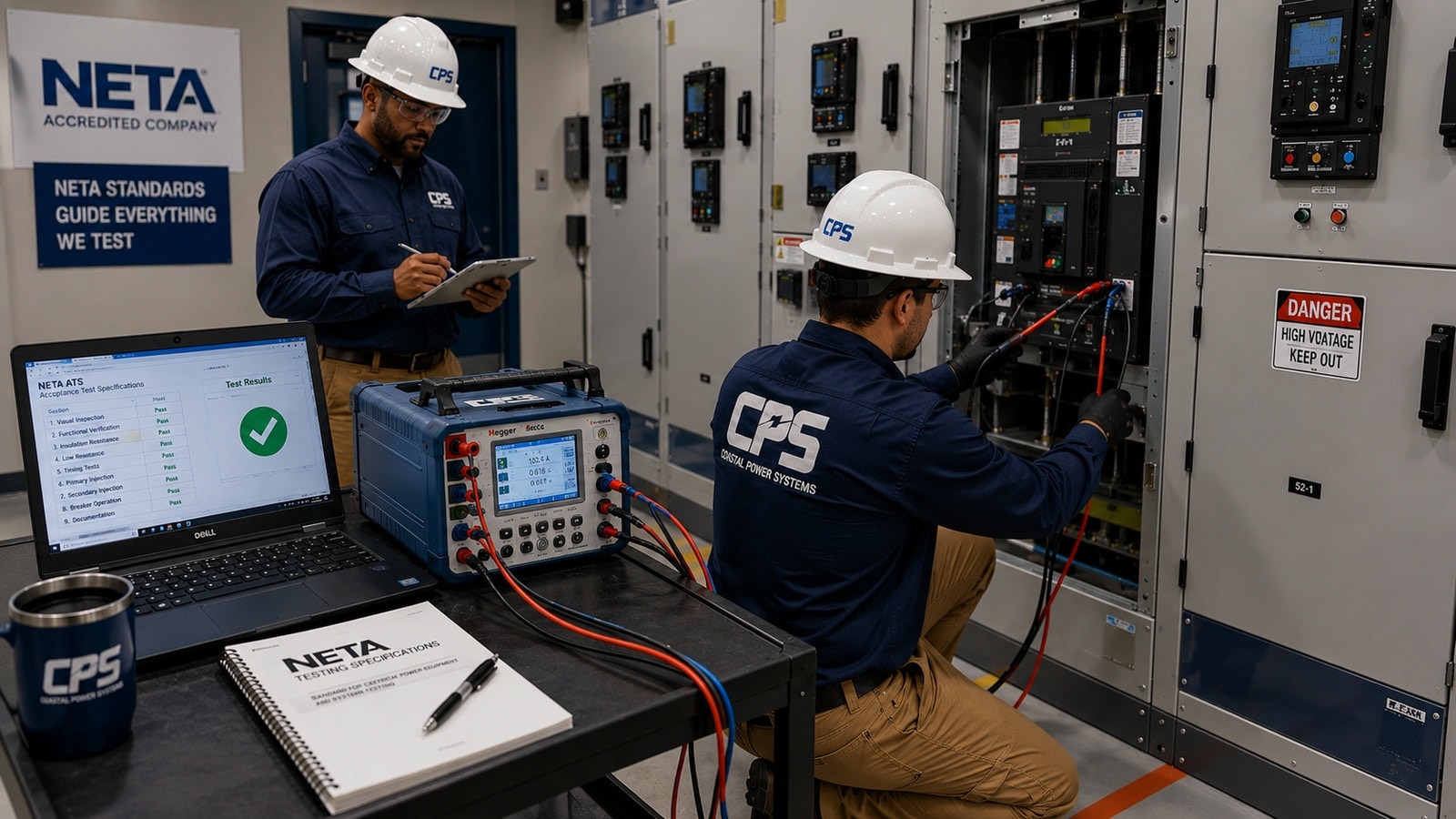
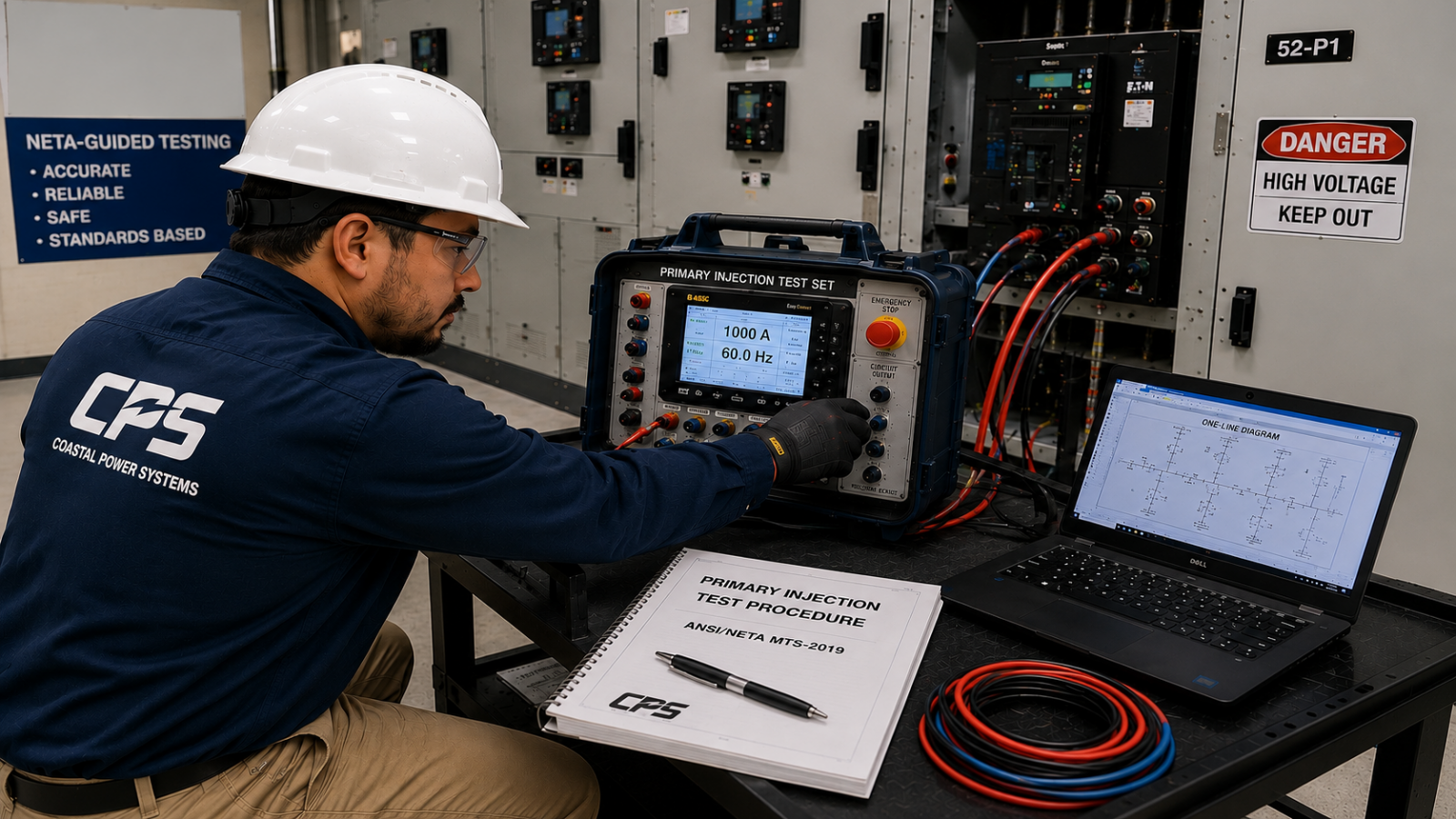
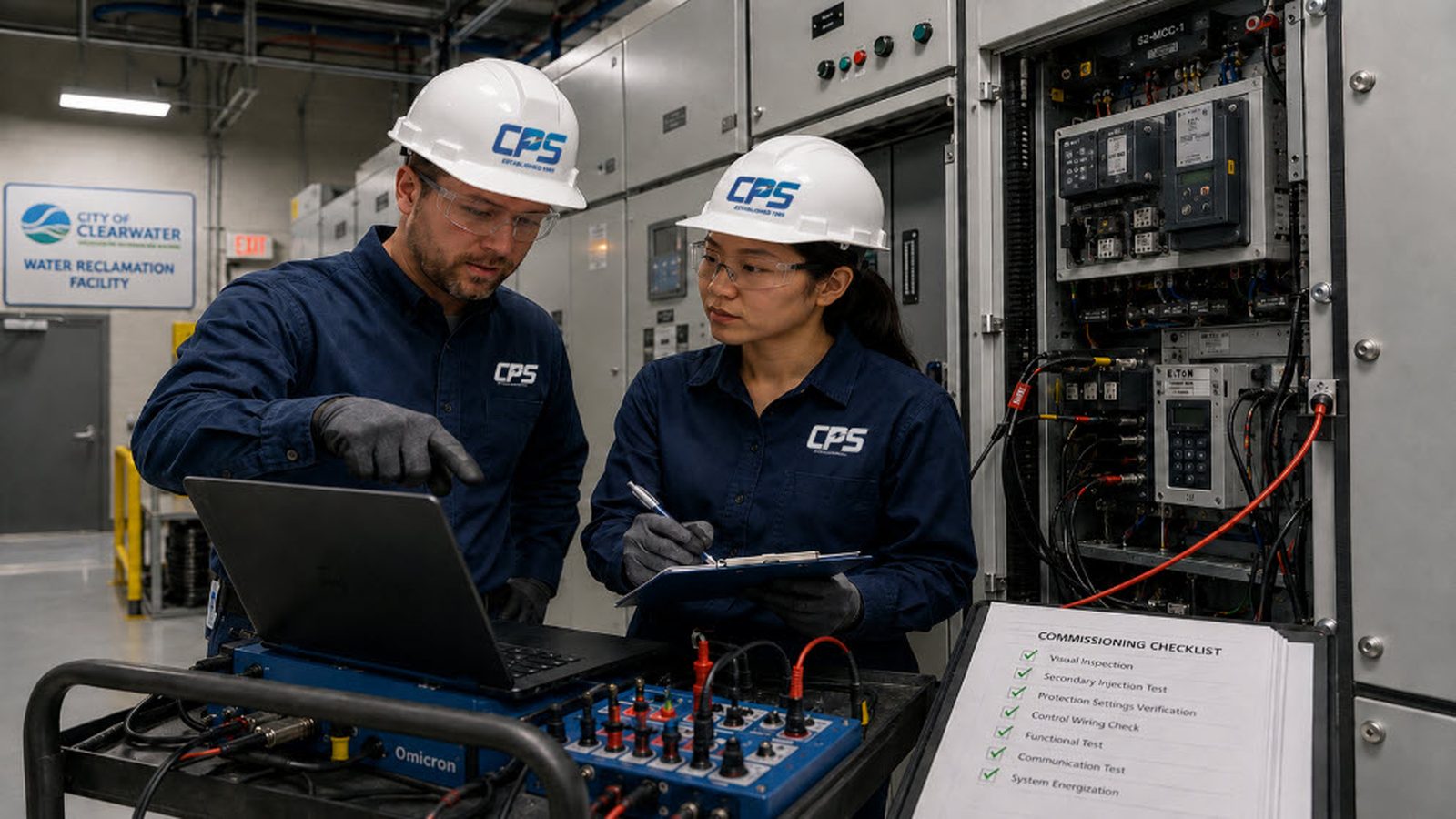
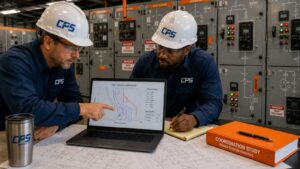
CPS can provide commissioning assistance and NETA-guided testing services to support verification of the installed equipment and its interfaces with the surrounding electrical system.
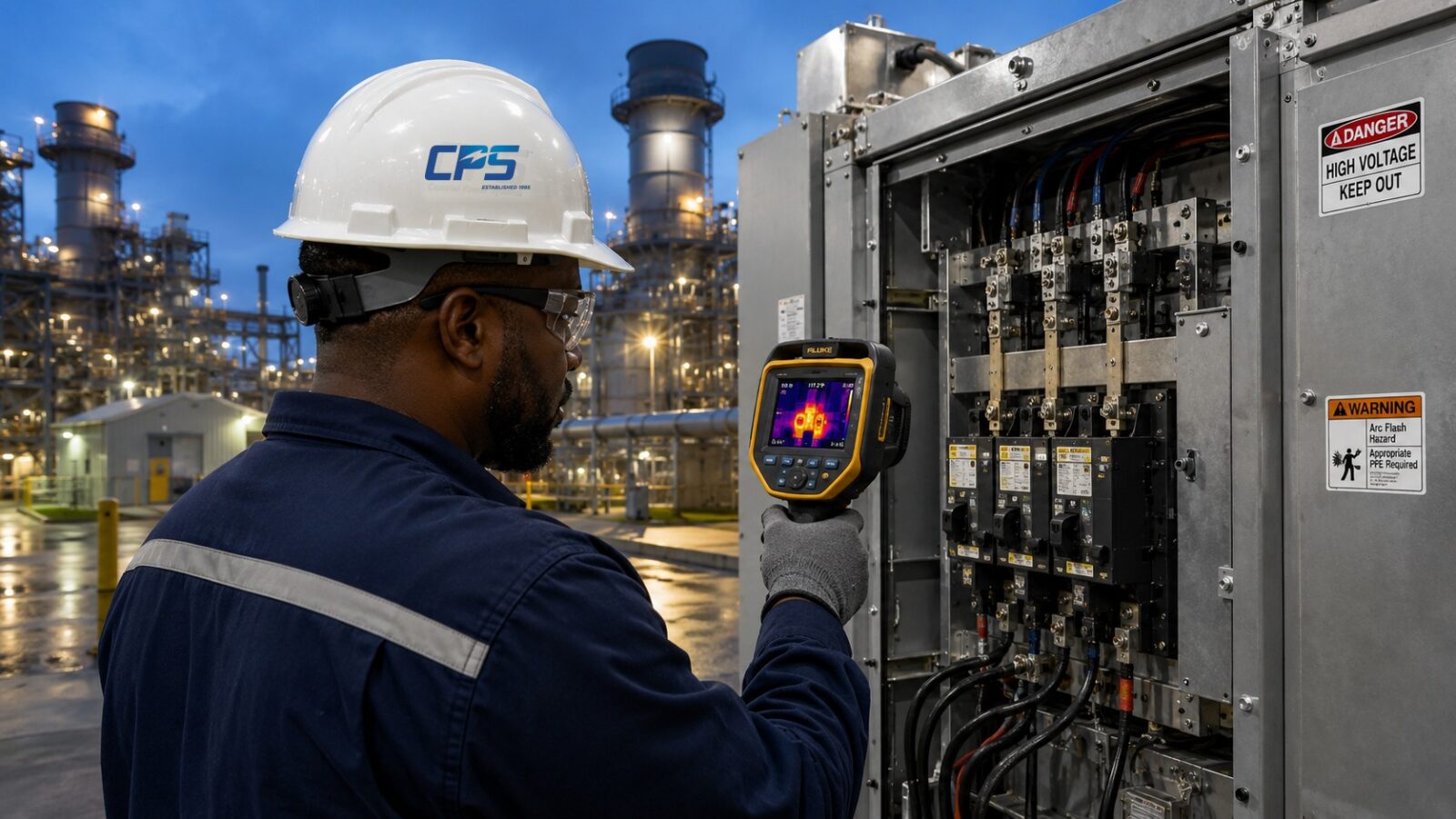
Field activities may include visual and mechanical inspection, insulation-resistance testing, breaker testing, protective-relay testing, control-system verification, point-to-point checks, functional testing, transfer-sequence testing, communications verification, and support during initial energization.
Because CPS can support both the manufactured equipment and the broader electrical system, technical issues that cross the boundary between equipment, protection, controls, installation, and system operation can be addressed more efficiently.
Lifecycle Maintenance and Modernization Support
UL 1558 switchgear may remain in service for decades, but its operating environment and electrical requirements will continue to change. Loads increase, utility systems evolve, protective devices become obsolete, communications requirements expand, and facility reliability expectations become more demanding.
CPS supports switchgear after installation through preventive maintenance, breaker testing and repair, protective-relay services, troubleshooting, emergency response, control-system upgrades, breaker retrofits, equipment modernization, and engineering studies.
This lifecycle perspective differentiates CPS from manufacturers that focus only on equipment delivery. Customers can continue working with a partner that understands how the switchgear was designed, how it interacts with the electrical system, and how it may need to evolve over time.
Applications for Custom UL 1558 Switchgear
Custom UL 1558 switchgear provides the greatest value in applications where electrical outages, equipment failures, limited maintenance access, or project delays can have significant operational or financial consequences.
Data Centers
Redundant power paths, generator integration, maintainable breaker arrangements, monitoring, selective coordination, and equipment designed to support continuous operations.
Petrochemical Facilities
Reliable power distribution, process continuity, maintenance accessibility, specialized protection, and switchgear configured around demanding industrial operations.
Utilities
Utility service entrance equipment, specialized relaying, metering, control requirements, and configurations designed around utility operating practices.
Power Generation
Generator integration, multiple-source systems, protective-relay coordination, automatic transfer, control integration, and critical auxiliary-power distribution.
Oil and Gas
Custom equipment for varying load profiles, demanding environments, remote operating conditions, limited outage windows, and specialized power requirements.
Industrial Manufacturing
Reliable switchgear that supports production continuity, equipment expansion, system modernization, preventive maintenance, and long-term facility growth.
Supporting EPC Firms and Consulting Engineers
EPC firms and consulting engineers must balance technical requirements, project cost, equipment lead times, constructability, vendor coordination, testing, documentation, and customer expectations. Switchgear can affect nearly every phase of a project, from system design and procurement through installation and final acceptance.
CPS supports EPC projects through application review, specification evaluation, equipment design, submittal development, protection and control integration, factory testing, commissioning support, and field services.
Working with a full-service UL 1558 switchgear manufacturer gives project teams one technical resource capable of addressing issues involving equipment design, system engineering, controls, testing, installation, and long-term operation.
This integrated approach can help reduce communication gaps, identify interface issues earlier, improve accountability, and simplify coordination between the factory and the field.
Supporting Independent Electrical Distributors
Independent distributors frequently encounter switchgear projects that extend beyond standard catalog equipment. Customers may require custom dimensions, unusual breaker arrangements, replacement sections, generator integration, main-tie-main configurations, utility-specific relaying, or equipment designed for existing infrastructure.
CPS provides distributors with access to custom UL 1558 switchgear manufacturing and the technical support needed to develop application-specific solutions. Engineering collaboration can help distributors respond to project questions, evaluate specifications, address customer concerns, and compete for projects that cannot be fulfilled with standard equipment.
Why Coastal Power Systems?
Coastal Power Systems is a custom UL 1558 switchgear manufacturer with the engineering, testing, commissioning, maintenance, modernization, and emergency-response capabilities required to support critical electrical infrastructure throughout its lifecycle.
CPS does not view switchgear as an isolated product. Each lineup must operate as part of a larger electrical system involving sources, transformers, generators, cables, protective devices, controls, loads, operating procedures, and maintenance practices.
By combining manufacturing expertise with system-level engineering and field experience, CPS helps customers develop switchgear solutions designed around real-world project and operational requirements.
Custom Manufacturing
UL 1558 switchgear designed around system ratings, breaker requirements, physical constraints, protection schemes, and operational objectives.
Engineering Integration
Application assistance, power-system studies, protection and control design, specification review, and equipment coordination.
EPC Project Support
Submittals, technical coordination, factory testing, documentation, commissioning assistance, and field support throughout project execution.
Brownfield Expertise
Custom equipment for limited spaces, fixed bus and conduit locations, existing infrastructure, short outages, and modernization projects.
Factory and Field Testing
Factory verification, customer-witnessed testing, NETA-guided field testing, commissioning, and functional system validation.
Lifecycle Support
Maintenance, breaker services, troubleshooting, modernization, protective-relay upgrades, engineering studies, and emergency response.
Discuss Your UL 1558 Switchgear Project
Whether you are planning a utility service entrance, replacing aging switchgear, integrating generators, expanding facility capacity, or developing a complex EPC project, CPS can help evaluate the application and manufacture equipment aligned with your technical, operational, schedule, and lifecycle requirements.
Frequently Asked Questions
Additional Resources
The following organizations publish standards, technical guidance, and industry practices related to low-voltage switchgear, electrical safety, power-system engineering, equipment testing, and electrical distribution system design.
- UL Solutions
- National Fire Protection Association
- InterNational Electrical Testing Association
- Institute of Electrical and Electronics Engineers
- National Electrical Manufacturers Association