PRIMARY INJECTION TESTING SERVICES
Primary injection testing services verify that circuit breakers, protective devices, and electrical distribution systems operate correctly under real-world fault conditions, helping improve reliability, reduce operational risk, and support safe system operation.
Primary Injection Testing Services for Verifying Protection System Performance and Electrical Reliability
Electrical protection systems are designed to perform one of the most important functions within any power distribution network: detect abnormal conditions and isolate faults before equipment damage, safety incidents, or widespread outages occur. However, protection systems cannot be assumed to operate correctly simply because equipment appears functional. Circuit breakers, trip units, protective relays, current transformers, and associated control systems must work together under actual fault conditions.
Primary injection testing services provide one of the most comprehensive methods available for verifying protection system performance. Unlike many testing methods that evaluate individual components separately, primary injection testing evaluates the complete protection path by introducing actual test current through the equipment. This process confirms that current transformers, trip units, protective relays, breaker mechanisms, wiring systems, and associated components operate together as intended.
Coastal Power Systems provides primary injection testing services for utilities, industrial facilities, power generation plants, data centers, petrochemical operations, EPC projects, and critical infrastructure applications. Whether supporting new equipment commissioning, NETA-guided acceptance testing, preventive maintenance programs, or protection system troubleshooting, primary injection testing helps verify that critical electrical protection systems will respond properly when needed most.
Our Primary Injection Testing Services
- Circuit breaker primary injection testing
- Protective relay verification
- Trip unit performance testing
- Current transformer verification
- Overcurrent protection testing
- Ground fault protection testing
- Breaker trip function verification
- Acceptance testing and commissioning support
- Maintenance testing programs
- Protection system troubleshooting
What Is Primary Injection Testing?
Primary injection testing is a method of verifying protective device operation by introducing high test current directly through the primary current path of the equipment. Because the current flows through the same conductors, current transformers, sensors, trip units, relays, and breakers used during actual operation, the test evaluates the complete protection system rather than isolated components. This approach provides a realistic assessment of how the equipment will perform during actual fault conditions.
The test current is generated using specialized primary injection test equipment capable of producing controlled high-current outputs. Engineers and technicians measure breaker trip times, verify relay operation, confirm current transformer performance, and evaluate protection system response under conditions that closely simulate real-world operation. Because the entire protection chain is evaluated, primary injection testing is often considered one of the most effective methods for validating electrical protection system performance.
Why Primary Injection Testing Matters
Many facilities rely heavily on protective devices to prevent catastrophic electrical failures. Circuit breakers, relays, and trip units operate silently in the background for years, often without being called upon to respond to significant fault events. The problem is that protection systems may appear healthy until the moment they are required to operate. A breaker that fails to trip, a relay configured incorrectly, or a current transformer wiring issue may remain hidden until a fault occurs.
Primary injection testing helps eliminate uncertainty by verifying actual system performance. Instead of assuming the protection system will operate correctly, facility owners gain measurable evidence that the equipment responds according to design requirements. This verification becomes especially important in facilities where a protection system failure could affect personnel safety, production operations, utility service continuity, or critical infrastructure reliability.
Primary Injection Testing Versus Secondary Injection Testing
One of the most common questions engineers ask is whether primary injection testing is necessary if secondary injection testing has already been performed. While both testing methods provide value, they serve different purposes and should not be viewed as interchangeable. Secondary injection testing evaluates protective relays and trip units by injecting signals directly into the relay or trip circuit. This approach verifies relay settings, logic functions, timing characteristics, and communication functions.
Primary injection testing goes further by evaluating the entire protection path. Because current is introduced through the primary conductors, the test verifies current transformers, wiring, sensors, trip units, relays, breaker mechanisms, and associated control circuits simultaneously. As a result, primary injection testing can identify problems that secondary testing alone may not detect. Many facilities use both methods because they provide complementary information about overall system performance.
What Problems Can Primary Injection Testing Identify?
Primary injection testing frequently identifies issues that would otherwise remain hidden until an actual fault event occurs. Common findings include improperly configured trip units, incorrect relay settings, current transformer wiring errors, breaker mechanical deficiencies, defective sensors, damaged wiring, and protection system calibration issues. In many cases, these conditions do not affect normal operation and therefore remain undetected during routine inspections.
The consequences of these issues can be significant. A breaker that trips too slowly may expose equipment to excessive fault energy. A relay configured incorrectly may fail to isolate a fault or may trip unnecessarily during normal operating conditions. Current transformer wiring errors can cause protection systems to receive inaccurate information, leading to unpredictable performance. Primary injection testing helps identify these risks before they affect operations.
How Primary Injection Testing Supports Reliability
Reliability depends on more than equipment condition alone. It also depends on the ability of protection systems to respond correctly during abnormal conditions. Many electrical failures become major outages not because the original fault was severe, but because the protection system failed to isolate the fault properly. When protective devices operate incorrectly, the impact of an event can expand far beyond the affected equipment.
Primary injection testing helps reduce this risk by verifying protection system performance under realistic operating conditions. Facilities gain confidence that breakers will trip when required, relays will respond correctly, and protection settings will function as intended. This confidence becomes particularly important in data centers, power generation facilities, utilities, petrochemical plants, and industrial operations where electrical reliability directly affects business performance.
The Role of Primary Injection Testing During Commissioning
Primary injection testing plays an important role during equipment commissioning and startup activities. Newly installed switchgear, switchboards, motor control centers, and distribution systems often include complex protection schemes that must be validated before energization. While factory testing verifies equipment before shipment, field installation introduces additional variables that can affect performance.
During commissioning, primary injection testing provides verification that field wiring, current transformers, breaker trip systems, protective relays, and associated controls function correctly after installation. This testing helps identify installation-related issues before the equipment enters service. For EPC contractors and facility owners, the result is a smoother startup process and a lower likelihood of protection system problems during initial operation.
When Should Facilities Perform Primary Injection Testing?
Primary injection testing is commonly performed during acceptance testing, commissioning, major maintenance activities, breaker upgrades, relay replacements, and protection system modifications. Facilities may also perform testing after significant outages, modernization projects, or major electrical system changes that affect protection schemes.
Many organizations incorporate primary injection testing into periodic maintenance programs for critical equipment. Because protection systems can drift over time due to aging, environmental conditions, or equipment modifications, periodic verification helps ensure continued performance throughout the equipment lifecycle. The appropriate testing interval depends on equipment criticality, operating conditions, maintenance history, and reliability objectives.
Industries That Benefit Most from Primary Injection Testing Services
Primary injection testing services provide value wherever electrical reliability is important. Utilities depend on protection system performance to maintain service continuity and protect electrical infrastructure. Power generation facilities rely on accurate protection operation to safeguard generators, transformers, and critical assets. Data centers require dependable protection systems to support uptime objectives and minimize operational disruptions.
Petrochemical facilities, refineries, manufacturing plants, water treatment facilities, and transportation infrastructure operators all benefit from verifying protection system performance before problems occur. Although the applications vary, the objective remains consistent: ensure that electrical protection systems operate exactly as intended when abnormal conditions arise.
Why Coastal Power Systems?
Primary injection testing services are most effective when performed within the broader context of electrical system reliability. Coastal Power Systems combines testing and commissioning services with engineering studies, relay testing, switchgear manufacturing, modernization projects, maintenance programs, and lifecycle support. This integrated approach allows testing results to be evaluated alongside overall system performance, reliability objectives, and future operational requirements.
Because Coastal supports facilities throughout the electrical asset lifecycle, primary injection testing recommendations can be incorporated into reliability initiatives, protection system improvements, modernization projects, and maintenance strategies. The result is actionable information that helps organizations improve safety, reduce operational risk, and maintain confidence in critical electrical infrastructure.
Request a Primary Injection Testing Review
Whether you are commissioning new switchgear, validating protection system upgrades, troubleshooting relay performance, or implementing a preventive maintenance program, primary injection testing services can help verify that your protection systems will perform when needed most.
Frequently Asked Questions
What is primary injection testing?
Primary injection testing verifies protective device operation by introducing actual test current through the primary current path of electrical equipment, allowing the complete protection system to be evaluated under realistic conditions.
Why is primary injection testing important?
Primary injection testing verifies that circuit breakers, relays, trip units, current transformers, and associated protection components operate together correctly during fault conditions.
What is the difference between primary and secondary injection testing?
Secondary injection testing evaluates relays and trip units directly, while primary injection testing evaluates the entire protection path by introducing current through the actual equipment conductors and current transformers.
When should primary injection testing be performed?
Primary injection testing is commonly performed during commissioning, acceptance testing, major maintenance activities, protection system upgrades, and periodic reliability programs.
Can primary injection testing improve reliability?
Yes. By verifying protection system performance before a fault occurs, primary injection testing helps reduce the risk of equipment damage, unnecessary outages, and protection system failures.
Additional Information
The following organizations publish widely recognized standards, technical guidance, and best practices related to electrical equipment testing, protection system verification, and electrical safety.
Explore Our Capabilities
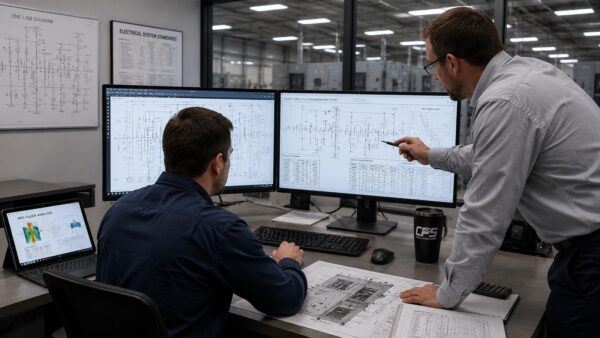
Engineering and Design Services
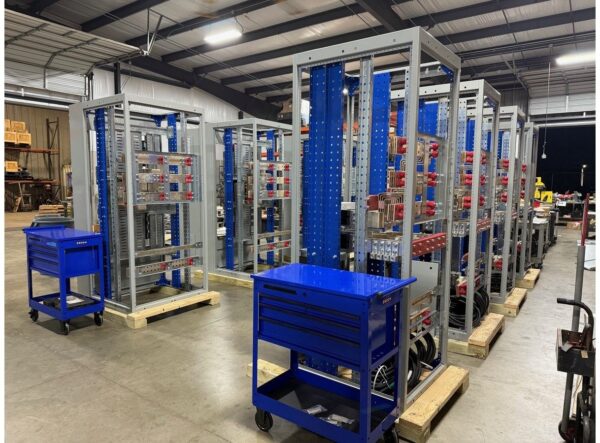
Manufacturing
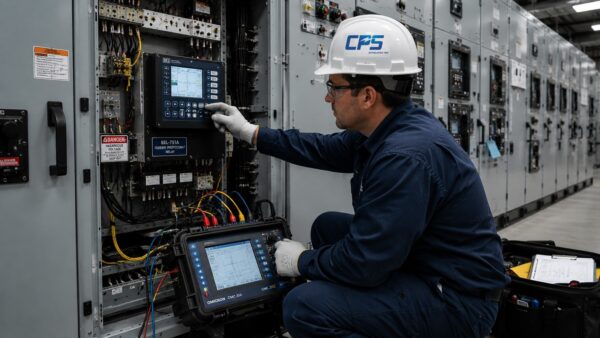
Testing & Commissioning
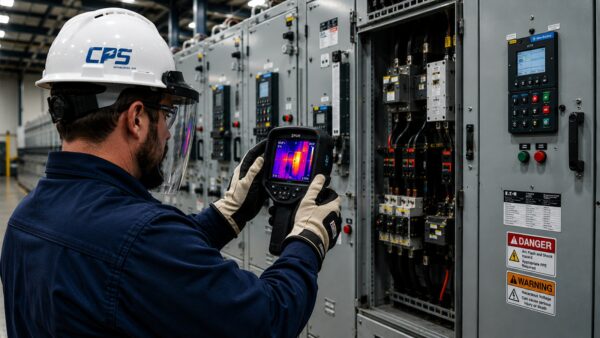
Maintenance and Reliability Services
Modernization and Life Extension
Emergency Response Services for Electrical Power Systems
Field Services for Critical Power Infrastructure
Industrial Circuit Breakers – Sales, Repairs, Retrofits & Parts
We Build What We Sell. We Support What We Build.