MODERNIZATION & LIFE EXTENSION
Switchgear modernization and life extension solutions designed to improve reliability, enhance safety, reduce operational risk, and maximize the value of existing power distribution assets.
Switchgear Modernization & Life Extension Services
Many facilities operate electrical equipment that was installed decades ago. While much of this equipment remains structurally sound, aging circuit breakers, obsolete protection systems, unsupported components, and changing operational requirements can create reliability, safety, and maintenance challenges. Facility owners are often faced with a difficult question: should the equipment be replaced, modernized, or kept in service through targeted upgrades?
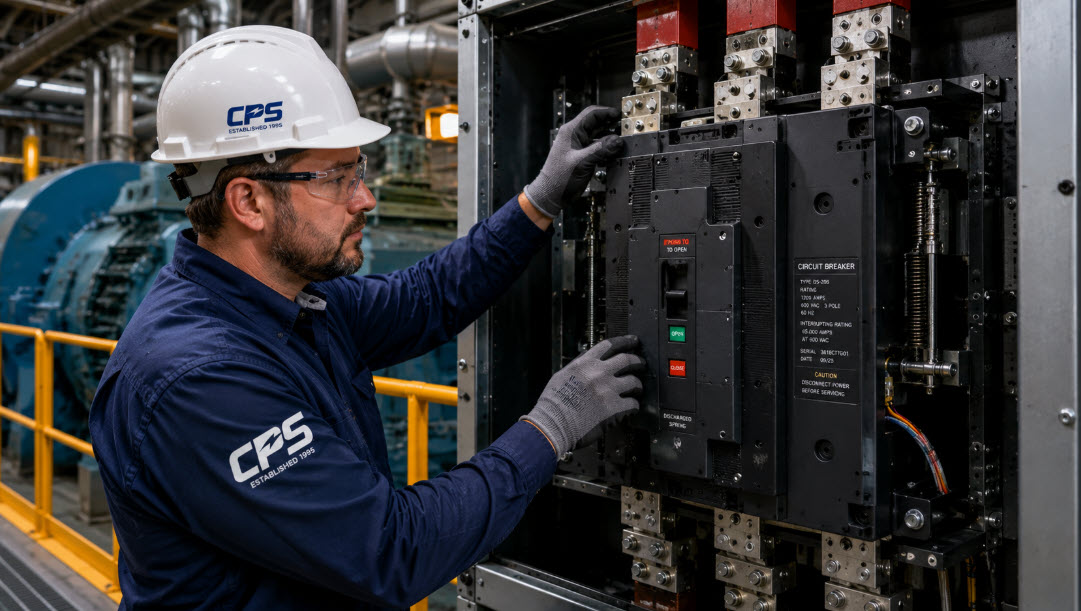
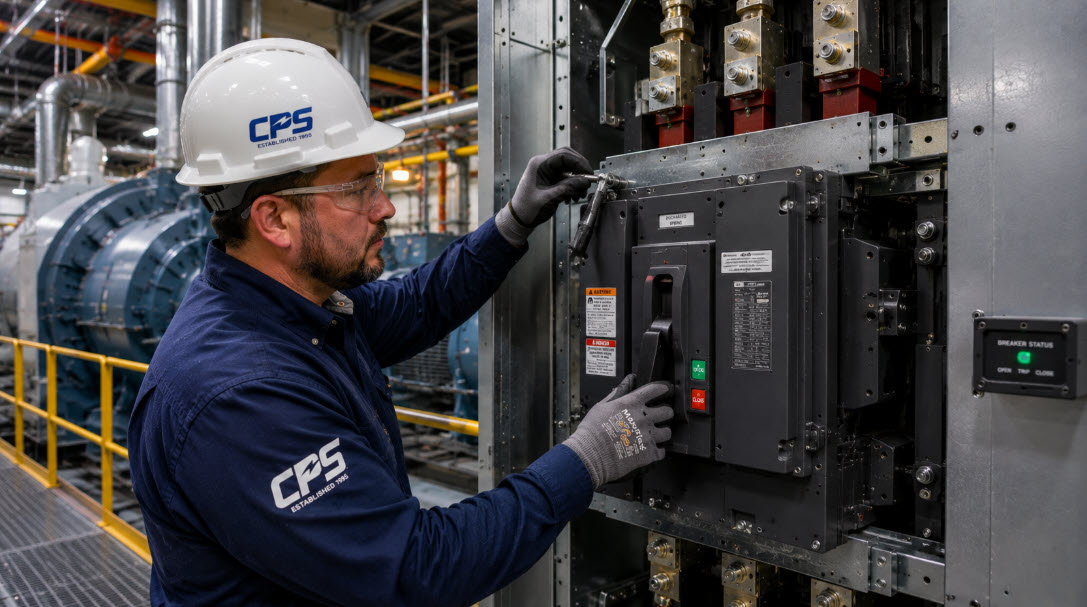
Complete replacement is not always the most practical answer. In many cases, electrical infrastructure can continue operating safely and reliably for years when supported by the right modernization strategy. Circuit breaker retrofits, retrofills, protection system upgrades, arc flash mitigation improvements, reliability enhancements, and asset life extension programs often provide substantial benefits while avoiding the cost, downtime, and disruption associated with complete equipment replacement.
Coastal Power Systems helps facility owners, utilities, data centers, power generation companies, oil and gas operators, petrochemical facilities, and industrial manufacturers evaluate modernization opportunities and develop practical solutions that align with operational objectives, reliability requirements, and capital budgets.
Our Modernization & Life Extension Services
- Circuit breaker Retrofits
- Circuit breaker Retrofills
- Switchgear Modernization
- Arc Flash Mitigation
- Reliability Upgrades
- Obsolete Equipment Programs
- Asset Life Extension
Why Switchgear Modernization Matters
Electrical equipment often outlasts the technologies originally installed within it. Switchgear structures may remain mechanically sound for decades while circuit breakers, relays, controls, communication systems, and protection technologies become obsolete. As manufacturers discontinue parts and technical support becomes more difficult to obtain, maintaining reliability becomes increasingly challenging.
Many facilities continue operating equipment long after original manufacturer support has ended. Spare parts become scarce. Maintenance costs increase. Reliability concerns grow. Safety standards evolve. At some point, facility owners must determine whether continued maintenance remains practical or whether modernization provides a better long-term solution.
Modernization allows organizations to address these concerns while preserving the value of existing infrastructure.
The Challenge of Aging Electrical Infrastructure
Aging electrical equipment creates several challenges beyond normal wear and tear. Obsolete breakers may no longer have available replacement parts. Electromechanical relays may lack modern protection capabilities. Arc flash hazards may exceed current safety objectives. Communication systems may not support modern monitoring and asset management programs.
These challenges can increase operational risk even when the equipment continues to function. Facilities may find themselves vulnerable to longer outage durations, increased maintenance costs, reduced reliability, and limited modernization options if proactive action is not taken.
A structured modernization strategy helps organizations address these issues before they become critical operational problems.
Switchgear Modernization Versus Replacement
One of the most important decisions facing facility owners is determining whether equipment should be modernized or replaced. While complete replacement is sometimes necessary, it is often not the most economical solution. Existing switchgear structures, bus systems, enclosures, and supporting infrastructure may still provide many years of useful service.
Modernization projects focus on replacing the components most likely to affect reliability, safety, and maintainability while preserving the portions of the system that remain serviceable. This approach often reduces project costs, shortens outage durations, minimizes facility disruption, and accelerates project schedules.
The key is identifying which assets remain viable and which components present the greatest operational risk.
Improving Reliability Through Modernization
Reliability improvements represent one of the primary reasons organizations pursue modernization projects. Modern circuit breakers provide enhanced performance, improved diagnostics, and greater maintainability. Digital protection systems offer faster fault detection, more accurate protection, and improved event reporting. Modern communication platforms improve system visibility and support predictive maintenance initiatives.
These upgrades help facilities reduce the likelihood of unexpected failures while improving troubleshooting capabilities and operational confidence. In many cases, modernization projects can significantly improve system performance without requiring complete infrastructure replacement.
For facilities focused on reliability, modernization often delivers one of the strongest returns on investment available.
Supporting Arc Flash Reduction Initiatives
Many modernization projects are driven by electrical safety concerns. Older electrical systems were often designed before today’s arc flash analysis methods and mitigation technologies became widely available. As facilities perform arc flash studies and evaluate workplace safety risks, opportunities for improvement frequently emerge.
Modern trip units, digital relays, maintenance switches, zone-selective interlocking schemes, differential protection systems, and other technologies can help reduce incident energy levels and improve worker safety. Modernization projects provide an opportunity to implement these solutions while improving overall system performance.
Addressing safety and reliability together often produces the greatest long-term value.
Extending Asset Life Without Compromising Performance
Many organizations assume that aging equipment automatically requires replacement. In reality, equipment age alone rarely determines whether an asset should remain in service. Condition, maintainability, reliability performance, operational requirements, and modernization opportunities are often more important factors.
Life extension programs focus on preserving valuable infrastructure while upgrading the components most likely to affect reliability. This strategy allows organizations to maximize the return on previous capital investments while avoiding unnecessary replacement costs.
When properly planned and executed, life extension programs can add many years of useful service to existing electrical assets.
Modernization for Critical Infrastructure
Utilities, power generation facilities, data centers, petrochemical operations, manufacturing plants, water treatment facilities, and transportation systems often depend on electrical infrastructure that has been operating for decades. Replacing these systems can be expensive and operationally disruptive.
Modernization programs allow these organizations to improve performance while maintaining continuity of operations. By upgrading equipment strategically, facilities can reduce risk, improve safety, and support future operational requirements without undertaking large-scale replacement projects.
This approach is particularly attractive when budgets, outage windows, or facility constraints limit replacement options.
Engineering and Planning Considerations
Successful modernization projects begin with a thorough understanding of existing equipment condition, operational requirements, protection systems, and long-term facility objectives. Engineering studies, equipment assessments, reliability evaluations, and maintenance history reviews help identify the most effective modernization opportunities.
Not every asset requires modernization. Not every modernization project requires replacement. Understanding the available options allows facility owners to make decisions based on risk, reliability, lifecycle cost, and operational value.
CPS helps customers evaluate these factors and develop modernization strategies tailored to their specific objectives.
Why Coastal Power Systems?
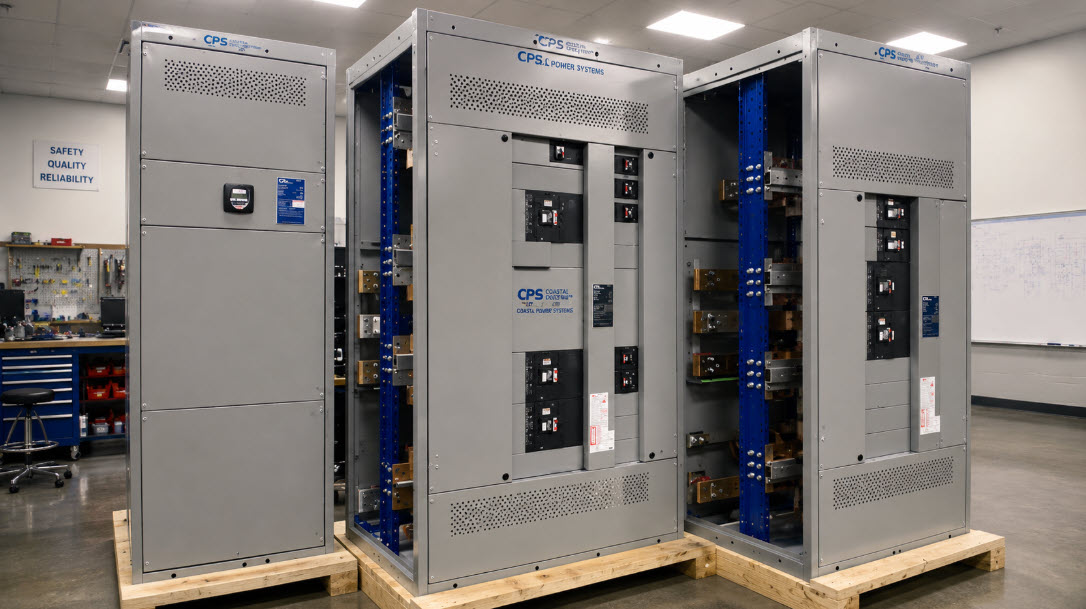
Coastal Power Systems combines manufacturing, engineering, testing, commissioning, maintenance, modernization, and emergency response capabilities to support the entire lifecycle of critical electrical infrastructure. This integrated approach allows customers to work with a single partner from initial design and equipment selection through testing, maintenance, modernization, and long-term asset management.
CPS understands that modernization decisions must be evaluated in the context of equipment condition, system reliability, maintenance limitations, safety objectives, outage constraints, and long-term asset value. By combining engineering knowledge with practical field experience, CPS helps customers identify modernization opportunities that improve performance without unnecessary replacement.
Whether supporting aging switchgear, obsolete breakers, relay upgrades, arc flash mitigation, or asset life extension planning, CPS provides modernization services focused on reducing risk and improving long-term electrical system reliability.
Custom Power Distribution Manufacturing
Manufacturing experience helps CPS evaluate existing equipment, replacement options, retrofit opportunities, and long-term support requirements.
Critical Infrastructure Expertise
Modernization and life extension services for data centers, utilities, power generation, industrial facilities, and mission-critical electrical systems.
Engineering, Testing & Commissioning Support
Integrated engineering, field testing, commissioning, troubleshooting, and startup support for modernization and equipment upgrade projects.
Protection & Control System Integration
Support for relay upgrades, control system improvements, trip unit modernization, protection coordination, and arc flash mitigation strategies.
Reliability & Lifecycle Management Focus
Modernization recommendations that help improve uptime, reduce operational risk, extend equipment life, and support long-term asset planning.
Modernization & Equipment Life Extension Solutions
Support for breaker retrofits, retrofills, switchgear modernization, obsolete equipment programs, and asset life extension strategies.
24/7 Emergency Response & Field Services
Rapid field response, troubleshooting, emergency repairs, replacement support, and restoration services when aging equipment creates urgent reliability issues.
Explore Our Modernization & Life Extension Services
Whether you are evaluating aging switchgear, planning a breaker replacement program, reducing arc flash exposure, or developing a long-term asset management strategy, CPS can help identify modernization opportunities that improve reliability and maximize asset value. Contact Us to discuss your modernization objectives and learn how strategic upgrades can improve reliability, reduce risk, and extend the life of your electrical infrastructure.
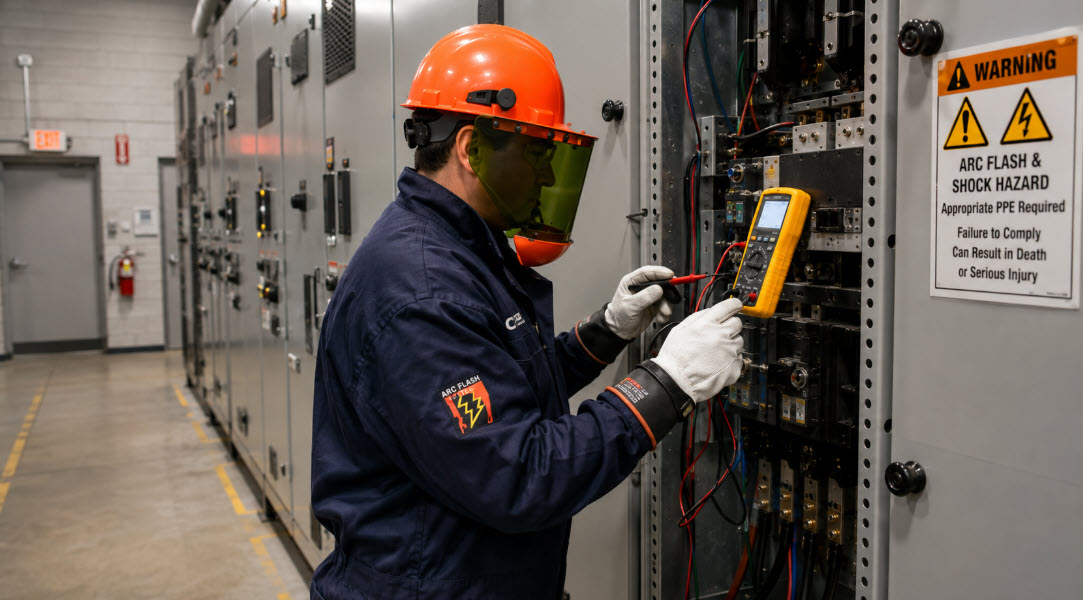
Frequently Asked Questions
When should switchgear be modernized instead of replaced?
What is a circuit breaker retrofit?
What is a circuit breaker retrofill?
How can arc flash hazards be reduced in existing equipment?
How can aging electrical equipment be kept in service longer?
When does equipment become obsolete?
Can modernization improve reliability?
Additional Resources
The following organizations publish widely recognized standards, technical guidance, and industry best practices related to low-voltage power distribution equipment, switchboards, electrical safety, testing, engineering, and equipment design.
- UL Solutions
- National Fire Protection Association (NFPA)
- InterNational Electrical Testing Association (NETA)
- Institute of Electrical and Electronics Engineers (IEEE)
- National Electrical Manufacturers Association (NEMA)
Explore Our Capabilities
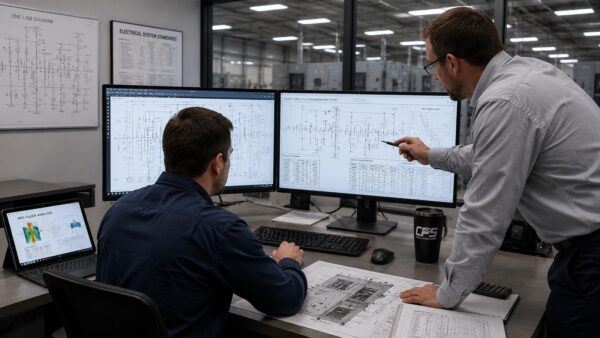
Engineering and Design Services
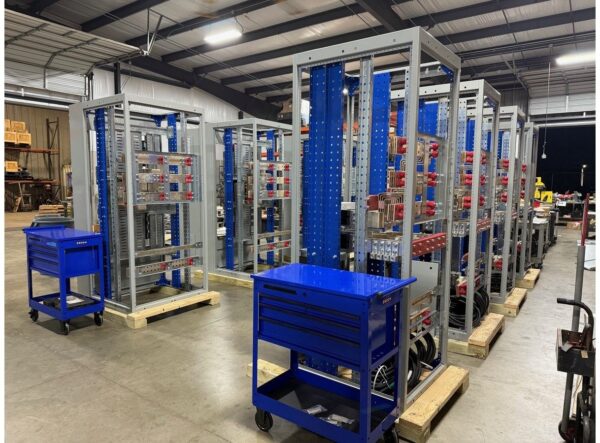
Manufacturing
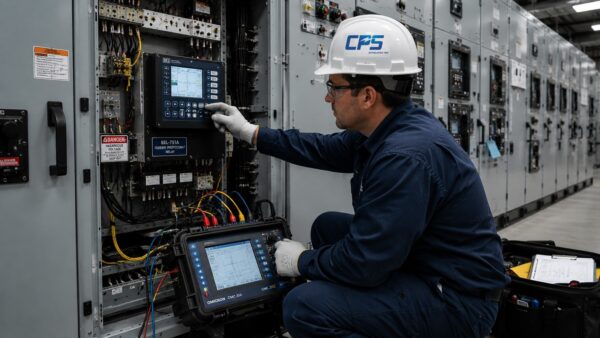
Testing & Commissioning
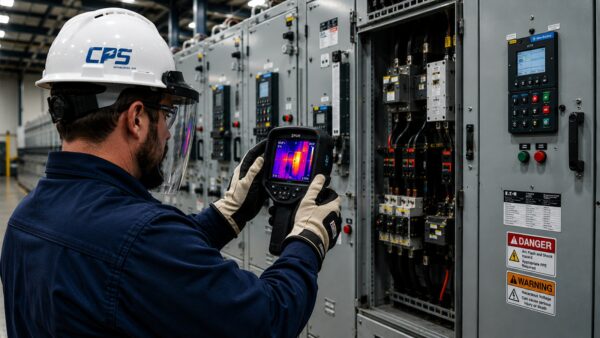
Maintenance and Reliability Services
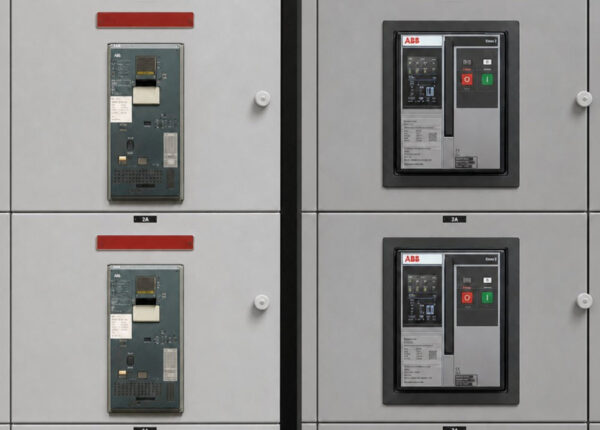
Modernization and Life Extension
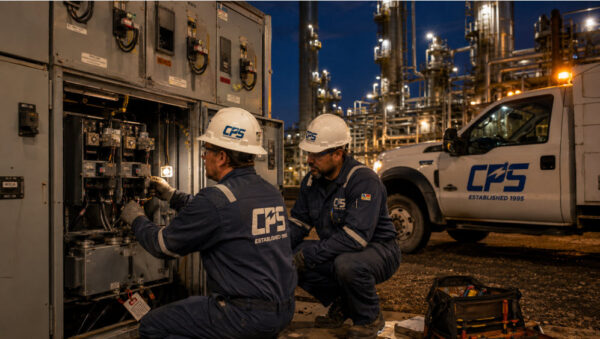
Emergency Response Services for Electrical Power Systems
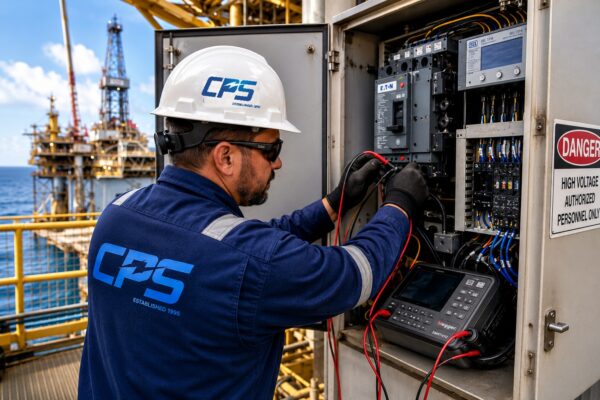
Field Services for Critical Power Infrastructure
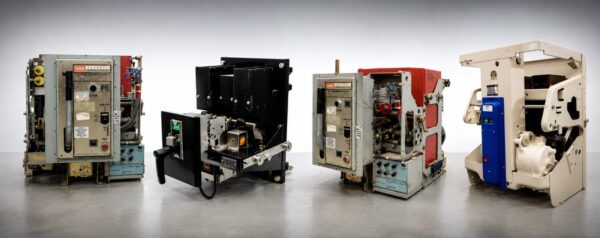
Industrial Circuit Breakers – Sales, Repairs, Retrofits & Parts
We Build What We Sell. We Support What We Build.