ARC FLASH MITIGATION SERVICES
Arc flash mitigation services help facility owners reduce incident energy levels, improve worker safety, modernize protection systems, and lower the operational risks associated with electrical maintenance and troubleshooting activities.
Arc Flash Mitigation Services for Improved Electrical Safety, Reduced Risk, and Enhanced System Protection
Most electrical systems were not originally designed with today’s arc flash awareness, protection technologies, and safety expectations in mind. Many facilities continue operating switchgear, switchboards, motor control centers, and distribution systems that were installed decades before arc flash studies became common practice. While these systems may continue operating reliably, they often expose maintenance personnel to higher levels of incident energy than would be acceptable under current standards and best practices.
Identifying an arc flash hazard is only the first step. Many facilities complete an arc flash study and discover that portions of their electrical system produce dangerous incident energy levels. The challenge then becomes determining how to reduce that risk without compromising reliability or replacing large portions of the electrical infrastructure. This is where arc flash mitigation becomes critical.
Arc flash mitigation services focus on reducing the severity of electrical fault events through engineering analysis, protection system improvements, equipment modernization, and operational changes. Coastal Power Systems helps industrial facilities, utilities, data centers, power generation companies, petrochemical operations, municipalities, and critical infrastructure owners develop practical strategies for reducing arc flash risk while maintaining system reliability and operational performance.
Our Arc Flash Mitigation Services
- Arc flash hazard analysis
- Arc flash mitigation studies
- Protective relay upgrades
- Circuit breaker modernization
- Maintenance switch installation
- Zone selective interlocking implementation
- Differential protection solutions
- Circuit breaker retrofits and retrofills
- Protection coordination updates
- Electrical system modernization planning
What Are Arc Flash Mitigation Services?
Arc flash mitigation services involve identifying, evaluating, and reducing the potential hazards associated with arc flash events within an electrical distribution system. While an arc flash study calculates incident energy levels and identifies potential hazards, mitigation focuses on reducing those hazards through engineering and operational improvements.
Mitigation strategies may include modifying protection settings, upgrading relays, modernizing breakers, implementing faster fault-clearing technologies, improving system coordination, or installing equipment designed specifically to reduce incident energy exposure. The objective is not simply regulatory compliance. The objective is reducing the risk to personnel while maintaining reliable system operation.
Effective arc flash mitigation balances safety, reliability, maintainability, and operational requirements rather than focusing exclusively on any one factor.
Understanding the Arc Flash Problem
An arc flash occurs when electrical current leaves its intended path and travels through the air between conductors or from a conductor to ground. The resulting energy release can generate extreme temperatures, intense pressure waves, molten metal, and dangerous levels of radiant heat. Even relatively brief arc flash events can cause severe injuries, equipment damage, and prolonged outages.
One of the challenges associated with arc flash hazards is that the risk is often invisible during normal operation. Electrical equipment may appear to function properly for years while still presenting significant incident energy exposure during maintenance activities or fault conditions. Because the hazard is not immediately obvious, many organizations underestimate the level of risk present within their electrical systems.
Arc flash mitigation services help identify where these risks exist and determine the most practical methods for reducing them.
Why Arc Flash Studies Alone Are Not Enough
Many organizations complete arc flash studies because standards, insurance requirements, or internal safety programs require them. While these studies provide valuable information, they do not reduce risk by themselves. An arc flash label showing high incident energy levels does not make the equipment safer. It simply identifies the hazard.
The real value comes from using the study results to guide mitigation efforts. Once high-risk locations have been identified, engineers can evaluate protection schemes, equipment condition, breaker technologies, relay settings, and modernization opportunities to determine how incident energy levels can be reduced.
This is why arc flash mitigation should be viewed as the next step after completing an arc flash study rather than as a separate initiative.
How Arc Flash Mitigation Improves Safety
The primary objective of arc flash mitigation is reducing worker exposure to dangerous levels of incident energy. Faster fault clearing times represent one of the most effective methods for achieving this goal. Because incident energy is directly related to fault duration, reducing the time required to clear a fault can significantly lower exposure levels.
Modern protection technologies often allow facilities to clear faults much faster than older systems. Advanced relays, maintenance modes, zone selective interlocking, differential protection, and modern trip units can all contribute to improved protection performance. These technologies help reduce the amount of energy released during a fault event and therefore reduce potential injury severity.
In many cases, significant safety improvements can be achieved without replacing entire switchgear lineups.
Arc Flash Mitigation Through Circuit Breaker Modernization
Many arc flash mitigation projects involve modernizing aging breakers and protection systems. Older breakers often lack the advanced protection capabilities available in current technologies. While the equipment may still operate, protection performance may not support modern safety objectives.
Circuit breaker retrofits and retrofills frequently provide opportunities to incorporate modern trip units, maintenance switches, communication functions, and advanced protection features. These upgrades can improve fault-clearing performance while also addressing reliability and obsolescence concerns.
For facilities operating aging switchgear, breaker modernization often delivers both safety and operational benefits within the same project.
The Role of Protection Coordination in Arc Flash Mitigation
Protection coordination plays a critical role in arc flash mitigation because protection settings directly affect fault-clearing times. In many systems, coordination studies were developed years ago under operating conditions that have since changed. Equipment upgrades, utility changes, load growth, and system modifications may affect how protection devices operate.
Arc flash mitigation services often include reviewing existing coordination strategies to identify opportunities for reducing incident energy while maintaining selective coordination. The goal is to achieve the fastest practical fault clearing without creating nuisance trips or compromising reliability.
This balance requires careful engineering analysis because improving safety should not come at the expense of system performance.
Arc Flash Mitigation for Aging Electrical Infrastructure
Many facilities discover that their highest incident energy levels occur in older electrical equipment. Aging relays, obsolete breakers, and legacy protection systems often lack the capabilities needed to support modern arc flash reduction strategies. At the same time, replacing entire switchgear lineups may not be financially practical.
Arc flash mitigation services help bridge this gap by identifying targeted modernization opportunities. Instead of replacing everything, facilities can focus on the components that have the greatest impact on incident energy reduction. This may include relay upgrades, breaker retrofits, retrofills, protection system modifications, or selective equipment replacement.
The result is often a more cost-effective path toward improved safety and reliability while extending the useful life of existing electrical infrastructure.
Arc Flash Mitigation for Critical Facilities
Data centers, utilities, power generation facilities, petrochemical plants, manufacturing operations, and municipal infrastructure often face unique arc flash challenges. These facilities require high levels of electrical reliability while also maintaining safe working conditions. Any mitigation strategy must therefore consider both safety and operational continuity.
Coastal Power Systems helps facility owners evaluate mitigation options that align with reliability requirements, maintenance practices, outage constraints, and long-term modernization plans. In many cases, the most successful solutions improve both protection performance and equipment reliability simultaneously.
This integrated approach is particularly important in critical facilities where electrical outages can carry significant operational consequences.
Arc Flash Mitigation as Part of Asset Management
Arc flash mitigation should not be viewed as a one-time safety project. Instead, it should be integrated into broader asset management and modernization strategies. As equipment ages, protection systems evolve, and operational requirements change, opportunities for improving safety and reliability often emerge.
Facilities that incorporate arc flash mitigation into their lifecycle planning frequently achieve better long-term results than those that address safety concerns independently. Modernization projects, breaker upgrades, relay replacements, equipment refurbishment, and engineering studies can all contribute to safer electrical systems when planned strategically.
This approach allows organizations to improve safety while maximizing the value of their electrical infrastructure investments.
Why Coastal Power Systems?
Arc flash mitigation services require expertise in electrical engineering, protection coordination, relay testing, breaker technologies, modernization strategies, and system reliability. Coastal Power Systems combines these capabilities through engineering studies, arc flash studies, protective relay testing, breaker retrofits, retrofills, switchgear modernization, commissioning services, and lifecycle support programs.
Rather than treating arc flash mitigation as a standalone safety exercise, Coastal evaluates mitigation opportunities within the context of overall system performance, reliability goals, maintenance requirements, and asset management objectives. This allows facility owners to pursue improvements that support both safety and long-term operational success.
Because Coastal works across the full electrical asset lifecycle, mitigation strategies can be aligned with broader modernization and reliability initiatives.
Request an Arc Flash Mitigation Evaluation
Whether you are addressing high incident energy levels, planning a modernization project, updating protection systems, or looking for practical ways to improve electrical safety, Coastal Power Systems can help develop an arc flash mitigation strategy that supports both worker safety and long-term system reliability.
Frequently Asked Questions
What are arc flash mitigation services?
Arc flash mitigation services focus on reducing incident energy levels through engineering analysis, protection system improvements, equipment modernization, and operational changes that improve worker safety.
How is arc flash mitigation different from an arc flash study?
An arc flash study identifies hazards and calculates incident energy levels. Arc flash mitigation implements engineering solutions that reduce those hazards and lower incident energy exposure.
Can arc flash mitigation improve electrical system reliability?
Yes. Many mitigation projects include upgraded relays, breakers, protection systems, and coordination improvements that enhance both safety and electrical system reliability.
Do facilities need to replace switchgear to reduce arc flash hazards?
Not necessarily. Many facilities achieve significant incident energy reductions through relay upgrades, circuit breaker retrofits, retrofills, protection coordination updates, and targeted modernization projects.
When should facilities consider arc flash mitigation?
Facilities should consider mitigation after completing an arc flash study, during modernization projects, when upgrading protection systems, or whenever improving electrical safety becomes a priority.
Additional Information
The following organizations publish widely recognized standards, technical guidance, and best practices related to arc flash safety, electrical protection systems, and power system engineering.
Explore Our Capabilities
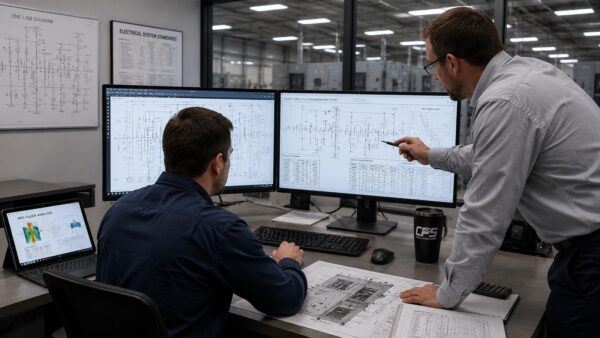
Engineering and Design Services
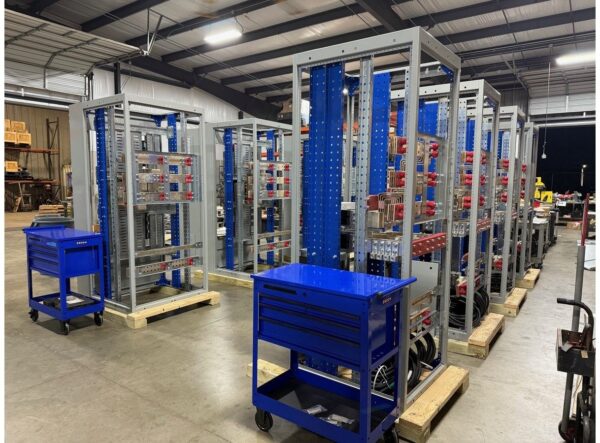
Manufacturing
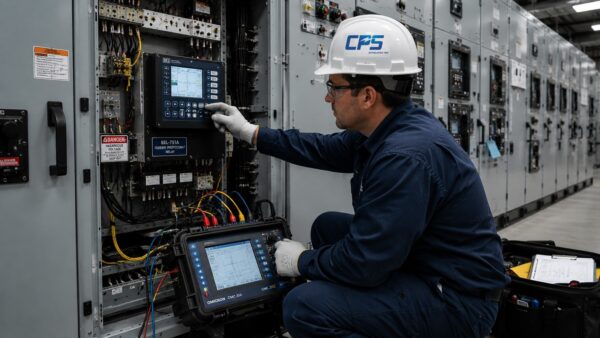
Testing & Commissioning
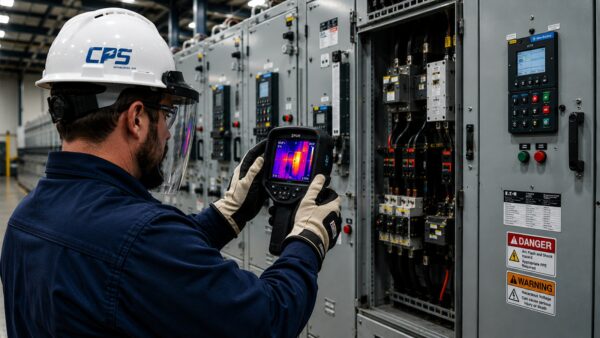
Maintenance and Reliability Services
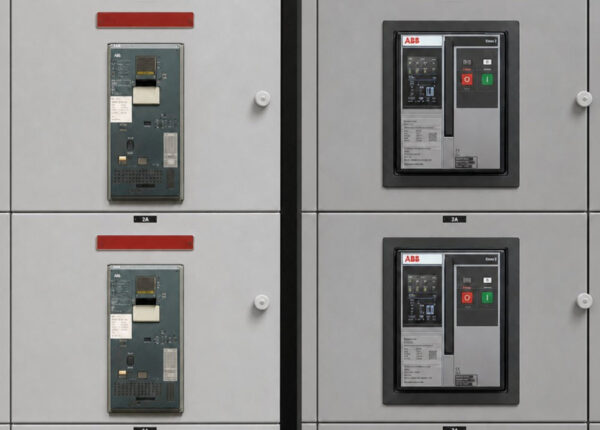
Modernization and Life Extension

Emergency Response Services for Electrical Power Systems
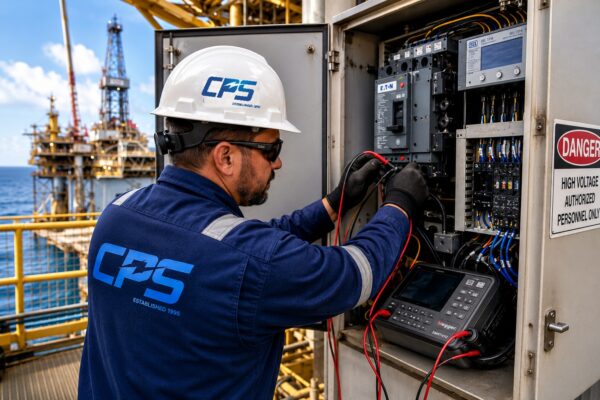
Field Services for Critical Power Infrastructure
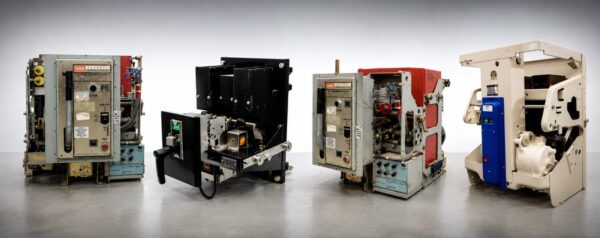
Industrial Circuit Breakers – Sales, Repairs, Retrofits & Parts
We Build What We Sell. We Support What We Build.