EMERGENCY RESPONSE
Emergency electrical services designed to restore critical operations, reduce downtime, assess equipment damage, and help facilities recover quickly from outages, equipment failures, and power system emergencies.
Electrical Emergency Response Services
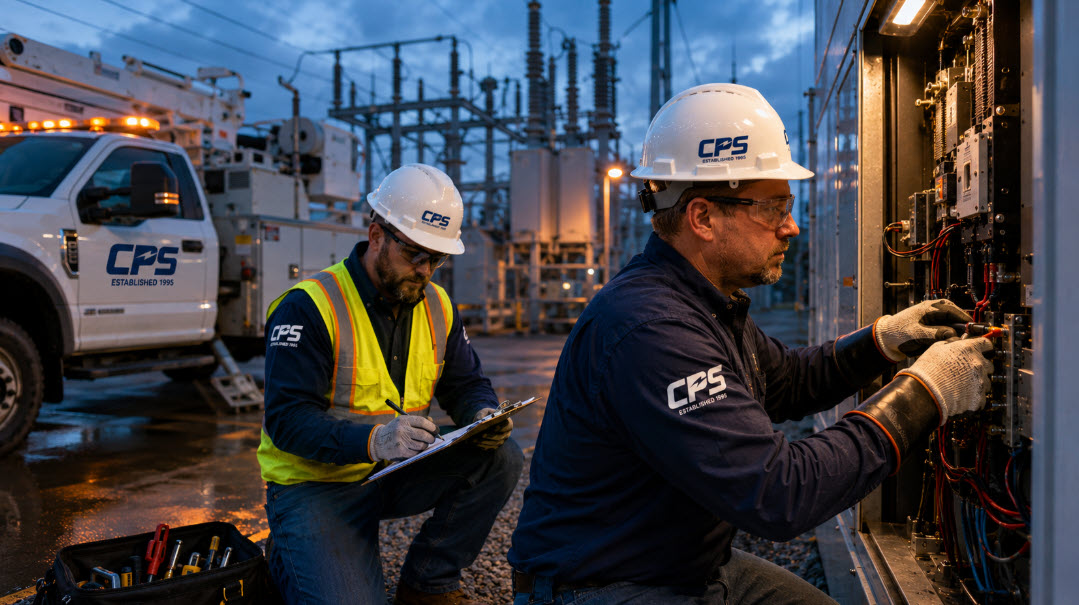
Electrical failures rarely occur at convenient times. A breaker fails during a weekend shutdown. A switchgear fault interrupts production in the middle of the night. A transformer problem takes critical equipment offline during peak operations. A utility disturbance damages electrical infrastructure. An arc flash event leaves facility personnel searching for answers while operations remain down. When these situations occur, every hour matters.
For many organizations, electrical downtime creates consequences that extend far beyond the electrical system itself. Production losses, missed customer commitments, regulatory concerns, safety risks, environmental impacts, and emergency repair costs can escalate rapidly. The pressure to restore operations quickly is often intense. However, restoring power without understanding the root cause of the failure can create additional problems and increase the likelihood of future outages.
Coastal Power Systems provides emergency response services for industrial facilities, utilities, data centers, power generation facilities, oil and gas operations, petrochemical plants, municipalities, and critical infrastructure operators. By combining engineering expertise, field services, testing capabilities, equipment manufacturing, modernization solutions, and lifecycle support, CPS helps customers recover from electrical emergencies while reducing future operational risk.
Our Emergency Response Services
- 24×7 Emergency Support
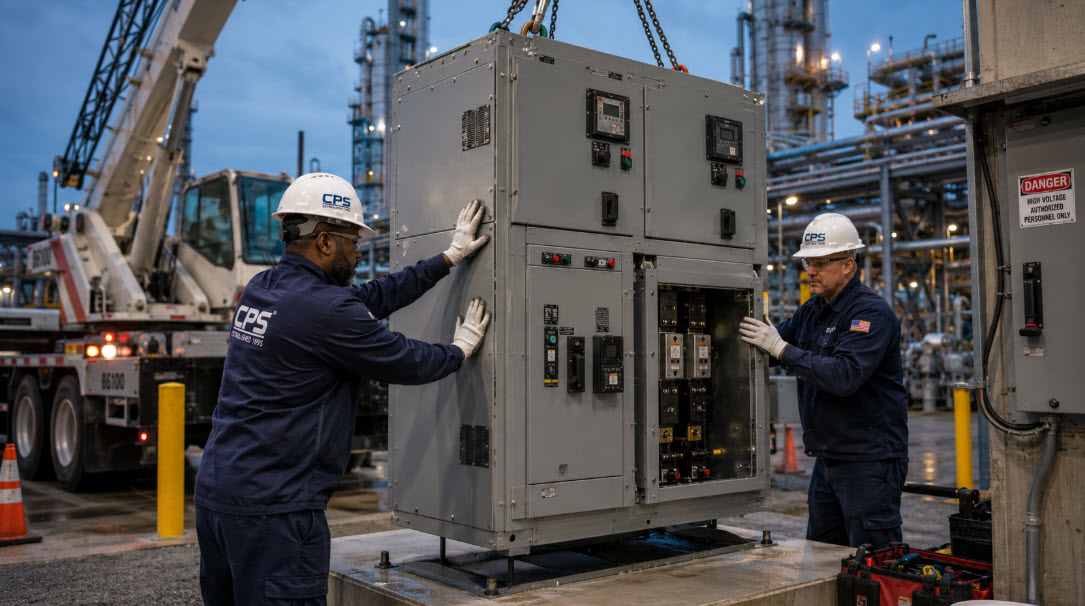
- Emergency Equipment Replacement
- Outage Response
- Temporary Power Solutions
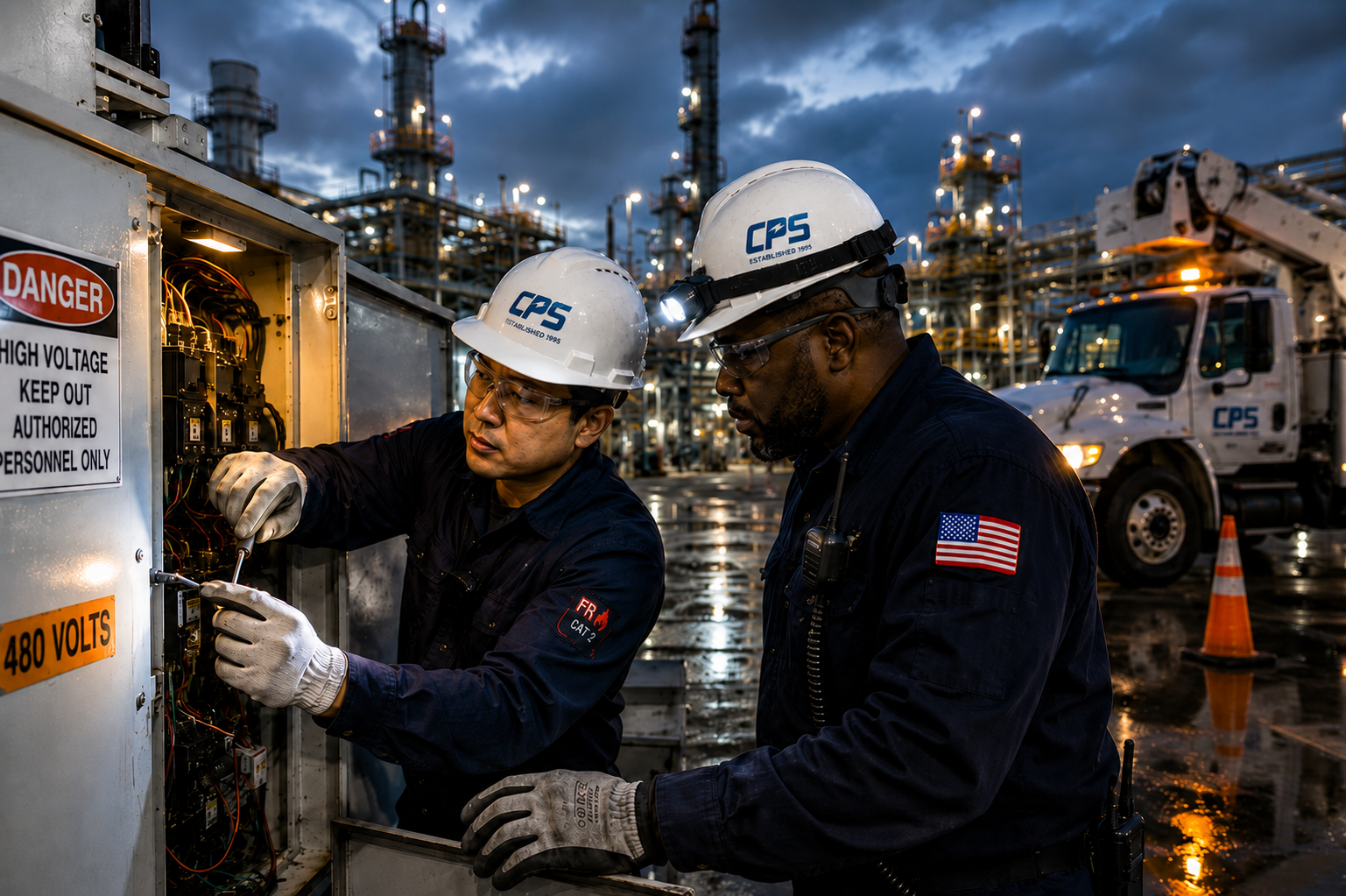
- Emergency Troubleshooting
- Critical Infrastructure Recovery
Why Emergency Response Matters
Most electrical systems are designed with reliability in mind. Preventative maintenance programs, engineering studies, testing activities, and modernization projects all help reduce the likelihood of failures. However, no system is immune to unexpected events. Equipment failures, utility disturbances, severe weather, aging infrastructure, human error, and unforeseen operating conditions can still result in outages and equipment damage.
When failures occur, organizations need more than technical expertise. They need a structured response process that balances urgency with sound engineering judgment. Immediate actions must focus on personnel safety, equipment condition assessment, root cause identification, and operational recovery.
The quality of the response often determines how quickly a facility recovers and how effectively future problems are prevented.
The Cost of Delayed Recovery
Electrical outages can affect every aspect of an operation. Manufacturing facilities may lose production capacity. Data centers may face service interruptions. Utilities may experience customer outages. Power generation facilities may lose revenue-producing capacity. Petrochemical operations may require lengthy and expensive restart procedures.
As downtime increases, costs often grow exponentially. Emergency labor, temporary power, expedited shipping, replacement equipment, contractor mobilization, and lost production can quickly exceed the cost of the original equipment failure.
Rapid access to experienced technical support helps facilities make better decisions during critical situations while reducing overall recovery time.
Responding to Electrical Emergencies Safely
One of the most common mistakes during an electrical emergency is focusing exclusively on restoring power. While operational recovery is important, safety must remain the highest priority. Damaged switchgear, failed breakers, arc flash incidents, and faulted equipment can create hidden hazards that are not immediately visible.
Before attempting to re-energize equipment, facilities should evaluate the condition of the affected infrastructure, determine the cause of the failure, and verify that equipment can be operated safely. Failure to perform these evaluations can lead to additional equipment damage, repeat outages, or serious safety incidents.
CPS helps organizations assess these situations and develop recovery strategies based on sound engineering principles rather than assumptions.
Emergency Response Services for Critical Infrastructure
Critical facilities often face the greatest challenges during electrical emergencies because downtime carries substantial operational consequences. Data centers require continuous electrical availability to support customer operations. Utilities must restore service quickly to maintain customer confidence and system stability. Power generation facilities depend on electrical infrastructure to support revenue-generating assets.
Manufacturing plants, petrochemical facilities, transportation systems, municipalities, and water treatment facilities face similar pressures. In these environments, electrical failures can affect public services, production schedules, environmental compliance, and worker safety.
CPS supports these facilities by helping restore operations while maintaining a focus on reliability, safety, and long-term system performance.
Temporary Power and Operational Continuity
In many situations, permanent repairs cannot be completed immediately. Replacement equipment may require manufacturing lead times. Damage assessments may take time. Engineering evaluations may be necessary before repairs can begin. During these periods, facilities often need temporary solutions that allow critical operations to continue.
Temporary power strategies can help organizations maintain essential functions while long-term recovery plans are developed and implemented. Effective planning requires an understanding of facility loads, operational priorities, safety considerations, and available infrastructure.
Temporary power solutions often play a critical role in reducing the overall impact of major electrical failures.
Emergency Response and Long-Term Reliability
Every electrical failure creates an opportunity to improve reliability. While the immediate focus is restoring operations, long-term success depends on understanding why the failure occurred. Equipment assessments, testing activities, engineering studies, maintenance reviews, and root cause investigations often reveal opportunities for improvement.
In some cases, corrective actions may involve maintenance program enhancements. In others, modernization projects, equipment upgrades, relay improvements, arc flash mitigation measures, or asset management initiatives may be recommended. These efforts help reduce the likelihood of future failures while improving overall system performance.
The most effective emergency response programs focus on both recovery and prevention.
Supporting Facilities Through the Entire Recovery Process
Emergency response extends beyond troubleshooting and repairs. Facilities often require engineering support, equipment replacement planning, testing services, commissioning activities, modernization recommendations, and long-term reliability strategies. Coordinating these activities through multiple vendors can complicate recovery efforts and extend project timelines.
CPS combines engineering, testing, commissioning, manufacturing, maintenance, modernization, and emergency response capabilities within a single organization. This integrated approach helps streamline recovery efforts while ensuring that long-term reliability considerations remain part of the decision-making process.
The result is a more efficient path from initial failure through full operational recovery.
Why Coastal Power Systems?
Coastal Power Systems combines manufacturing, engineering, testing, commissioning, maintenance, modernization, and emergency response capabilities to support the entire lifecycle of critical electrical infrastructure. This integrated approach allows customers to work with a single partner from initial design and equipment selection through testing, maintenance, modernization, emergency recovery, and long-term asset management.
CPS understands that emergency response decisions must be made quickly, but they still require sound technical judgment. By combining engineering knowledge with field service experience, CPS helps customers assess equipment condition, identify likely failure causes, restore operations safely, and reduce the risk of repeat outages.
Whether supporting an unexpected outage, equipment failure, switchgear emergency, temporary power need, or critical infrastructure recovery effort, CPS provides emergency response services focused on reducing downtime and improving long-term power system reliability.
Custom Power Distribution Manufacturing
Manufacturing capabilities support emergency equipment replacement, custom solutions, and practical recovery options when standard equipment is not readily available.
Critical Infrastructure Expertise
Emergency response support for data centers, utilities, power generation, industrial facilities, and other mission-critical electrical systems.
Engineering, Testing & Commissioning Support
Integrated engineering, field testing, commissioning, troubleshooting, and startup support during emergency recovery and restoration projects.
Protection & Control System Integration
Support for protective relays, control systems, breaker operation, failure analysis, and system verification before equipment is returned to service.
Reliability & Lifecycle Management Focus
Emergency recommendations that address immediate recovery needs while supporting long-term reliability, maintenance planning, and risk reduction.
Modernization & Equipment Life Extension Solutions
Support for emergency replacements, breaker upgrades, switchgear modernization, obsolete equipment issues, and post-failure improvement planning.
24/7 Emergency Response & Field Services
Rapid field response, troubleshooting, emergency repairs, restoration support, and technical assistance when reliable power cannot wait.
Explore Our Emergency Response Services
Whether you are dealing with an unexpected outage, equipment failure, switchgear emergency, or critical infrastructure recovery effort, CPS can help restore operations while supporting long-term reliability objectives. Contact us to discuss emergency response requirements and learn how rapid technical support can help reduce downtime, restore operations, and improve long-term power system reliability.
Frequently Asked Questions
What should I do if my facility experiences an electrical outage?
How quickly can emergency switchgear be replaced?
What temporary power options are available during an outage?
What causes unexpected switchgear failures?
Who provides 24/7 emergency electrical power system support?
Can aging equipment contribute to emergency outages?
Can emergency response services help prevent future outages?
Additional Resources
The following organizations publish widely recognized standards, technical guidance, and industry best practices related to low-voltage power distribution equipment, switchboards, electrical safety, testing, engineering, and equipment design.
- UL Solutions
- National Fire Protection Association (NFPA)
- InterNational Electrical Testing Association (NETA)
- Institute of Electrical and Electronics Engineers (IEEE)
- National Electrical Manufacturers Association (NEMA)
Explore Our Capabilities
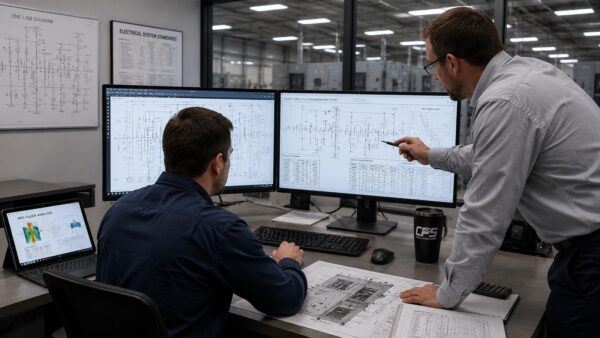
Engineering and Design Services
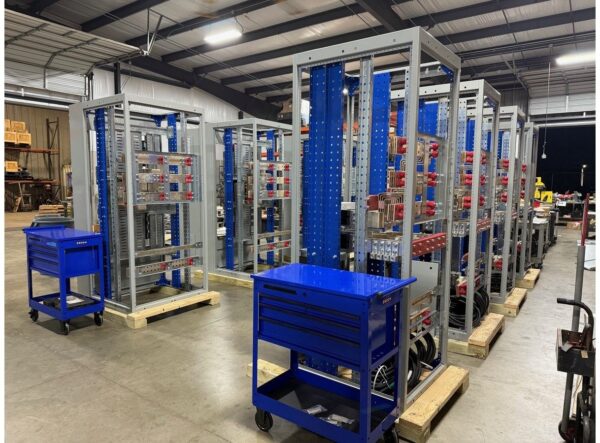
Manufacturing
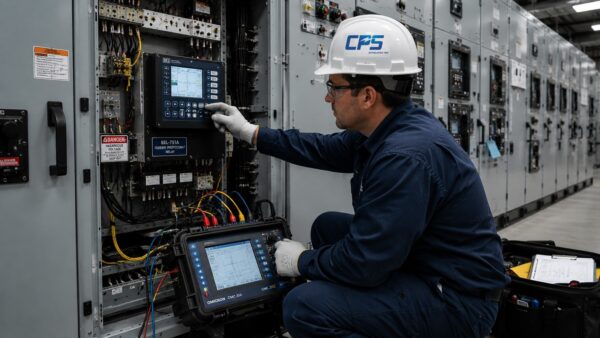
Testing & Commissioning
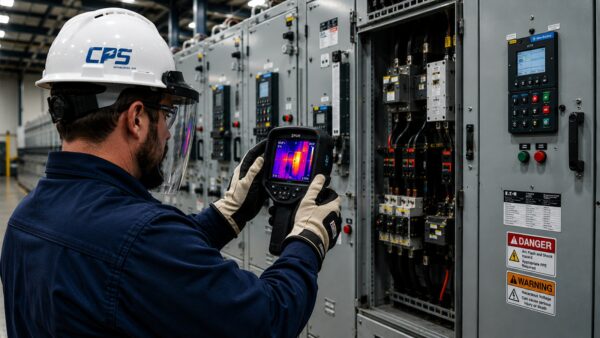
Maintenance and Reliability Services
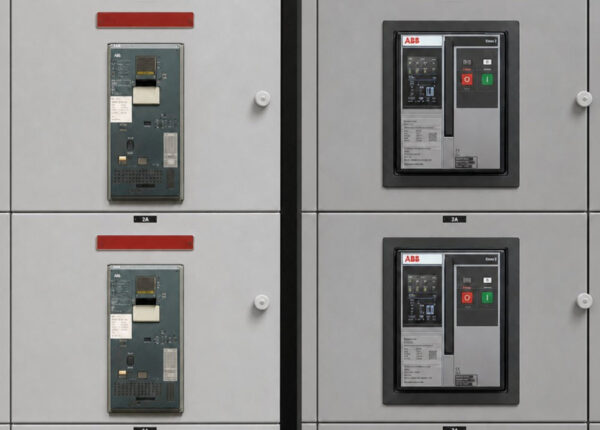
Modernization and Life Extension
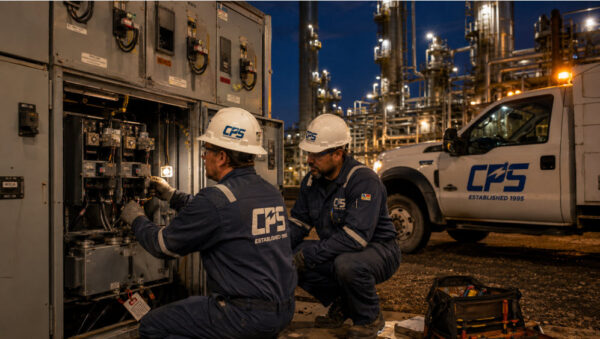
Emergency Response Services for Electrical Power Systems
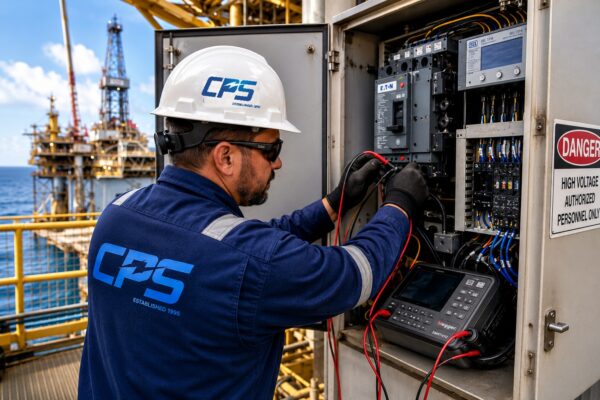
Field Services for Critical Power Infrastructure
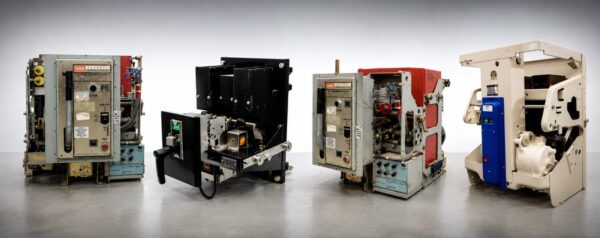
Industrial Circuit Breakers – Sales, Repairs, Retrofits & Parts
We Build What We Sell. We Support What We Build.