MAINTENANCE AND RELIABILITY
Electrical maintenance and reliability services designed to reduce unplanned downtime, extend equipment life, improve safety, and support the long-term performance of critical power distribution infrastructure.
Coastal Power Systems provides electrical maintenance and reliability services that help industrial and commercial facilities improve equipment performance, reduce unplanned downtime, extend asset life, and enhance electrical system safety. Our capabilities include preventive maintenance, circuit breaker repair and restoration, switchgear and motor control center maintenance, infrared thermography, electrical testing, equipment cleaning, troubleshooting, and long-term asset management for both current and obsolete electrical systems.
By combining field services with in-house engineering, manufacturing, repair, restoration, modernization, and testing capabilities, CPS offers a comprehensive approach to maintaining critical power distribution infrastructure. We evaluate equipment condition, identify developing problems, recommend practical solutions, and perform the maintenance, repairs, upgrades, and testing needed to keep electrical systems operating safely and reliably.
Whether supporting a data center, utility, power generation facility, petrochemical plant, manufacturing operation, water and wastewater facility, or other critical infrastructure, Coastal Power Systems delivers maintenance and reliability solutions focused on improving uptime, reducing operational risk, and maximizing the long-term value of your electrical assets.
Our Maintenance and Reliability Services
CPS supports electrical equipment throughout its operating life with preventive maintenance, condition assessments, field troubleshooting, shop repair, restoration, testing, cleaning, and lifecycle planning. Services can be provided individually or combined into a maintenance program based on your equipment, operating environment, outage schedule, and reliability requirements.
- Electrical preventive maintenance
- Circuit breaker inspection, maintenance, and repair
- Full circuit breaker restoration and reconditioning
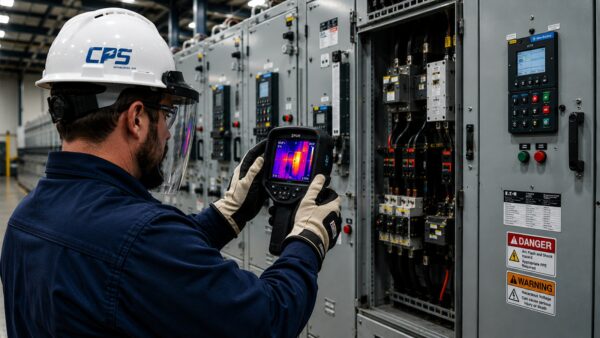
- Infrared thermography inspections
- Electrical asset management and lifecycle planning
- Protective relay and control system evaluation
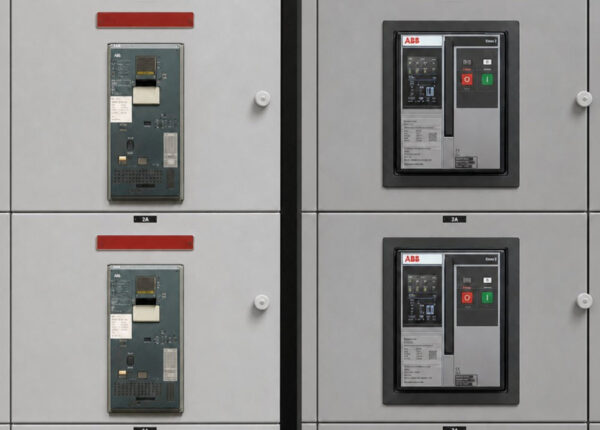
- Switchgear and switchboard maintenance
- Motor control center maintenance, repair, and refurbishment
- Electrical equipment cleaning
- Field troubleshooting and condition assessments
- Maintenance-focused electrical testing
- Repair, refurbishment, modernization, and replacement evaluations
Protecting the Reliability of Existing Electrical Equipment
Electrical equipment rarely fails without warning. Loose connections can generate excess heat. Insulation can deteriorate because of age, moisture, contamination, or repeated thermal stress. Circuit breaker mechanisms can become difficult to operate as lubrication hardens and mechanical components wear. Contacts, arc chutes, coils, wiring, relays, and control devices can also deteriorate gradually while the equipment remains in service.
A structured maintenance program helps identify these conditions before they develop into equipment damage or an unplanned outage. The right program does not treat every asset the same. Maintenance activities should reflect the type of equipment, operating environment, service history, criticality, loading, available redundancy, and consequences of failure.
CPS combines equipment knowledge, field experience, testing capabilities, repair services, and manufacturing support to help you make practical decisions about aging electrical infrastructure. Depending on equipment condition and operational requirements, the appropriate solution may involve routine maintenance, component repair, complete restoration, modernization, or planned replacement.
Preventive and Condition-Based Maintenance
Preventive maintenance addresses known service requirements before deterioration affects equipment operation. Typical activities may include visual inspections, cleaning, lubrication, mechanical adjustments, torque verification, breaker exercise, contact evaluation, control wiring inspection, and functional testing.
Condition-based maintenance uses inspection and test results to determine where attention is most urgently needed. Infrared thermography, insulation testing, breaker testing, relay evaluation, operating history, and visual evidence of contamination or deterioration can help identify equipment requiring additional investigation.
Combining scheduled maintenance with condition-based information gives you a more useful picture of system health than relying on calendar intervals alone. It also helps you prioritize limited maintenance budgets and plan work during scheduled outages rather than responding after a failure.
Circuit Breaker Maintenance, Repair, and Restoration
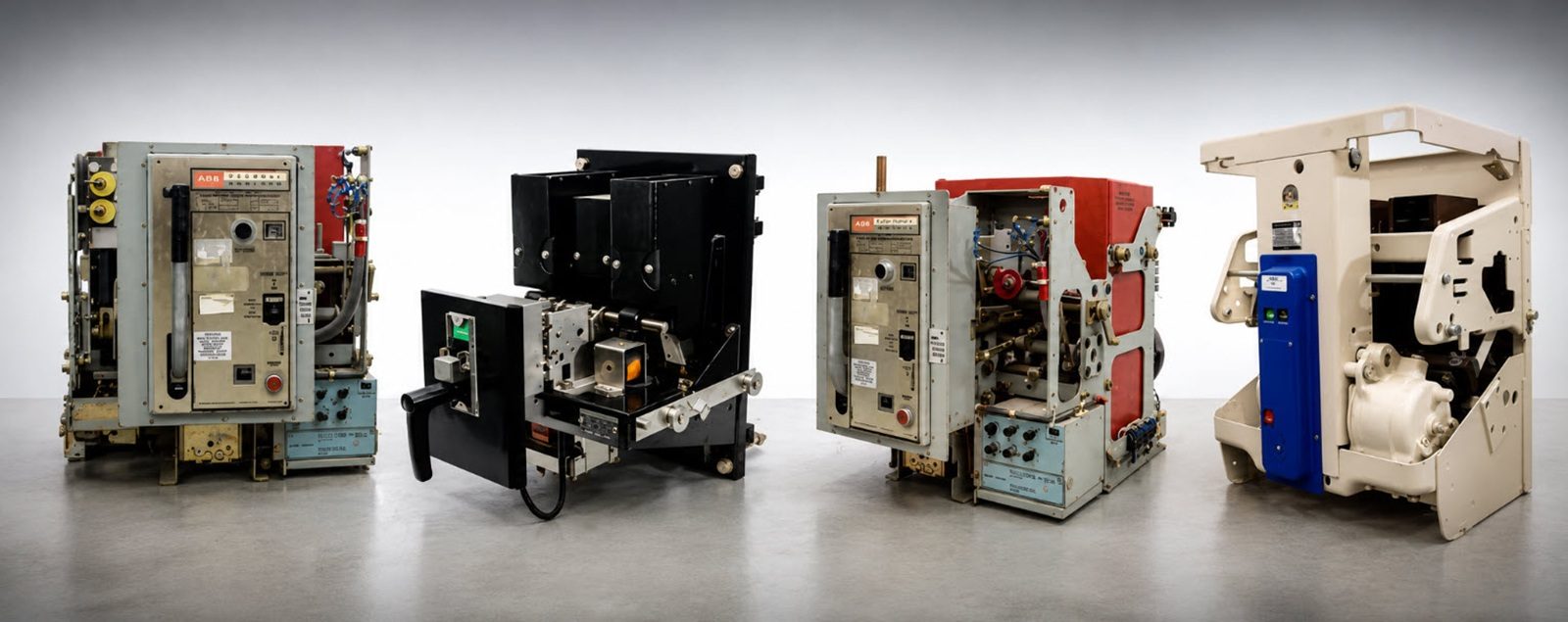
Coastal Power Systems supports molded-case, insulated-case, low-voltage air, medium-voltage air, and vacuum circuit breakers from major current and legacy manufacturers. Services range from routine maintenance and troubleshooting to shop repair and complete circuit breaker restoration (see more info on our Circuit Breaker Repairs page).
Circuit Breaker Maintenance
Breaker maintenance may include inspection, cleaning, lubrication, mechanical adjustments, contact evaluation, accessory testing, trip unit evaluation, functional checks, and electrical testing appropriate for the breaker type and application.
Circuit Breaker Repair
When a breaker develops an operating problem, CPS can evaluate the equipment, identify damaged or worn components, provide repair recommendations, replace necessary parts, reassemble the breaker, and verify operation through functional and electrical testing.
Full Breaker Restoration
Complete restoration is intended for breakers requiring more than a limited repair. The process may include complete disassembly, cleaning, component evaluation, metal finishing, replacement of worn hardware, contact restoration, reassembly, adjustment, and final testing.
Testing and Documentation
Testing is selected according to the equipment and work performed. Services may include functional testing, primary injection testing, secondary injection testing, insulation testing, high-potential testing, vacuum bottle integrity testing, and documented test results.
Full Circuit Breaker Restoration Process
When a circuit breaker remains a suitable candidate for continued service but has significant mechanical deterioration, corrosion, contamination, or component wear, restoration may provide a practical alternative to immediate replacement. CPS evaluates the equipment before recommending restoration because not every breaker should be returned to service.
A full restoration project may include:
- Complete disassembly to expose mechanical, electrical, and current-carrying components
- Inspection of operating mechanisms, contacts, arc-control components, insulation, wiring, coils, and accessories
- Cleaning and removal of contamination, hardened lubricant, corrosion, and accumulated debris
- Powder coating of appropriate painted metal components
- Metal plating of appropriate mechanical and conductive components
- Replacement of worn, damaged, or unsuitable hardware
- Replacement or repair of contacts, insulation, wiring, coils, and operating components as required
- Reassembly using correct alignment, adjustment, and torque procedures
- Mechanical operation and functional testing
- Electrical testing appropriate for the breaker type and application
- Final inspection and test documentation
Restoration should not be confused with cosmetic refinishing. The purpose is to return suitable equipment to dependable operating condition by addressing mechanical, electrical, and structural deficiencies throughout the breaker.
Switchgear and Switchboard Maintenance
Switchgear and switchboard maintenance requires more than servicing the individual circuit breakers. The complete assembly should be evaluated for contamination, loose or overheated connections, insulation deterioration, damaged barriers, control wiring issues, mechanical interlocks, grounding problems, moisture intrusion, and evidence of abnormal operation.
CPS can support planned maintenance outages with equipment inspection, cleaning, breaker maintenance, control troubleshooting, device installation, testing, and repair recommendations. Findings can be documented so you can separate immediate corrective actions from work that should be incorporated into future maintenance or modernization plans.
Maintenance services may include:
- Visual and mechanical inspection
- Interior and exterior equipment cleaning
- Bus, connection, and insulation evaluation
- Circuit breaker inspection and maintenance
- Control wiring and accessory inspection
- Mechanical and electrical interlock checks
- Protective relay and control component evaluation
- Infrared inspection of energized equipment when appropriate
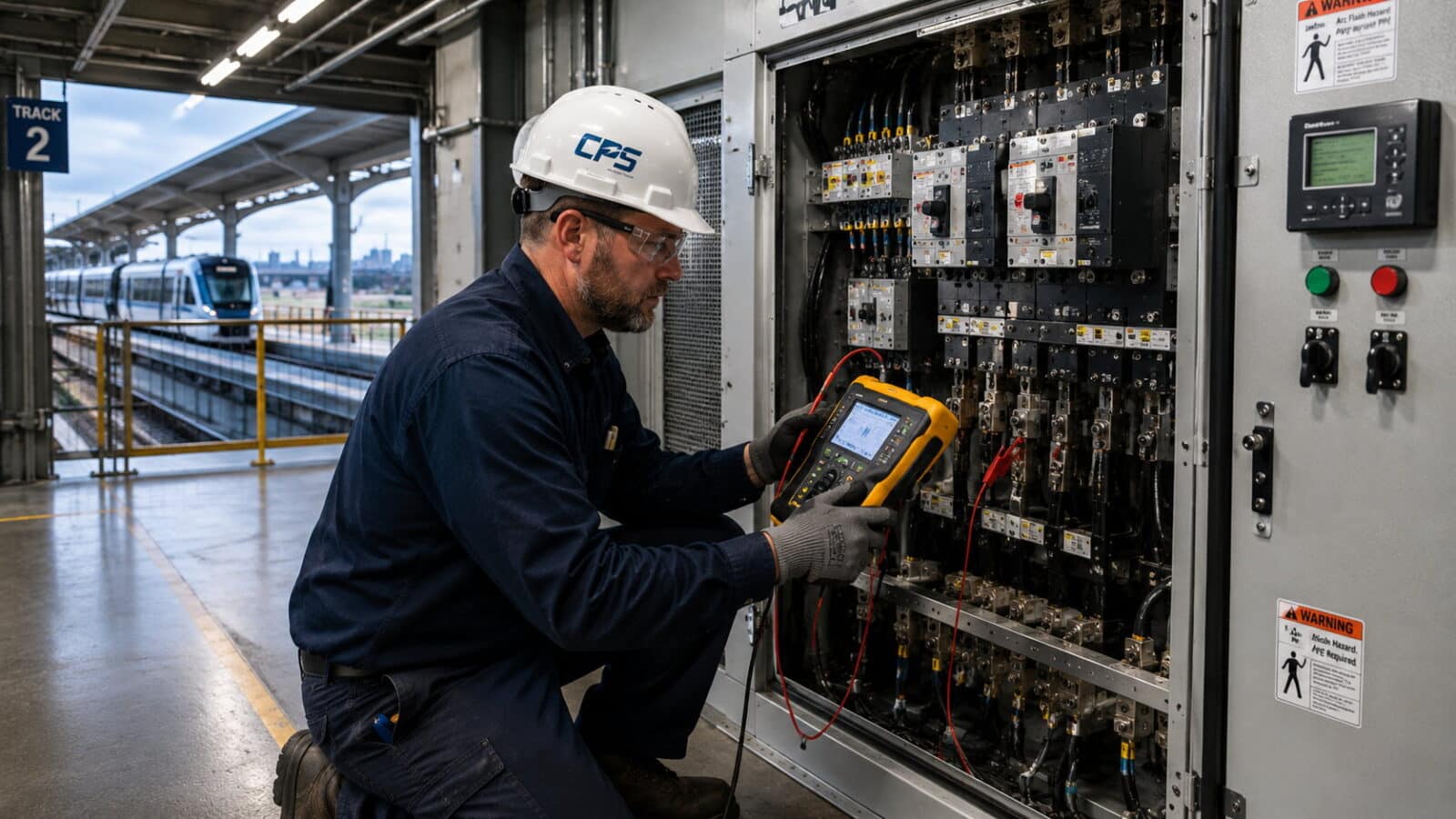
- Electrical testing based on equipment condition and maintenance scope
- Identification of repair, upgrade, or replacement priorities
Motor Control Center Maintenance and Refurbishment
Motor control centers often remain in service for decades while individual buckets, starters, contactors, overload devices, wiring, and control components are repaired or replaced over time. This can create a mixture of current and obsolete equipment within the same lineup. CPS supports low- and medium-voltage motor control centers with field maintenance, bucket repair, shop refurbishment, component replacement, and modernization options.
MCC Field Maintenance
Field services may include inspection, cleaning, troubleshooting, starter and contactor evaluation, bucket maintenance, control testing, connection checks, and recommendations for repair or modernization.
MCC Bucket Repair
CPS can repair individual MCC buckets and replace worn or failed components, including contactors, starters, overload devices, control transformers, pilot devices, wiring, disconnect components, and mechanical hardware.
MCC Refurbishment
More extensive refurbishment may include disassembly, cleaning, metal finishing, new wire and cable, replacement hardware, repair or fabrication of panels and doors, insulation work, component upgrades, reassembly, and testing.
MCC Modernization Options
When existing components are obsolete or difficult to support, CPS can evaluate replacement starters, solid-state overload protection, retrofit buckets, controls, and other upgrades that preserve the usable portions of the lineup.
Field Maintenance and Troubleshooting
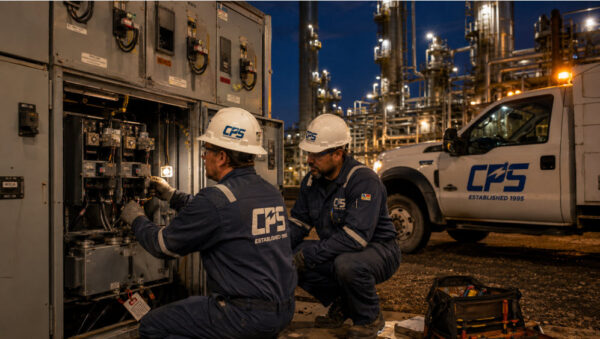
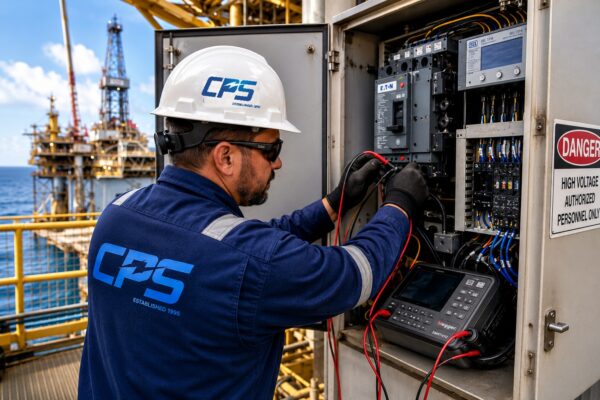
CPS field technicians support electrical maintenance and reliability work at industrial plants, utilities, power generation facilities, oil and gas operations, petrochemical facilities, data centers, transportation systems, water and wastewater facilities, and other critical infrastructure sites.
Because the same equipment families may also be evaluated and repaired in CPS shop facilities, field teams can draw on practical equipment knowledge when diagnosing mechanical, electrical, and control problems. Field service scopes may include:
- On-site equipment surveys and condition assessments
- Circuit breaker and switchgear maintenance
- Motor control center maintenance
- Electrical troubleshooting and limited field repairs
- Control component and accessory troubleshooting
- Protective relay testing and evaluation
- Primary and secondary injection testing
- Medium-voltage insulation and vacuum bottle integrity testing
- Retrofit and retrofill installation support
- Trip unit and accessory installation
- Planned inspection and maintenance programs
Startup and acceptance testing for newly installed systems should remain within the CPS Testing & Commissioning silo. Testing performed to evaluate the condition of existing equipment or verify maintenance work belongs within Maintenance & Reliability. Keeping that distinction clear will make the website easier for customers to understand.
Electrical Equipment Cleaning
Dust, dirt, metallic particles, oil residue, moisture, and process contamination can reduce insulation performance, interfere with mechanical operation, restrict ventilation, and make equipment condition more difficult to evaluate. Cleaning is therefore an important part of many electrical maintenance programs.
Cleaning methods must be selected according to equipment type, contamination, insulation materials, and site conditions. The goal is not simply to improve appearance. Proper cleaning helps technicians inspect the equipment, identify deterioration, restore mechanical movement, and reduce the risk associated with conductive or moisture-retaining contamination.
Depending on equipment condition, cleaning may be combined with inspection, lubrication, torque verification, breaker maintenance, insulation testing, control checks, and repair recommendations.
Infrared Thermography and Condition Monitoring
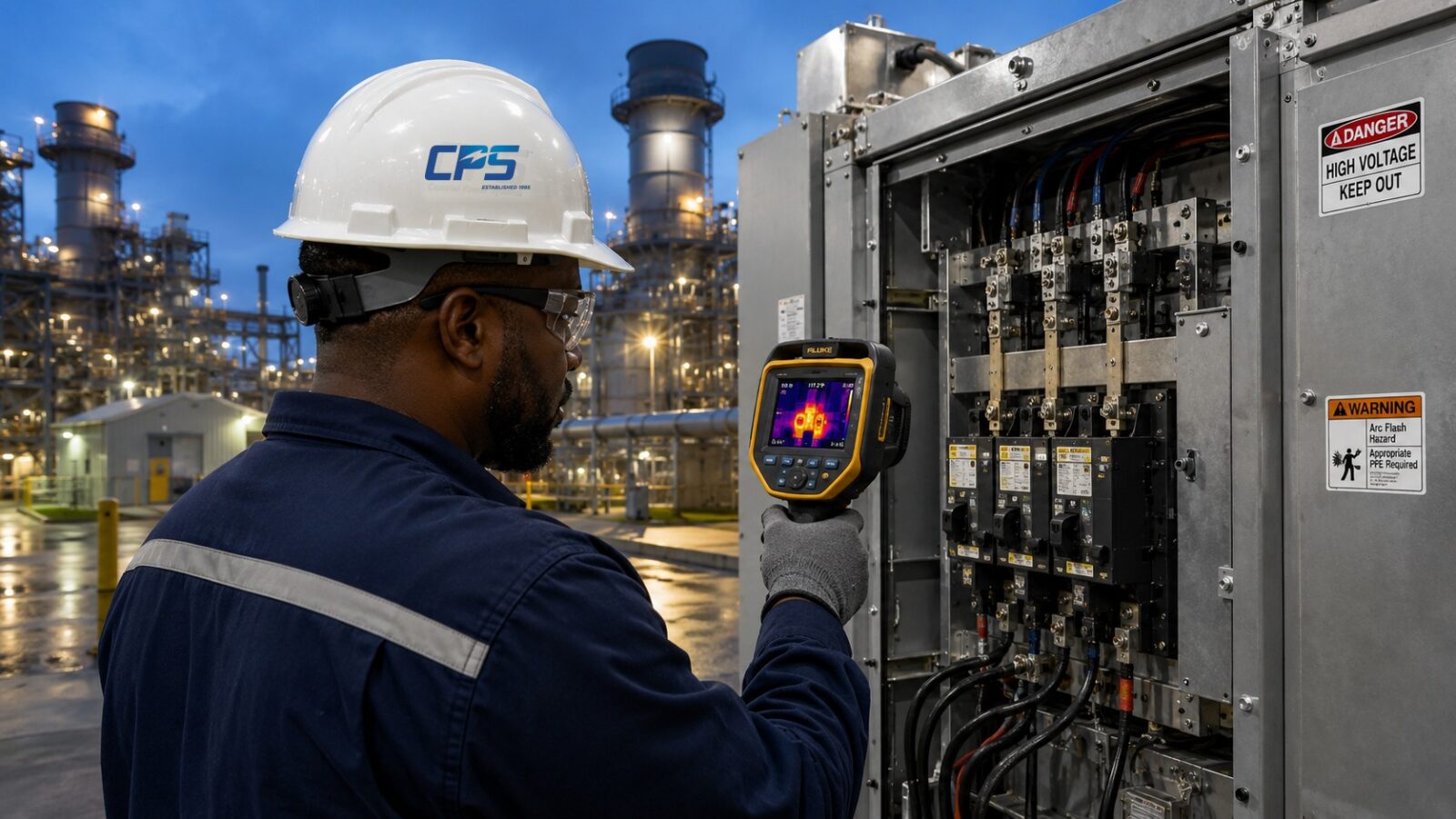
Infrared thermography can identify abnormal heat patterns while electrical equipment is energized and carrying load. These patterns may indicate loose connections, overloaded components, phase imbalance, high-resistance joints, deteriorating contacts, ventilation problems, or other conditions that warrant investigation.
Thermal findings should be evaluated within the context of equipment loading, ambient conditions, component type, and system design. An elevated temperature does not identify the cause by itself, but it provides valuable information for prioritizing inspections and corrective work.
Regular infrared surveys can be incorporated into a broader maintenance program so thermal trends can be compared over time and repairs can be verified during later inspections.
Electrical Asset Management and Lifecycle Planning
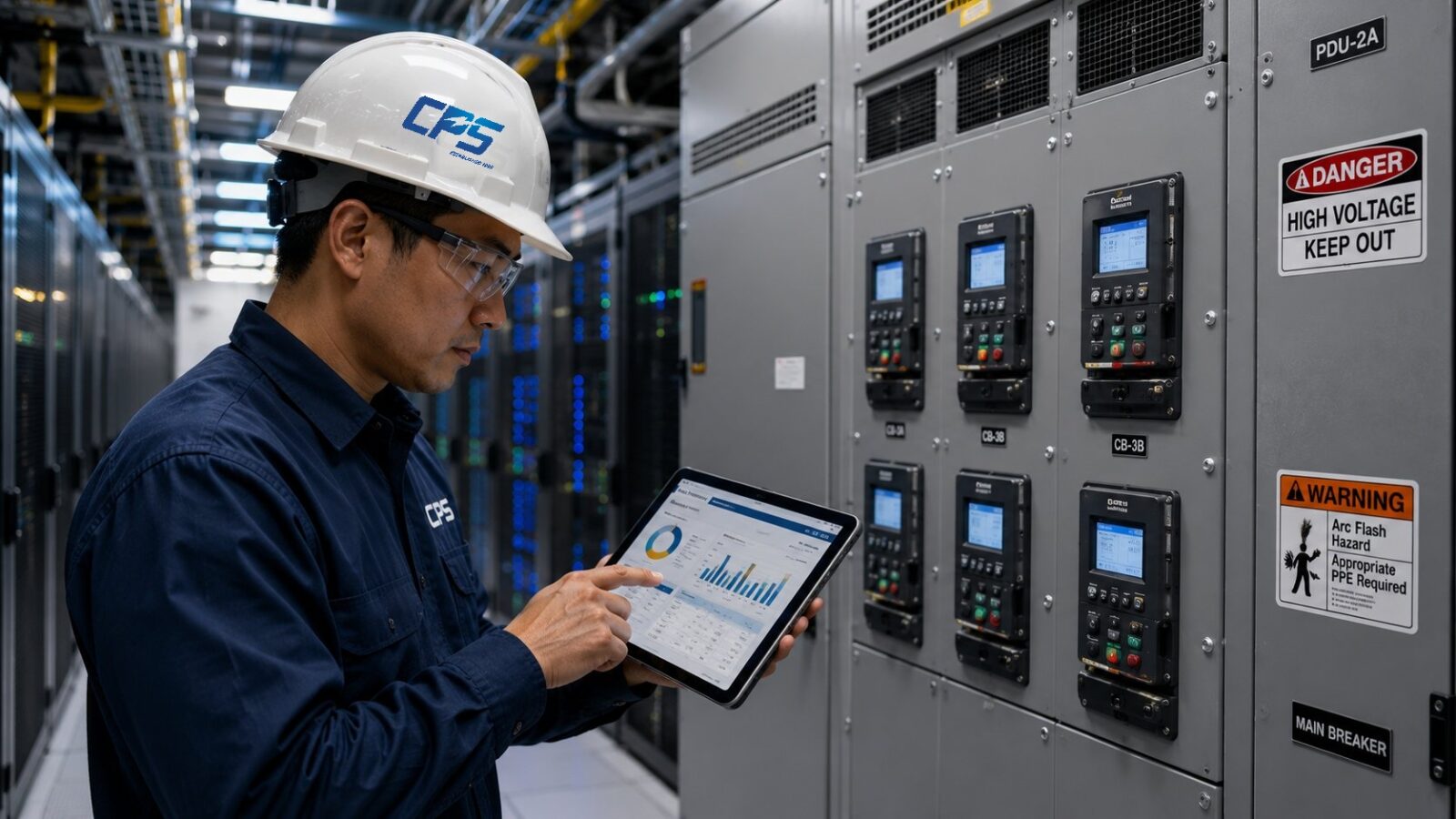
Maintenance decisions become more effective when you have accurate information about equipment age, condition, criticality, service history, replacement-part availability, and operational risk. Electrical asset management brings this information together so maintenance and capital projects can be prioritized logically.
CPS can help you evaluate whether aging equipment should be maintained, repaired, restored, modernized, or replaced. The decision may depend on:
- Physical and electrical condition
- Equipment criticality and available system redundancy
- Failure history and maintenance requirements
- Availability of breakers, parts, trip units, relays, and accessories
- Ability to support the equipment during an emergency
- Safety and protection limitations
- Compatibility with planned system changes
- Expected remaining service life
- Cost and disruption associated with repair or replacement
This approach helps you avoid spending money on assets that should be replaced while also preventing unnecessary replacement of equipment that can continue to provide reliable service with appropriate maintenance or modernization.
Repair, Refurbishment, Modernization, or Replacement?
These terms describe different levels of work, and they should not be used interchangeably (see more info on our Circuit Breaker Repairs page).
Repair
Corrects a specific defect or operating problem by repairing or replacing the affected components.
Refurbishment or Restoration
Addresses the overall condition of the equipment through extensive disassembly, cleaning, component renewal, reassembly, and testing.
Modernization
Introduces current breakers, trip units, relays, controls, or other technology into an existing electrical system.
Replacement
Removes equipment that is no longer safe, practical, supportable, or economical to maintain and replaces it with new equipment.
CPS can help you compare these options based on equipment condition, risk, cost, outage limitations, and long-term operating requirements.
Why Coastal Power Systems?
Coastal Power Systems combines field maintenance, shop repair, equipment restoration, testing, engineering, manufacturing, modernization, and emergency response capabilities. This integrated approach allows you to work with one experienced organization throughout multiple stages of the equipment lifecycle rather than coordinating multiple service providers.
Field and Shop Capabilities
Equipment can be inspected, tested, and maintained on site or transferred to a CPS service facility for more extensive repair, restoration, fabrication, and testing.
Legacy Equipment Knowledge
CPS supports current, obsolete, and hard-to-find circuit breakers, switchgear, controls, and motor control center equipment from major manufacturers.
Testing and Documentation
Maintenance, repair, and restoration services can include functional and electrical testing supported by documented test results.
Practical Lifecycle Decisions
CPS helps determine when equipment should be maintained, repaired, restored, modernized, or replaced based on condition, application, and long-term reliability.
Integrated Modernization Support
CPS provides breaker retrofits, trip unit upgrades, control modifications, replacement equipment, and custom power distribution solutions.
Critical Infrastructure Experience
CPS supports facilities where electrical reliability, personnel safety, outage duration, and operational continuity are essential.
Explore Our Electrical Maintenance and Reliability Services
Learn more about the services CPS provides to maintain existing electrical equipment, identify developing problems, support repairs, and plan long-term equipment improvements.
Frequently Asked Questions
Additional Information & Resources
The following organizations publish standards, recommended practices, and technical guidance related to electrical equipment maintenance, testing, safety, and power system reliability:
- National Fire Protection Association
- InterNational Electrical Testing Association
- Institute of Electrical and Electronics Engineers
- National Electrical Manufacturers Association
- UL Solutions
Explore Our Capabilities
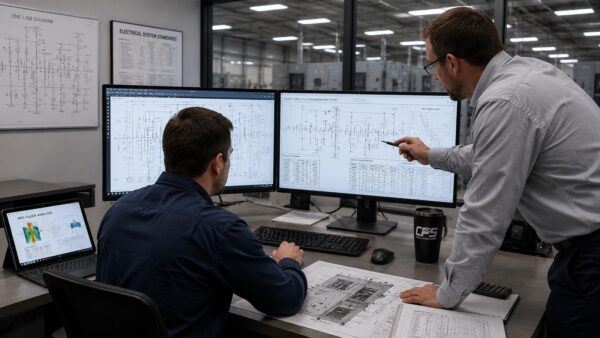
Engineering and Design Services
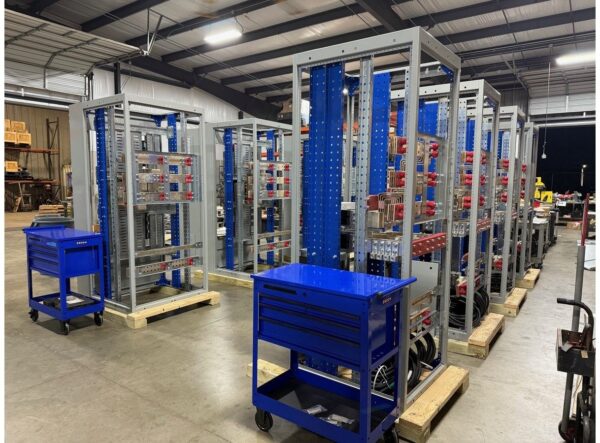
Manufacturing
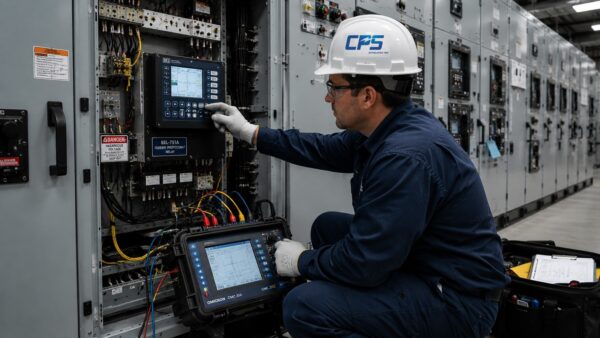
Testing & Commissioning
Maintenance and Reliability Services
Modernization and Life Extension
Emergency Response Services for Electrical Power Systems
Field Services for Critical Power Infrastructure
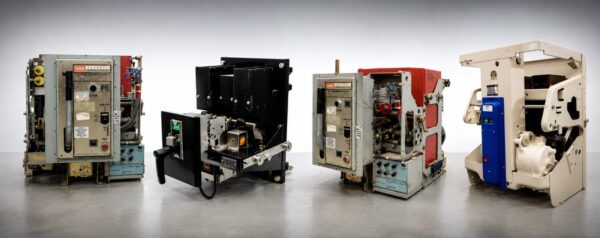
Industrial Circuit Breakers – Sales, Repairs, Retrofits & Parts
We Build What We Sell. We Support What We Build.