PROTECTIVE RELAY TESTING SERVICES
Protective relay testing services help verify that electrical protection systems will operate correctly during fault conditions, reducing equipment damage, improving reliability, supporting worker safety, and minimizing the risk of costly outages.
Protective Relay Testing Services for Reliable Electrical System Protection and Fault Response
Protective relays are among the most important devices in an electrical power system. Under normal operating conditions, they monitor voltage, current, frequency, differential current, ground faults, and other electrical conditions. When an abnormal event occurs, the relay becomes the decision-maker. It determines whether a fault exists, identifies the affected portion of the system, and initiates breaker operation to isolate the problem before damage spreads throughout the electrical distribution network.
Protective relays cannot simply be installed and forgotten. Settings may be entered incorrectly during commissioning. System modifications can change coordination requirements. Relay firmware may be updated. Control wiring may be altered during maintenance activities. Equipment upgrades may introduce new fault current levels that affect protection performance. Even minor configuration errors can prevent a relay from operating correctly when needed most.
Coastal Power Systems provides protective relay testing services for utilities, industrial facilities, data centers, power generation plants, petrochemical operations, municipalities, and critical infrastructure where electrical reliability is essential to safe and continuous operation.
Our Protective Relay Testing Services
- Protective relay functional testing
- Relay setting verification
- Secondary injection testing
- Protection coordination verification
- Differential relay testing
- Generator protection testing
- Transformer protection testing
- Breaker failure scheme testing
- Commissioning and startup testing
- Relay troubleshooting and diagnostics
What Are Protective Relay Testing Services?
Protective relay testing services verify the performance, accuracy, settings, and operation of electrical protection devices throughout the power distribution system. These tests evaluate how relays respond to simulated fault conditions, abnormal operating scenarios, and protection system events. The goal is to confirm that relays detect faults correctly and initiate the appropriate protective actions within the required timeframes.
Testing typically involves specialized secondary injection equipment capable of simulating voltage and current conditions that the relay would experience during actual system faults. Engineers compare relay operation against design requirements, protection studies, manufacturer specifications, and system coordination objectives. The testing process also evaluates communication functions, logic schemes, interlocks, trip outputs, and associated protection system components.
Because modern relays perform many functions beyond simple overcurrent protection, comprehensive testing has become increasingly important as electrical systems become more sophisticated.
Why Protective Relay Testing Matters
Electrical protection systems are designed to minimize the impact of abnormal conditions. When a fault occurs, properly functioning relays should isolate only the affected portion of the system while allowing the remainder of the facility to continue operating. If a relay fails to trip, trips too slowly, or trips the wrong equipment, the consequences can be severe.
A delayed trip may expose equipment to damaging fault currents. An incorrect trip may shut down critical production processes unnecessarily. A failed protection system can allow a localized fault to escalate into a facility-wide outage. In extreme situations, improper relay operation can contribute to arc flash incidents, equipment destruction, and extended downtime.
Protective relay testing helps reduce these risks by confirming that protection systems will perform as intended before an actual fault occurs. For critical facilities, this verification often represents one of the most important reliability activities within the electrical maintenance program.
The Problem With Untested Protection Systems
Many facilities assume their protection systems are operating correctly simply because no obvious problems exist. However, relays may remain inactive for years without being required to respond to a significant fault. During that time, settings may be modified, firmware may change, system loads may increase, and equipment configurations may evolve.
Without testing, these changes can introduce hidden vulnerabilities. A relay setting entered incorrectly during commissioning may never be discovered until a fault occurs. A system expansion may alter fault current levels beyond the assumptions used during the original coordination study. A communication failure may prevent critical protection functions from operating properly.
The challenge is that these issues often remain invisible during normal operation. Relay testing provides a practical method for confirming that protection systems remain aligned with current operating conditions and engineering requirements.
How Protective Relay Testing Supports Reliability
Reliability depends on more than preventing failures. It also depends on limiting the consequences when failures occur. Protective relays serve as the first line of defense against electrical faults, equipment damage, and widespread outages. When protection systems operate correctly, fault events are isolated quickly and efficiently.
Protective relay testing helps maintain this capability by verifying that protection devices continue to perform according to design intent. Engineers can identify configuration issues, timing discrepancies, communication failures, and coordination concerns before they affect operations. This proactive approach reduces uncertainty and improves confidence in the electrical system.
For facilities where downtime carries significant operational or financial consequences, maintaining dependable protection systems is often just as important as maintaining the equipment they protect.
Protective Relay Testing and Power System Coordination
Protective relays do not operate independently. Each relay functions as part of a coordinated protection scheme designed to isolate faults selectively. Coordination studies determine which devices should operate first, how quickly they should respond, and how protection zones should interact throughout the electrical distribution system.
Relay testing helps verify that actual relay settings match the assumptions used during the coordination study. If settings have been altered, if equipment has been modified, or if system conditions have changed, the original coordination strategy may no longer function as intended. Testing provides an opportunity to identify these issues before they affect system performance.
This relationship between coordination studies and relay testing is one reason many organizations perform both activities together as part of a broader reliability and protection strategy.
When Should Protective Relays Be Tested?
Protective relay testing should be performed whenever new relays are installed, major modifications are made to the electrical system, protection settings are changed, or equipment undergoes commissioning. Testing is also recommended as part of ongoing maintenance programs because protection systems can change over time.
Many facilities establish periodic testing intervals based on equipment criticality, industry requirements, operating conditions, and reliability objectives. Critical facilities often test relays more frequently because the consequences of protection system failure are significantly greater.
Testing may also be warranted following major outages, fault events, equipment replacements, generator installations, utility service changes, or facility expansions that affect protection system operation.
Protective Relay Testing During Commissioning
Commissioning activities provide one of the most important opportunities for relay testing. New electrical systems often include dozens or even hundreds of protection functions that must operate correctly before energization. Verifying relay settings during commissioning helps ensure that the installed system matches the engineering design.
Testing during startup also confirms that field wiring, communication systems, trip circuits, breaker controls, and protection logic function correctly after installation. Identifying issues during commissioning is significantly less disruptive than discovering them after the facility enters service.
For EPC contractors, commissioning teams, and facility owners, relay testing helps reduce startup risk while supporting a smoother project turnover process.
Industries That Benefit Most from Protective Relay Testing Services
Protective relay testing services provide value wherever electrical reliability is critical. Utilities rely on protection systems to maintain grid stability and protect transmission and distribution infrastructure. Power generation facilities depend on relay performance to safeguard generators, transformers, and associated equipment. Data centers use sophisticated protection systems to support uptime objectives and maintain continuous operations.
Petrochemical plants, refineries, manufacturing facilities, mining operations, transportation systems, water treatment plants, and municipal infrastructure operators face similar challenges. In each of these environments, protection system performance directly affects reliability, safety, and operational continuity.
The greater the consequence of an outage, the greater the value of comprehensive relay testing.
Why Coastal Power Systems?
Protective relay testing services are most effective when performed within the broader context of electrical system performance. Coastal Power Systems combines relay testing capabilities with engineering studies, coordination studies, NETA-guided testing, commissioning services, preventative maintenance programs, modernization projects, and emergency response support.
This integrated approach allows relay testing results to be evaluated alongside protection coordination requirements, system reliability goals, equipment condition assessments, and future modernization plans. Rather than simply confirming that a relay operates, Coastal helps facility owners understand how protection system performance affects overall electrical reliability.
Because Coastal supports electrical infrastructure throughout its lifecycle, relay testing recommendations can be incorporated into broader reliability, maintenance, and asset management strategies.
Request a Protective Relay Testing Review
Whether you are commissioning a new facility, validating protection settings, troubleshooting relay performance, updating coordination studies, or improving electrical system reliability, protective relay testing services can help verify that your protection systems will perform when needed most.
Frequently Asked Questions
What are protective relay testing services?
Protective relay testing services verify that electrical protection devices operate correctly, respond to fault conditions as intended, and remain aligned with system protection requirements.
Why is protective relay testing important?
Testing helps ensure that protection systems will isolate faults correctly, minimize equipment damage, improve reliability, and reduce the risk of unnecessary outages.
How often should protective relays be tested?
Testing frequency depends on equipment criticality, industry requirements, operating conditions, maintenance strategies, and reliability objectives.
Can relay settings change over time?
Yes. Settings may be altered during maintenance activities, system modifications, firmware updates, equipment replacements, or operational changes, making periodic verification important.
What is the relationship between relay testing and coordination studies?
Coordination studies establish the intended protection strategy, while relay testing verifies that relay settings and operation match the assumptions used in the study.
Additional Information
The following organizations publish widely recognized standards, technical guidance, and best practices related to protective relay testing, protection system coordination, and electrical reliability.
Explore Our Capabilities
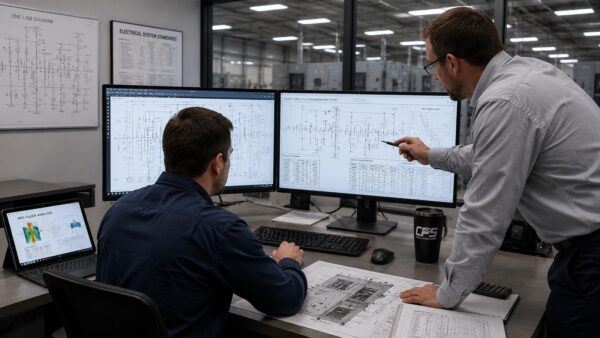
Engineering and Design Services
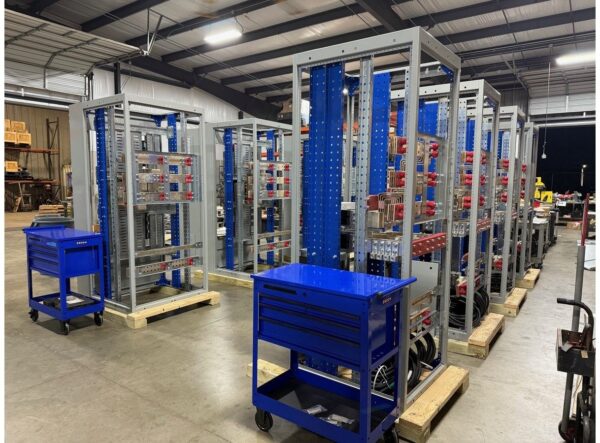
Manufacturing
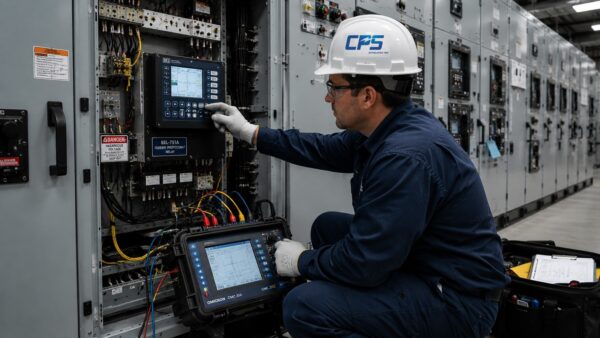
Testing & Commissioning
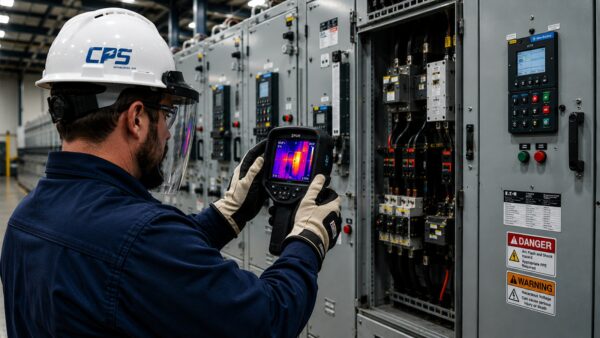
Maintenance and Reliability Services
Modernization and Life Extension
Emergency Response Services for Electrical Power Systems
Field Services for Critical Power Infrastructure
Industrial Circuit Breakers – Sales, Repairs, Retrofits & Parts
We Build What We Sell. We Support What We Build.