TESTING & COMMISSIONING
Electrical testing and commissioning services designed to verify equipment performance, identify potential issues before startup, improve system reliability, and reduce the risk of costly failures during operation.
Electrical Testing and Commissioning Services
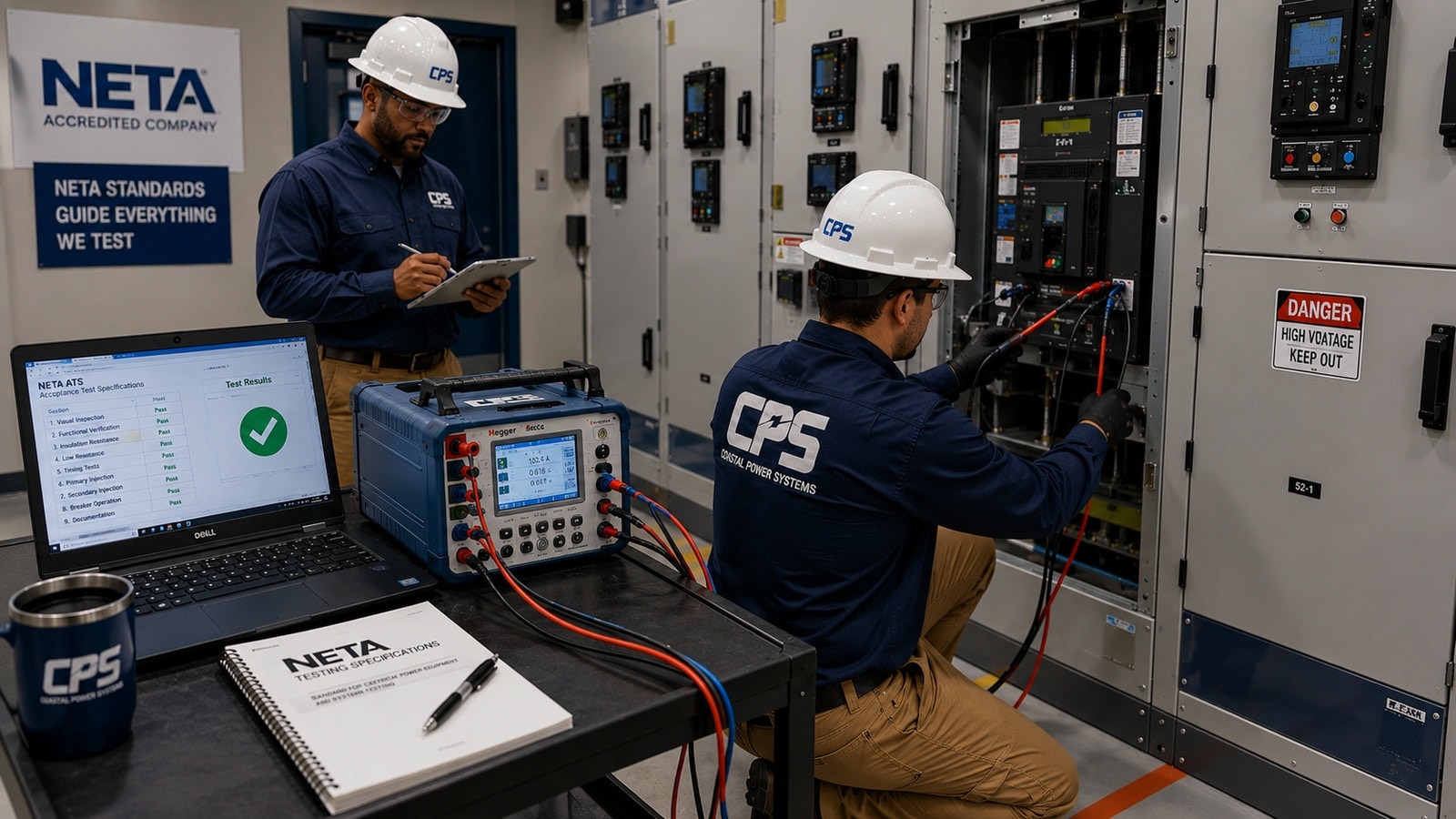
Electrical systems are expected to perform reliably from the moment they are energized. Whether supporting a data center, utility substation, power generation facility, industrial manufacturing plant, petrochemical operation, or critical infrastructure project, owners expect equipment to operate safely and perform as designed. Unfortunately, many electrical failures occur during startup or shortly after commissioning because problems were not identified before the equipment was placed into service.
Manufacturing defects, installation errors, wiring mistakes, relay configuration issues, damaged components, improper settings, and transportation-related damage can all affect equipment performance. Even equipment that passes factory testing may develop issues during shipping, installation, or integration with the larger electrical system. Testing and commissioning services help identify these problems before they become operational failures.
Coastal Power Systems (CPS) provides comprehensive electrical testing and commissioning services for industrial facilities, utilities, data centers, power generation facilities, oil and gas operations, petrochemical plants, municipalities, and critical infrastructure operators. By combining testing expertise with engineering studies, equipment manufacturing, modernization services, maintenance programs, and lifecycle support, CPS helps customers improve reliability while reducing operational risk.
Our Electrical Testing and Commissioning Services
Why Electrical Testing and Commissioning Matter
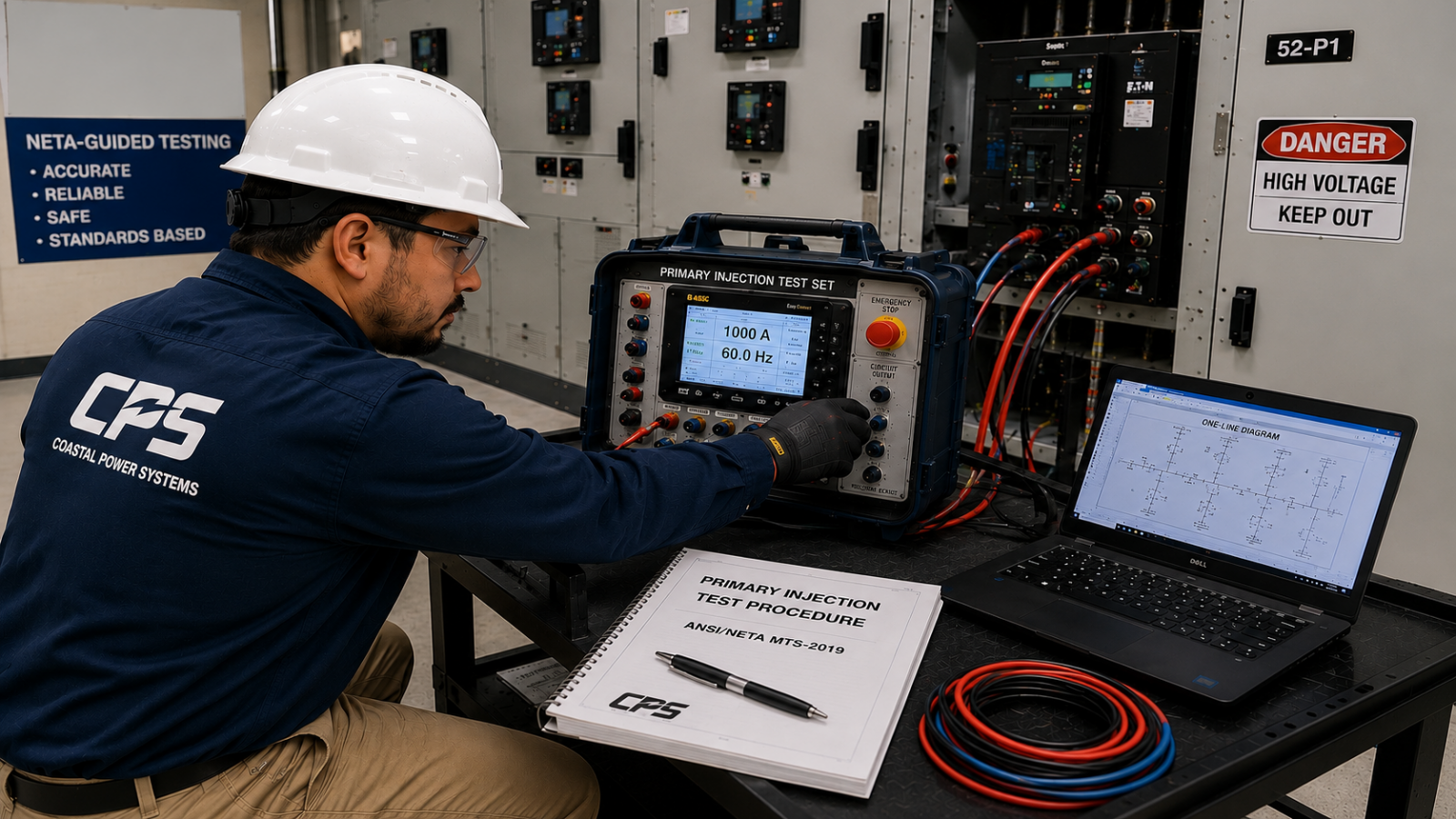
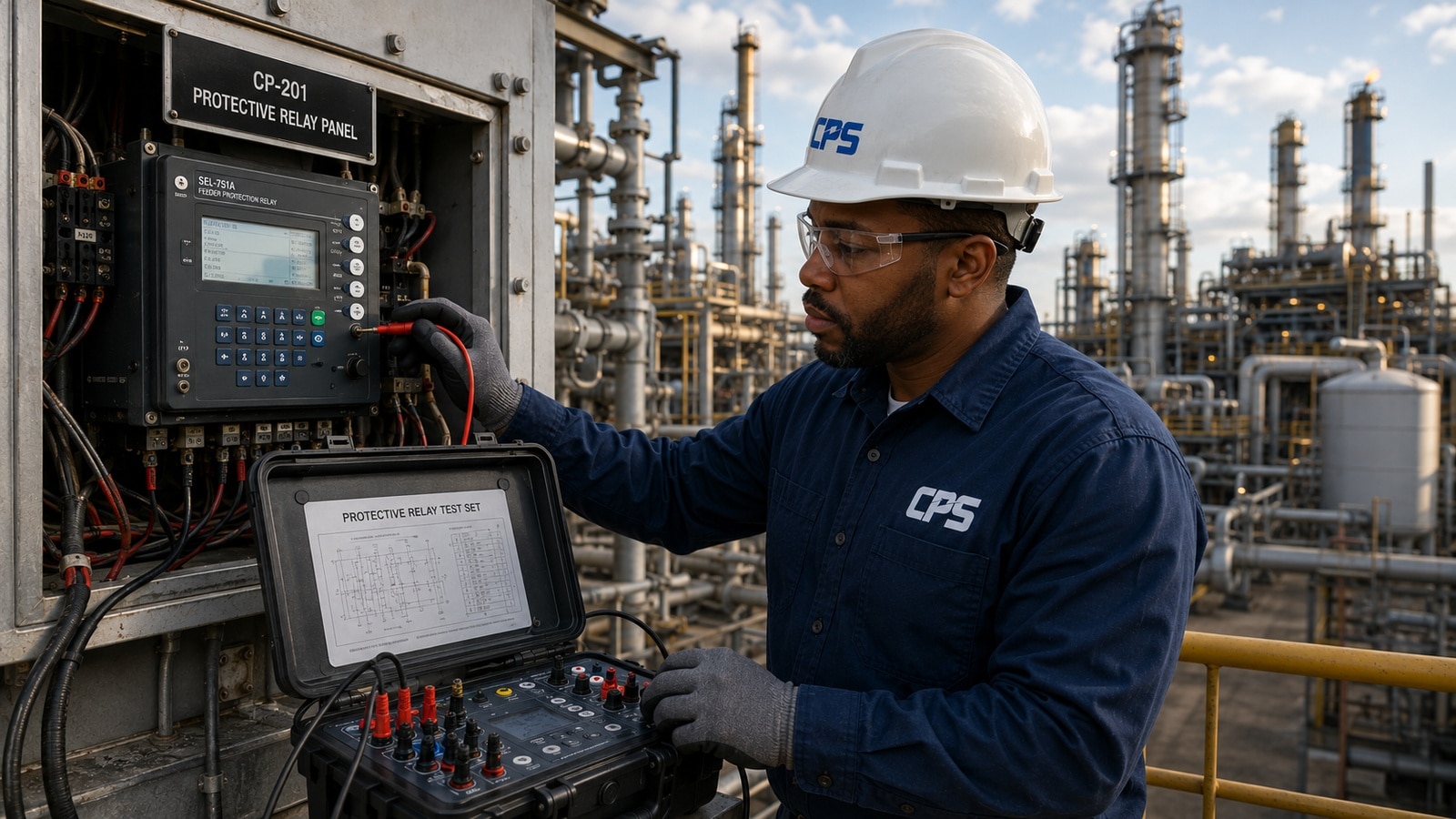
Electrical equipment does not become reliable simply because it has been installed. Every component must be inspected, tested, configured, and verified before energization. A protection relay may be programmed incorrectly. A breaker may not operate within required tolerances. Current transformer wiring may be reversed. Protection settings may not match the coordination study. Any of these issues can compromise reliability, safety, or equipment performance.
Testing and commissioning provide the final verification that the electrical system will operate as intended. The process confirms equipment condition, validates protection system operation, verifies control sequences, and identifies potential issues before they affect facility operations.
For critical facilities where downtime carries significant consequences, testing and commissioning should be viewed as reliability investments rather than project expenses.
Testing Throughout the Equipment Lifecycle
While testing is often associated with new construction projects, it remains valuable throughout the life of an electrical system. Equipment modifications, facility expansions, modernization projects, maintenance activities, relay upgrades, breaker replacements, and protection system changes all create opportunities for new issues to develop.
Periodic testing helps verify that equipment continues to perform as expected and that protection systems remain properly configured. Testing also supports predictive maintenance strategies by identifying degradation before failures occur.
Facilities that incorporate regular testing into their maintenance programs often experience fewer unexpected outages and lower lifecycle operating costs.
Commissioning Is More Than Equipment Startup
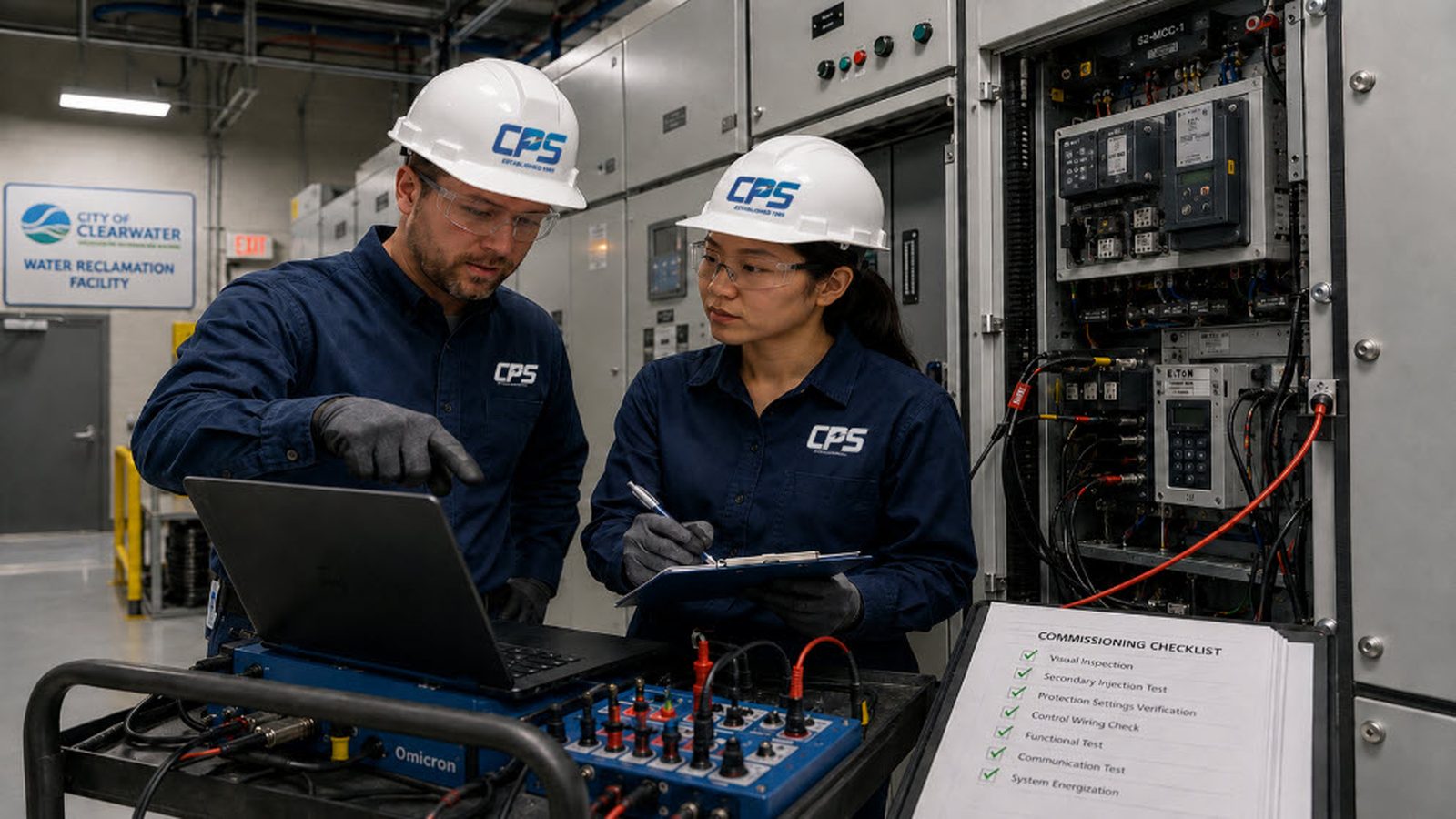
Many people associate commissioning with the final stage of a construction project. While startup is certainly part of the process, effective commissioning begins much earlier. Equipment reviews, design verification, protection setting validation, testing procedures, communication checks, and operational sequence reviews all contribute to successful commissioning outcomes.
The objective is not simply to energize the equipment. The objective is to verify that the entire electrical system functions safely and reliably under both normal and abnormal operating conditions. This includes evaluating how protection systems respond to faults, how transfer schemes operate, and how operators interact with the system.
A comprehensive commissioning process helps reduce startup issues while improving long-term reliability.
Supporting Critical Power Infrastructure
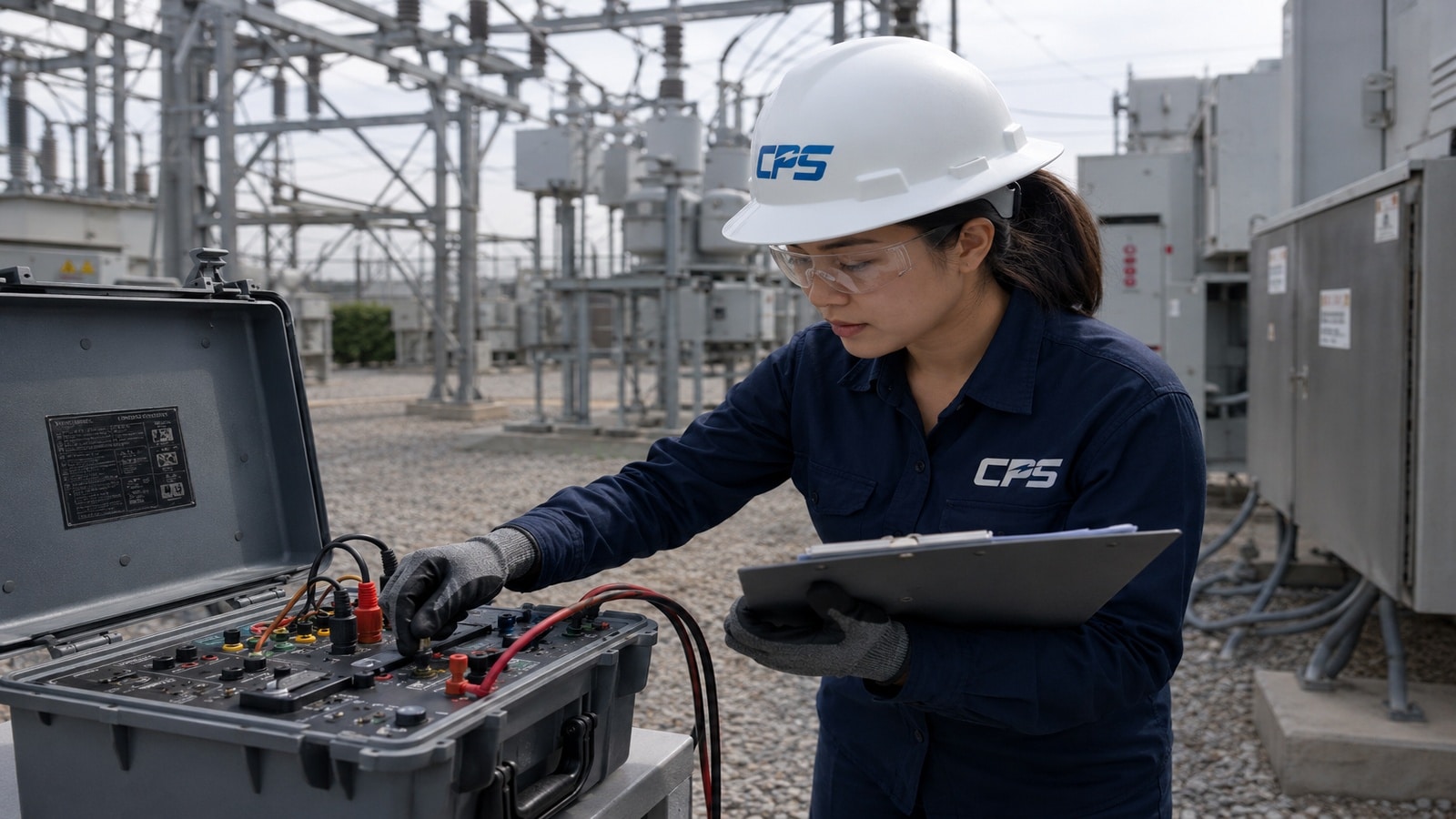
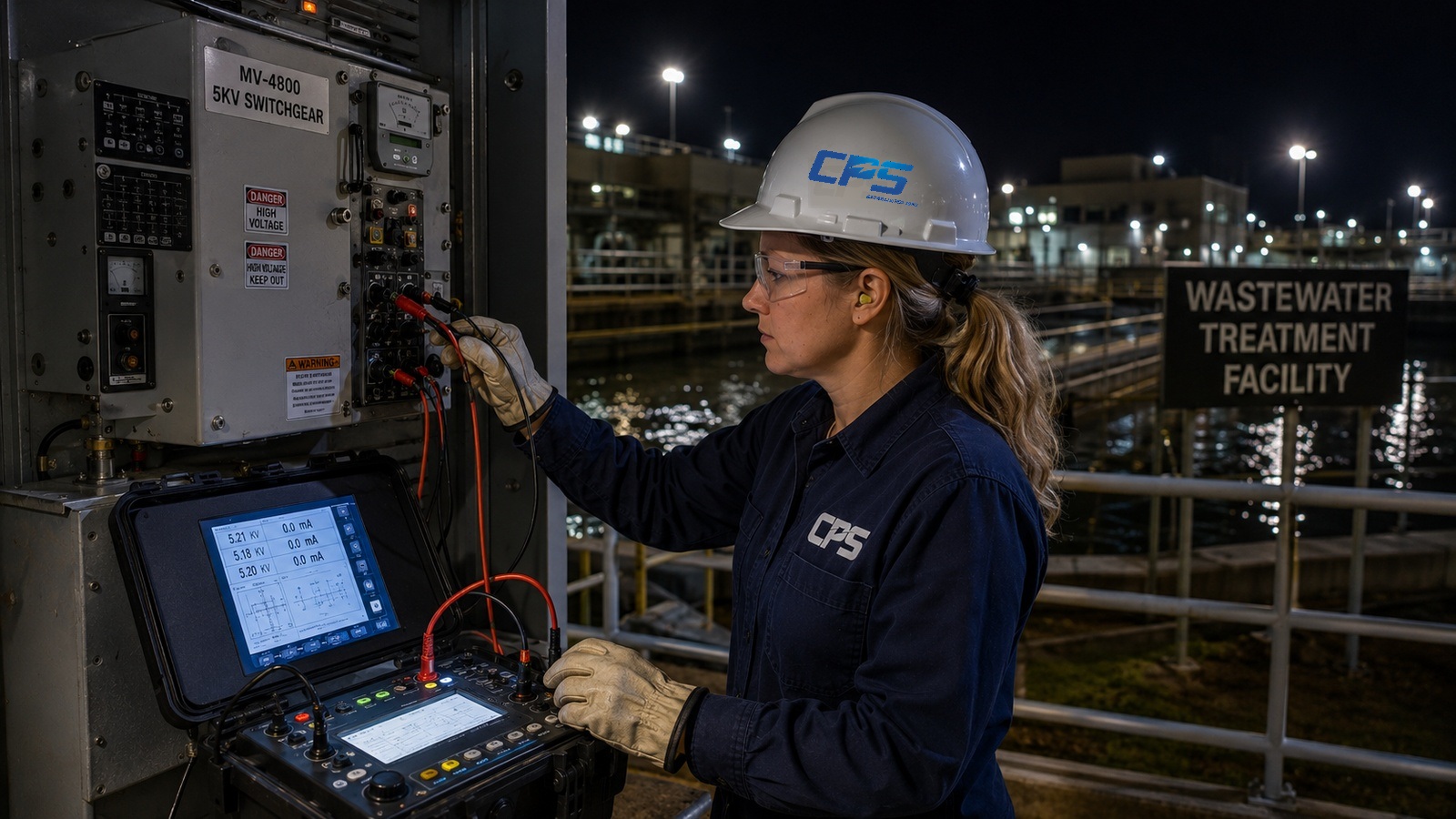
Data centers, utilities, power generation facilities, petrochemical plants, manufacturing operations, transportation systems, and water treatment facilities often have very little tolerance for electrical failures. Startup problems, protection system errors, and equipment malfunctions can create significant operational and financial consequences.
Testing and commissioning services help reduce these risks by providing independent verification that systems perform as intended before they are placed into service. This verification becomes increasingly important as electrical systems become more complex and interconnected.
CPS supports critical infrastructure projects by helping owners, EPC firms, engineers, and operators validate system performance before energization and throughout the operational lifecycle.
Electrical Testing and Commissioning Services for EPC Firms
EPC contractors and consulting engineers face significant pressure to deliver projects on schedule while meeting technical specifications and performance requirements. Testing and commissioning activities often represent the final opportunity to identify and correct issues before project turnover.
Working with a qualified testing and commissioning partner helps reduce project risk while improving startup outcomes. Testing validates equipment performance. Commissioning confirms system functionality. Together, these activities support a smoother transition from construction to operations.
CPS works closely with EPC firms and project stakeholders to help ensure that electrical systems are ready for safe and reliable operation.
Connecting Engineering, Testing, and Operations
Engineering studies establish how a system should perform. Testing verifies that equipment meets those expectations. Commissioning confirms that the complete system operates correctly under real-world conditions. These activities are most effective when viewed as interconnected parts of a larger reliability strategy.
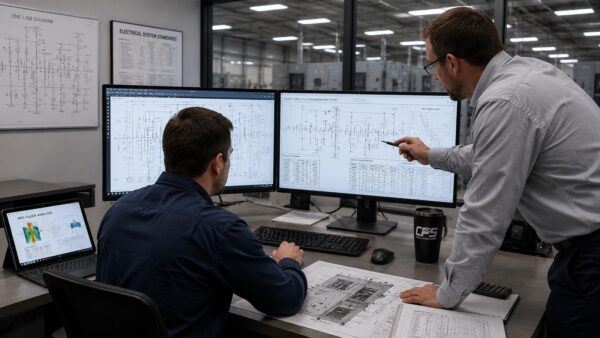
Protection coordination studies, arc flash studies, short circuit studies, relay testing, breaker testing, commissioning activities, and startup support all contribute to overall system performance. When these services are coordinated effectively, facilities gain greater confidence in both equipment condition and operational readiness.
This integrated approach helps improve reliability while reducing startup and operational risk.
Why CPS?
Coastal Power Systems combines electrical testing and commissioning expertise with engineering studies, equipment manufacturing, modernization services, maintenance programs, emergency response capabilities, and lifecycle support. This allows testing and commissioning activities to be performed within the broader context of overall power system performance.
CPS understands that successful testing involves more than generating reports. The ultimate objective is ensuring that electrical systems operate safely, reliably, and efficiently throughout their service life. By combining engineering knowledge with practical field experience, CPS helps customers identify issues, implement corrective actions, and improve long-term reliability.
Whether supporting new construction, facility expansions, modernization projects, or maintenance programs, CPS provides testing and commissioning services focused on reducing risk and improving operational performance.
Custom Power Distribution Manufacturing
Manufacturing experience helps CPS understand how equipment is built, configured, tested, and prepared for reliable field operation.
Critical Infrastructure Expertise
Testing and commissioning services for data centers, utilities, power generation, industrial facilities, and other mission-critical electrical systems.
Engineering, Testing & Commissioning Support
Integrated engineering, field testing, commissioning, troubleshooting, and startup support for complex electrical power systems.
Protection & Control System Integration
Support for protective relays, control circuits, device settings, functional testing, and system verification before energization.
Reliability & Lifecycle Management Focus
Testing recommendations that help improve reliability, document equipment condition, reduce operational risk, and support long-term asset planning.
Modernization & Equipment Life Extension Solutions
Testing and commissioning support for equipment upgrades, retrofits, replacements, and modernization projects involving existing electrical infrastructure.
24/7 Emergency Response & Field Services
Rapid field response, troubleshooting, emergency repairs, and restoration support when reliable power cannot wait.
Explore Our Electrical Testing & Commissioning Services
Whether you are preparing to energize new equipment, modernizing existing infrastructure, validating protection systems, or improving reliability, CPS can help ensure your electrical systems perform as intended. Contact us to discuss your testing and commissioning requirements and learn how comprehensive system verification can improve reliability, reduce risk, and support successful project outcomes.
Frequently Asked Questions
What is NETA testing?
When should electrical equipment be commissioned?
How often should protective relays be tested?
What is the difference between primary injection testing and secondary injection testing?
What electrical tests should be performed before energizing new equipment?
Why is commissioning important for electrical reliability?
Can testing help reduce unexpected outages?
Additional Resources
The following organizations publish widely recognized standards, technical guidance, and industry best practices related to low-voltage power distribution equipment, switchboards, electrical safety, testing, engineering, and equipment design.
- UL Solutions
- National Fire Protection Association (NFPA)
- InterNational Electrical Testing Association (NETA)
- Institute of Electrical and Electronics Engineers (IEEE)
- National Electrical Manufacturers Association (NEMA)
Explore Our Capabilities
Engineering and Design Services
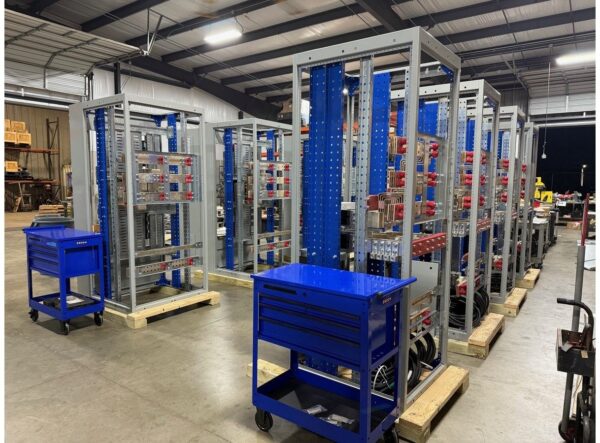
Manufacturing
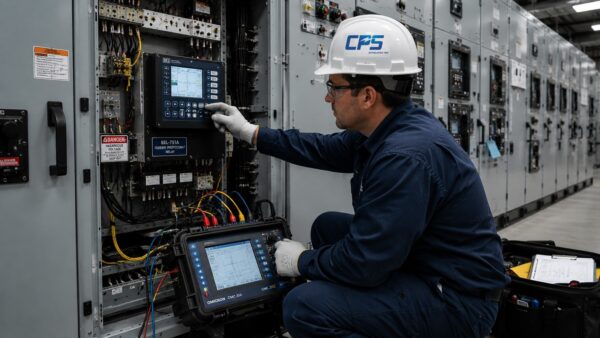
Testing & Commissioning
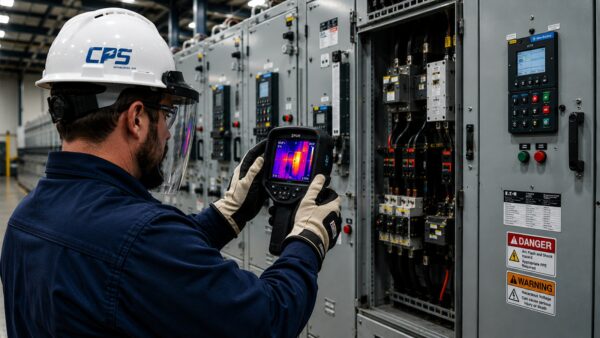
Maintenance and Reliability Services
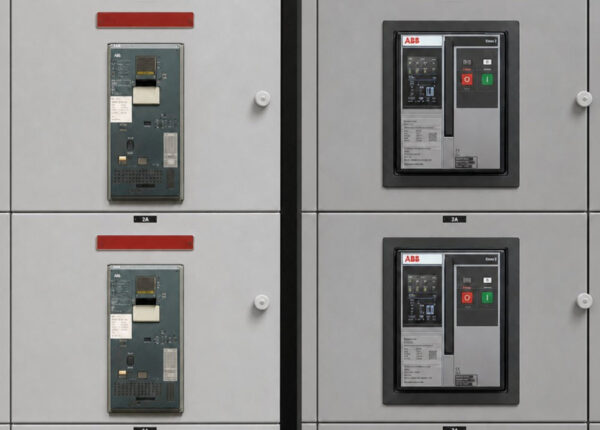
Modernization and Life Extension
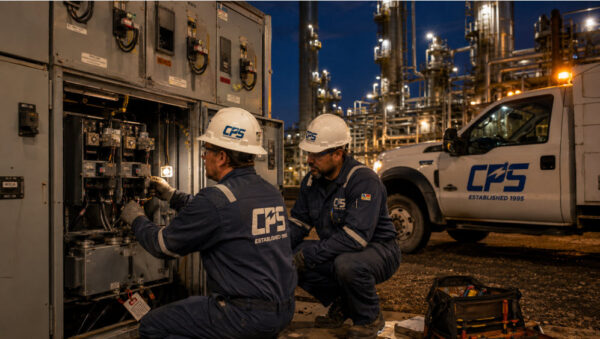
Emergency Response Services for Electrical Power Systems
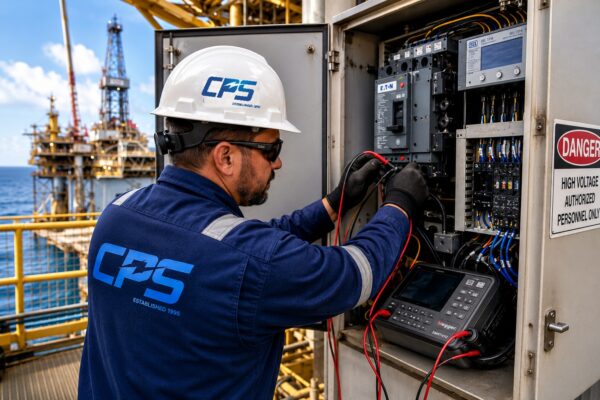
Field Services for Critical Power Infrastructure
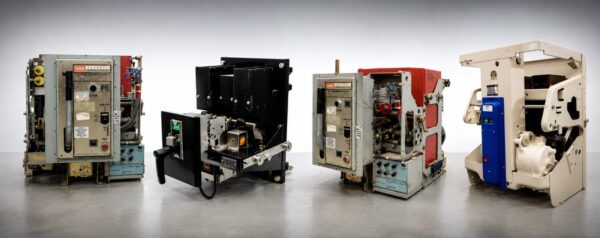
Industrial Circuit Breakers – Sales, Repairs, Retrofits & Parts
We Build What We Sell. We Support What We Build.