ELECTRICAL COMMISSIONING SERVICES
Electrical commissioning services help verify that electrical systems are installed correctly, operating according to design intent, and ready for safe, reliable operation before energization and project turnover.
Electrical Commissioning Services for Safe Startup, Reliable Operation, and Reduced Project Risk
Many electrical projects focus heavily on engineering, procurement, manufacturing, and installation. However, some of the most significant project risks occur during the final stages before a system is energized. A switchgear lineup may have been manufactured correctly, but field wiring errors can still exist. Protective relays may have the correct settings on paper, but communication systems and trip circuits may not function properly. Circuit breakers may be installed correctly, but commissioning may reveal operational issues that would otherwise remain hidden until startup.
Electrical commissioning services are designed to identify and correct these issues before they become outages, equipment failures, safety incidents, or project delays. Commissioning provides a structured process for verifying that equipment, systems, controls, protection schemes, and operational sequences perform according to the engineering design and project requirements.
Coastal Power Systems provides electrical commissioning services for industrial facilities, data centers, power generation plants, utilities, petrochemical operations, manufacturing facilities, and critical infrastructure projects. By combining engineering expertise, testing services, protection system verification, startup support, and field experience, Coastal helps organizations improve confidence in system performance before energization.
Our Electrical Commissioning Services
- Electrical system startup support
- Commissioning planning and coordination
- Switchgear commissioning
- Protective relay verification
- Primary and secondary injection testing
- Control system functional testing
- Breaker and protection system testing
- Transformer commissioning support
- Generator integration testing
- Final acceptance and turnover support
What Are Electrical Commissioning Services?
Electrical commissioning services involve the systematic verification that electrical equipment and systems have been installed correctly, tested properly, configured according to design requirements, and are ready for safe operation. Commissioning serves as the bridge between construction and operation. It validates that the installed system performs as intended before ownership is transferred to operations personnel.
Unlike equipment testing, which focuses on individual components, commissioning evaluates how the entire electrical system functions as an integrated network. This includes switchgear, transformers, protective relays, generators, breakers, control systems, communications networks, interlocks, and operational sequences. The objective is to verify not only that equipment works individually but that all components operate together as intended.
For complex electrical systems, commissioning often represents the difference between a smooth startup and a lengthy troubleshooting process after energization.
Why Electrical Commissioning Matters
Electrical systems have become increasingly sophisticated. Modern facilities often incorporate advanced protection systems, automated transfer schemes, generator controls, communication networks, remote monitoring systems, and intelligent electronic devices. While these technologies improve performance and reliability, they also increase system complexity.
The challenge is that many commissioning issues cannot be identified through visual inspections alone. A communication link may be configured incorrectly. A relay may contain a programming error. A breaker control circuit may not operate properly under specific conditions. A generator synchronization sequence may function incorrectly. These problems often remain hidden until startup unless a structured commissioning process is performed.
Electrical commissioning services help identify these issues before the facility depends on the equipment. This reduces startup risk and improves confidence that the system will operate reliably once energized.
The Cost of Inadequate Commissioning
Project teams sometimes view commissioning as a final checklist activity. In reality, inadequate commissioning can create some of the most expensive problems encountered during a project’s lifecycle. A protection system issue discovered after startup may require an emergency outage. A control system error may delay facility turnover. A relay programming mistake may result in nuisance trips or improper fault clearing.
These problems often occur at the worst possible time. Construction is complete, project schedules are compressed, operations teams are preparing to assume responsibility, and facility owners expect the system to be fully operational. Correcting issues after energization is typically more disruptive and more expensive than identifying them during commissioning.
Comprehensive commissioning helps avoid these situations by validating system performance before the facility enters normal operation.
Electrical Commissioning Versus Electrical Testing
Electrical testing and commissioning are closely related but serve different purposes. Testing focuses on verifying the performance and condition of individual pieces of equipment. Breakers, relays, transformers, cables, and switchgear are evaluated to ensure they meet performance requirements and operate correctly.
Commissioning builds upon these testing activities by evaluating how the equipment functions as a complete system. For example, relay testing may confirm that a relay responds correctly to a simulated fault. Commissioning verifies that the relay communicates properly, activates the correct breaker, coordinates with other protection devices, and performs as intended within the overall system design.
Both activities are necessary. Testing confirms equipment readiness. Commissioning confirms system readiness.
Commissioning and Protection System Verification
One of the most critical aspects of electrical commissioning involves protection system verification. Protective relays, trip units, breaker controls, communication systems, and protection schemes must function correctly under fault conditions. A protection system that appears functional may still contain configuration errors capable of affecting reliability and safety.
Commissioning activities typically include verification of relay settings, communication paths, breaker trip circuits, interlocks, logic functions, protection coordination requirements, and emergency operating sequences. These evaluations help ensure that faults will be detected and isolated correctly when abnormal conditions occur.
Because protection systems directly affect equipment protection and personnel safety, they often receive significant attention during commissioning programs.
Electrical Commissioning for Data Centers
Data centers place extraordinary demands on electrical infrastructure. Uptime requirements often leave little tolerance for startup issues or operational uncertainty. Electrical commissioning plays a critical role in validating redundancy systems, backup power systems, automatic transfer schemes, generator integration, protection systems, and distribution equipment before occupancy.
Commissioning helps verify that normal and emergency operating modes function correctly. Generator startup sequences, UPS integration, transfer switch operation, protection coordination, and control system communication can all be evaluated before the facility begins supporting critical loads.
For data center operators, commissioning is often viewed as an essential risk-reduction activity rather than a project closeout task.
Electrical Commissioning for Industrial and Utility Applications
Industrial facilities and utility operations face different challenges but benefit from the same structured commissioning approach. Manufacturing plants depend on electrical systems to support production. Petrochemical facilities require reliable power for continuous processes. Utilities rely on properly functioning protection systems and distribution equipment to maintain service continuity.
Commissioning helps validate equipment operation before startup and provides assurance that electrical systems will perform as intended under both normal and abnormal operating conditions. In many cases, commissioning also helps establish baseline operational data that supports future maintenance and reliability programs.
How Electrical Commissioning Supports Reliability
Reliability begins before a facility is energized. Many operational problems originate during design, installation, configuration, or startup activities. Commissioning helps identify these issues before they affect production, uptime, or facility operations.
By verifying equipment performance, system functionality, protection schemes, communication networks, and operational sequences, commissioning establishes a stronger reliability foundation. Facilities that invest in comprehensive commissioning often experience fewer startup issues, reduced troubleshooting requirements, and improved long-term system performance.
Commissioning also provides valuable documentation that supports future maintenance programs, engineering studies, troubleshooting efforts, and modernization projects.
Why Coastal Power Systems?
Electrical commissioning services require more than a basic understanding of startup procedures. Successful commissioning requires expertise in power distribution systems, protection systems, testing methods, equipment operation, troubleshooting, and long-term reliability considerations.
Coastal Power Systems combines commissioning capabilities with engineering studies, NETA-guided testing, relay testing, primary and secondary injection testing, switchgear manufacturing, maintenance programs, modernization services, and emergency response support. This broad perspective allows commissioning activities to be evaluated within the context of overall system performance and lifecycle reliability.
Because Coastal supports electrical infrastructure from design through modernization, commissioning recommendations are grounded in practical operational experience rather than simply meeting minimum startup requirements.
Request an Electrical Commissioning Review
Whether you are commissioning a new facility, energizing a switchgear installation, integrating generators, modernizing electrical infrastructure, or preparing for project turnover, electrical commissioning services can help reduce startup risk and improve confidence in system performance.
Frequently Asked Questions
What are electrical commissioning services?
Electrical commissioning services verify that electrical systems are installed correctly, configured properly, tested successfully, and ready for safe operation before energization and project turnover.
Why is electrical commissioning important?
Commissioning helps identify installation issues, configuration errors, protection system problems, and operational deficiencies before they affect facility operations.
What equipment is included in commissioning?
Commissioning may include switchgear, transformers, circuit breakers, relays, generators, motor control centers, communication systems, transfer schemes, and associated control systems.
How is commissioning different from testing?
Testing verifies individual equipment performance. Commissioning verifies that the complete electrical system functions correctly as an integrated system.
Can commissioning improve reliability?
Yes. By identifying issues before startup, commissioning reduces operational risk and helps establish a stronger foundation for long-term reliability.
Additional Information
The following organizations publish widely recognized standards, technical guidance, and best practices related to electrical commissioning, testing, and power system reliability.
Explore Our Capabilities
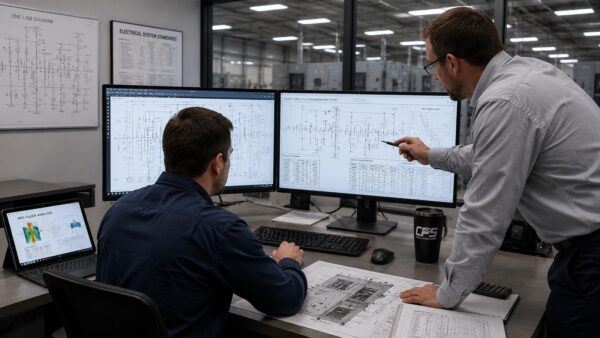
Engineering and Design Services
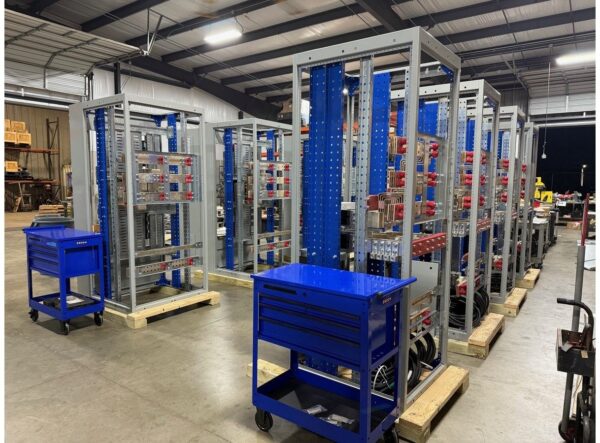
Manufacturing
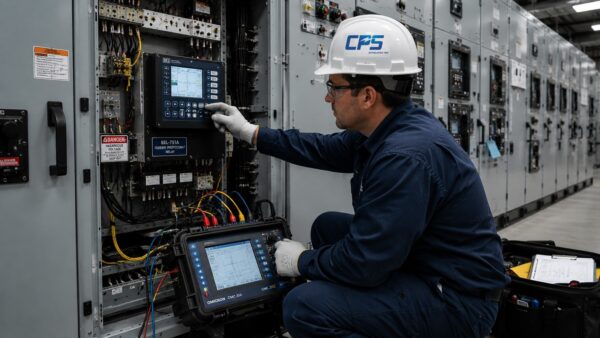
Testing & Commissioning
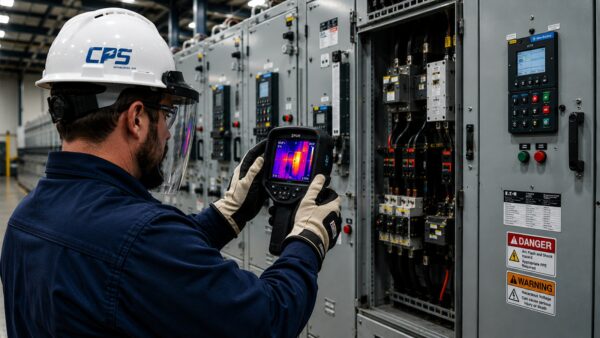
Maintenance and Reliability Services
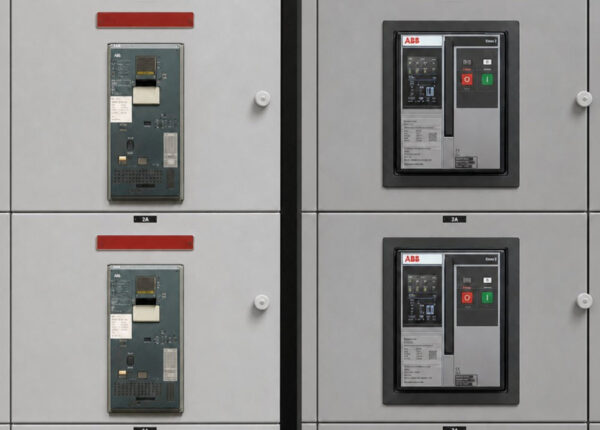
Modernization and Life Extension
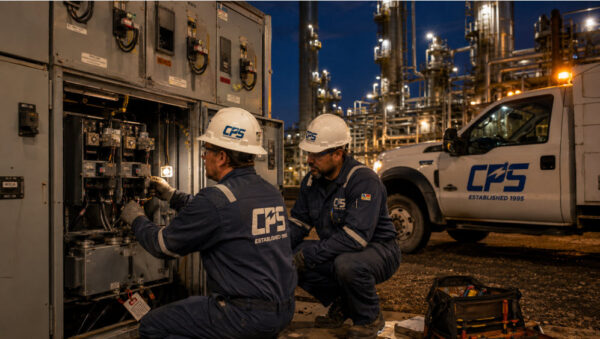
Emergency Response Services for Electrical Power Systems
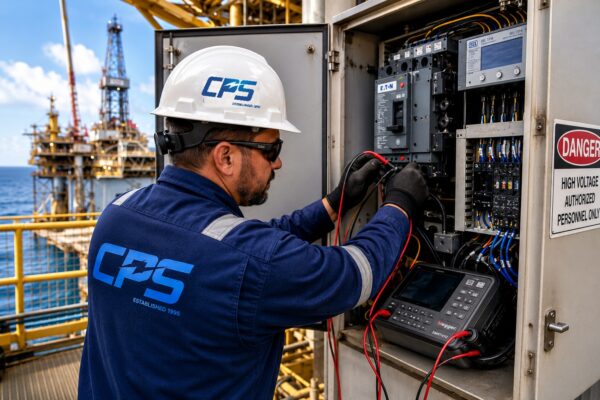
Field Services for Critical Power Infrastructure
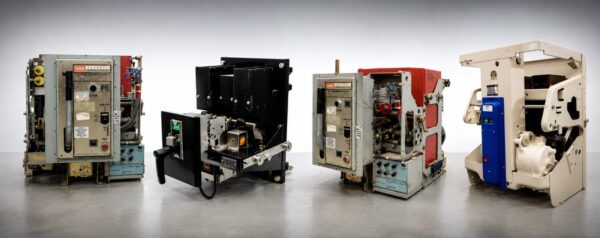
Industrial Circuit Breakers – Sales, Repairs, Retrofits & Parts
We Build What We Sell. We Support What We Build.