NETA-GUIDED TESTING SERVICES
NETA-guided testing services help verify equipment performance, reduce startup risk, identify installation deficiencies, and improve long-term reliability before electrical systems are placed into service.
NETA-Guided Testing Services for Reliable Startup, Commissioning, and Long-Term Electrical System Performance
Electrical equipment failures are often blamed on manufacturing defects, aging infrastructure, or unexpected operating conditions. In reality, many failures can be traced to problems that existed before the equipment was ever energized. Improper installation, shipping damage, loose terminations, incorrect relay settings, contaminated insulation systems, wiring errors, and assembly issues can all remain hidden until the electrical system is placed into operation.
Coastal Power Systems provides NETA-guided testing services for electrical equipment as part of a broader lifecycle approach that includes engineering studies, commissioning, maintenance, modernization, and emergency response support. Rather than treating testing as a standalone activity, Coastal views testing as a critical step in establishing the reliability foundation upon which the electrical system will operate for decades.
Our NETA-Guided Testing Services
- NETA-guided acceptance testing
- Electrical equipment commissioning support
- Switchgear testing
- Circuit breaker testing
- Protective relay testing
- Transformer testing
- Cable testing
- Grounding system verification
- Functional system testing
- Electrical power system startup support
What Are NETA-Guided Testing Services?
NETA-guided testing services involve the inspection and testing of electrical power equipment using procedures based on applicable standards published by the InterNational Electrical Testing Association. These standards provide a structured framework for evaluating the condition and performance of electrical systems before energization and throughout their operational life.
Testing may include switchgear, switchboards, transformers, circuit breakers, protective relays, cables, motor control centers, grounding systems, and associated control equipment. Depending on the project scope, testing can range from acceptance testing of newly installed equipment to maintenance testing of systems that have been operating for years. In both cases, the purpose remains the same: identify hidden issues before they become failures.
Why NETA-Guided Testing Matters Before Energization
Many project teams assume that once electrical equipment arrives on site and is installed, it is ready for service. Field experience often proves otherwise. Electrical equipment may travel long distances before arriving at the jobsite. It may be stored for extended periods, exposed to environmental conditions, handled by multiple contractors, and modified during installation. Each step introduces opportunities for problems to develop.
NETA-guided acceptance testing provides one of the final opportunities to identify these issues before the equipment is energized. Loose bus connections, damaged insulation systems, incorrect wiring, relay setting errors, contaminated components, and assembly problems can often be detected during testing. Discovering these issues before startup is significantly less expensive than discovering them during commissioning or after a failure occurs.
What Problems Can NETA-Guided Testing Identify?
The most valuable testing programs uncover issues that would otherwise remain hidden. Visual inspections alone often fail to identify many of the problems that affect electrical system reliability. Testing can reveal insulation degradation, excessive contact resistance, relay programming errors, grounding deficiencies, breaker performance problems, damaged cables, improper control logic, and equipment defects that are not visible during routine inspections.
In many projects, these findings result in relatively simple corrective actions. In others, testing identifies conditions that could have caused catastrophic equipment damage or major outages if left uncorrected. The financial impact of a single avoided failure often exceeds the cost of the testing program itself.
NETA-Guided Acceptance Testing Versus Maintenance Testing
Many organizations use the term testing broadly, but there are important differences between acceptance testing and maintenance testing. Acceptance testing is typically performed on newly installed equipment before energization. The purpose is to verify that the equipment was installed correctly, complies with project requirements, and is ready to enter service. This testing establishes a baseline against which future performance can be compared.
Maintenance testing is performed after equipment has been operating for a period of time. The objective shifts from installation verification to condition assessment and reliability management. Engineers use maintenance testing to identify deterioration, evaluate equipment health, and determine whether corrective action is necessary. Together, acceptance testing and maintenance testing create a structured approach for managing electrical assets throughout their lifecycle.
The Connection Between Testing and Commissioning
Testing and commissioning are closely related but serve different purposes. Testing focuses on equipment condition and performance. Commissioning focuses on system functionality and operational readiness. A switchgear lineup may successfully pass electrical testing, but commissioning activities are still required to verify control sequences, interlocks, communications systems, protection schemes, and operational procedures.
Because of this relationship, NETA-guided testing often forms the foundation of successful commissioning programs. Testing verifies that the equipment is capable of performing correctly. Commissioning verifies that the entire electrical system operates according to design intent. Facilities that invest in both processes generally experience fewer startup issues, smoother project turnover, and stronger long-term reliability.
How NETA-Guided Testing Improves Reliability
Reliability begins long before the first outage occurs. The decisions made during design, installation, testing, and commissioning directly influence how the electrical system will perform throughout its service life. NETA-guided testing contributes to reliability by identifying deficiencies before they evolve into operational problems. It also establishes baseline performance data that can be used during future maintenance activities.
Years after equipment is commissioned, maintenance personnel can compare new test results against original acceptance testing data. Changes in insulation resistance, breaker performance, contact resistance, and relay operation may indicate developing problems before a failure occurs. This capability supports predictive maintenance programs and helps facilities move away from reactive maintenance practices.
Industries That Benefit Most from NETA-Guided Testing
NETA-guided testing provides value across virtually every industry that depends on reliable electrical power. Data centers rely on testing to verify redundancy systems before occupancy. Utilities use testing to validate substations, switchgear, and protection systems. Power generation facilities depend on testing to support safe startup and ongoing reliability.
Industrial manufacturing plants, petrochemical facilities, refineries, water treatment facilities, and municipal infrastructure operators all benefit from reducing electrical risk before equipment enters service. Although the applications vary, the objective remains consistent: organizations need confidence that their electrical infrastructure will perform when needed.
Why Coastal Power Systems?
NETA-guided testing is most effective when performed within the context of the entire electrical system lifecycle. Coastal Power Systems combines testing and commissioning capabilities with engineering studies, switchgear manufacturing, modernization services, maintenance programs, and reliability initiatives. This broader perspective allows test results to be evaluated in terms of safety, reliability, maintainability, and long-term operational performance.
Because Coastal supports facilities from design through modernization, testing recommendations can be integrated with future engineering studies, maintenance strategies, equipment upgrades, and reliability programs. The result is more than a collection of test reports. It is actionable information that helps facility owners improve system performance, reduce risk, and make informed decisions about their electrical infrastructure.
Request a NETA-Guided Testing Review
Whether you are preparing to energize a new facility, commissioning a switchgear installation, integrating generators, modernizing electrical infrastructure, or establishing a long-term reliability program, NETA-guided testing can help reduce risk and improve confidence in system performance.
Frequently Asked Questions
What is NETA-guided testing?
NETA-guided testing is the inspection and testing of electrical power equipment using procedures based on applicable standards published by the InterNational Electrical Testing Association to verify safety, performance, and operational readiness.
When should acceptance testing be performed?
Acceptance testing is typically performed after installation and before energization to verify that equipment is installed correctly and ready for service.
What equipment is included in NETA-guided testing?
Testing commonly includes switchgear, switchboards, transformers, circuit breakers, relays, cables, motor control centers, grounding systems, and associated power distribution equipment.
Can NETA-guided testing reduce outages?
Yes. By identifying installation issues, equipment defects, and configuration errors before startup, NETA-guided testing helps reduce the likelihood of failures that could lead to outages.
Is NETA-guided testing only for new equipment?
No. NETA-guided testing includes acceptance testing for newly installed equipment and maintenance testing for equipment already in service.
Additional Information
The following organizations publish widely recognized standards, technical guidance, and best practices related to electrical acceptance testing, maintenance testing, commissioning, and electrical safety.
Explore Our Capabilities
Engineering and Design Services
Manufacturing
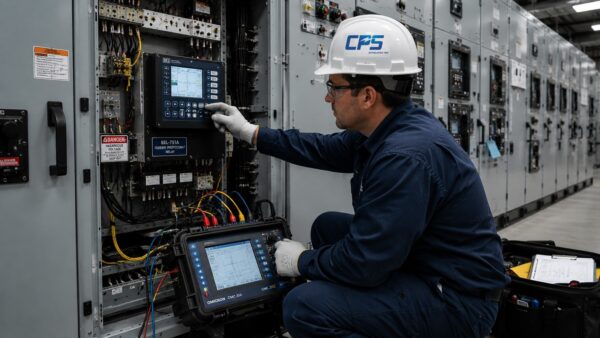
Testing & Commissioning
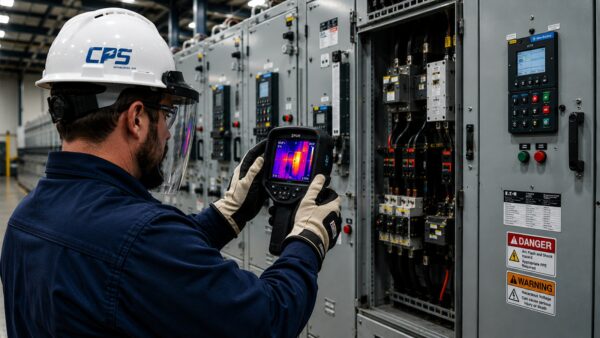
Maintenance and Reliability Services
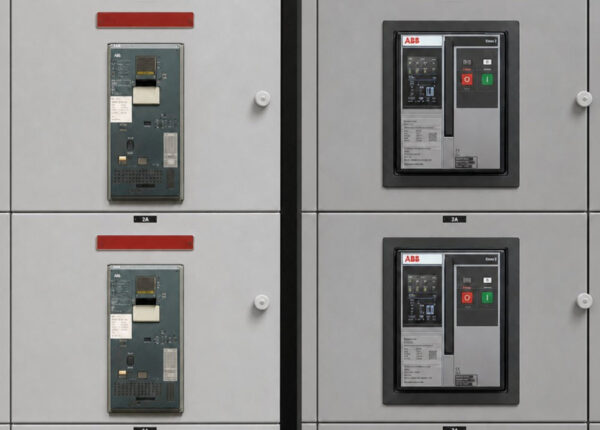
Modernization and Life Extension
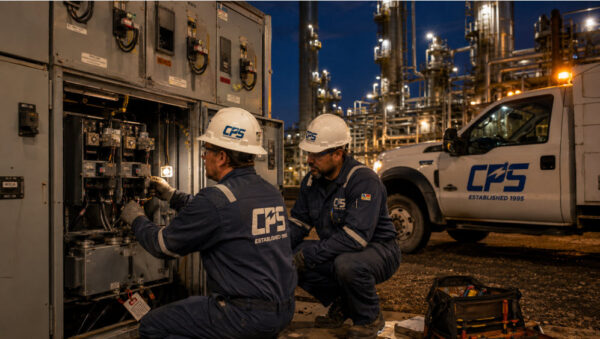
Emergency Response Services for Electrical Power Systems
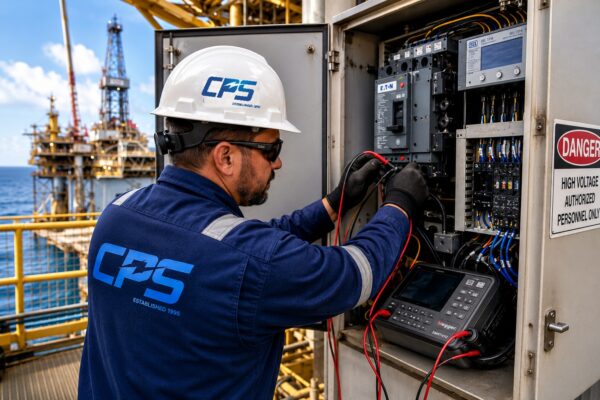
Field Services for Critical Power Infrastructure
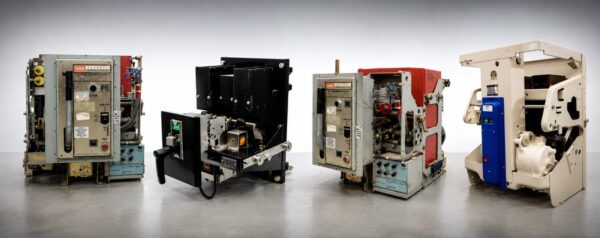
Industrial Circuit Breakers – Sales, Repairs, Retrofits & Parts
We Build What We Sell. We Support What We Build.