MEDIUM VOLTAGE EQUIPMENT TESTING SERVICES
Medium voltage equipment testing services help verify equipment condition, identify hidden defects, support safe commissioning, improve reliability, and reduce the risk of costly failures in critical electrical power systems.
Medium Voltage Equipment Testing Services for Reliable Operation, Safe Energization, and Reduced Failure Risk
Medium voltage electrical systems often represent the backbone of industrial facilities, utilities, data centers, power generation plants, and critical infrastructure operations. Unlike low-voltage equipment, medium voltage assets typically serve large portions of a facility and carry significantly higher consequences when failures occur. A single cable fault, breaker malfunction, insulation failure, or relay problem can affect production, utility service, plant operations, or critical facility uptime.
Even new equipment can develop problems during transportation, storage, installation, or commissioning. Existing equipment faces additional risks associated with aging insulation systems, contamination, moisture intrusion, mechanical wear, thermal stress, and deferred maintenance. Many of these issues remain hidden until a fault occurs.
Coastal Power Systems provides medium voltage equipment testing services for switchgear, circuit breakers, protective relays, transformers, cables, motor control systems, substations, and associated power distribution equipment. These services help facility owners gain confidence that their equipment will operate safely and reliably when placed into service or returned to operation after maintenance activities.
Our Medium Voltage Equipment Testing Services
- Medium voltage switchgear testing
- Circuit breaker testing
- Protective relay testing
- Primary injection testing
- Secondary injection testing
- Transformer testing
- Medium voltage cable testing
- Insulation resistance testing
- Commissioning and acceptance testing
- NETA-guided testing
What Are Medium Voltage Equipment Testing Services?
Medium voltage equipment testing services involve the inspection, measurement, verification, and evaluation of electrical equipment operating above typical low-voltage distribution levels. These tests assess equipment condition, operational performance, protection system functionality, insulation integrity, and overall readiness for service.
Testing activities may be performed during equipment commissioning, preventive maintenance programs, modernization projects, outage work, troubleshooting efforts, or reliability improvement initiatives. Depending on the application, testing can include insulation testing, breaker performance testing, relay verification, cable diagnostics, transformer evaluations, grounding system assessments, and functional system testing.
The objective is to identify problems before equipment is subjected to actual operating conditions where failures become significantly more expensive and disruptive.
Why Medium Voltage Equipment Testing Matters
Many electrical failures begin as relatively small problems. Moisture enters a cable termination. A breaker mechanism becomes sluggish. Insulation gradually deteriorates. Relay settings are configured incorrectly. A transformer develops localized degradation. None of these issues may be obvious during routine operation.
Medium voltage equipment often operates under conditions where hidden defects can remain undetected for extended periods. When the equipment is finally exposed to a fault, switching operation, load increase, or abnormal condition, those hidden defects can quickly become major failures.
Medium voltage equipment testing helps uncover these conditions before they affect operations. Instead of relying on assumptions, facility owners gain objective information about equipment condition and performance, allowing corrective actions to be planned before reliability is compromised.
The Risks of Untested Medium Voltage Equipment
The consequences of medium voltage failures often extend far beyond the affected component. A cable failure can interrupt an entire production area. A breaker malfunction can expose equipment to damaging fault energy. A relay issue can result in unnecessary outages or delayed fault clearing. Transformer failures can require lengthy replacement schedules and significant capital expenditures.
Emergency repairs frequently require expedited parts procurement, overtime labor, and unplanned outages. The total cost of a major failure often exceeds the cost of comprehensive testing many times over.
Medium Voltage Testing During Commissioning
Commissioning is one of the most important phases of the equipment lifecycle. New medium voltage equipment may have been manufactured to specification, but field installation introduces additional variables that must be verified before energization. Shipping damage, wiring errors, improper assembly, contaminated components, and configuration mistakes can all occur between the factory and the jobsite.
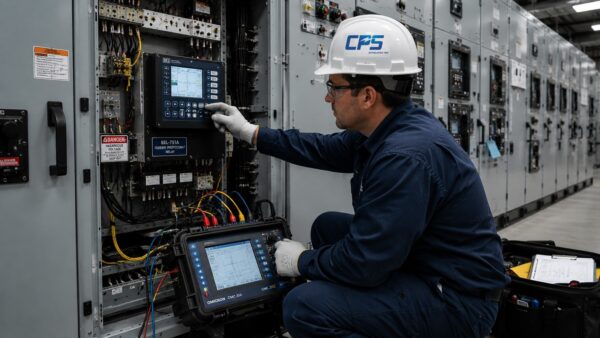
Testing provides critical verification during this phase. Switchgear, breakers, relays, transformers, cables, and associated systems can be evaluated to confirm proper installation and operational readiness before the system enters service.
How Medium Voltage Equipment Testing Supports Reliability
Reliability programs depend on accurate information about equipment condition. Testing provides that information. Rather than relying solely on equipment age or visual inspections, engineers can evaluate actual performance characteristics and identify developing issues before failures occur.
Testing also provides valuable baseline information that supports predictive maintenance, future engineering studies, modernization planning, and long-term asset management.
Medium Voltage Cable Testing
Medium voltage cable systems represent a significant portion of electrical infrastructure risk. Insulation degradation, moisture intrusion, termination issues, installation damage, and aging effects often remain hidden until a fault occurs.
Depending on the application, cable testing may include insulation resistance testing, continuity testing, diagnostic evaluations, and acceptance testing. These activities help determine cable condition and identify problems before service interruptions occur.
Medium Voltage Breaker and Relay Testing
Protection systems are only as effective as the equipment responsible for detecting and clearing faults. Medium voltage breakers and relays must operate correctly during abnormal conditions to protect personnel, equipment, and facility operations.
Breaker testing evaluates mechanical performance, timing characteristics, contact condition, and operational functionality. Relay testing verifies protection settings, logic functions, communication systems, and coordination requirements. Together, these activities help ensure faults are detected and isolated correctly.
Electrical Testing and Asset Management
Testing provides valuable information for long-term asset management decisions. Equipment age alone rarely provides an accurate picture of reliability risk. Testing results help organizations prioritize maintenance activities, evaluate modernization opportunities, plan capital expenditures, and determine when equipment should be refurbished or replaced.
This data-driven approach often leads to better resource allocation, improved reliability, and lower lifecycle costs.
Industries That Benefit Most from Medium Voltage Equipment Testing
Medium voltage equipment testing services benefit utilities, power generation facilities, industrial manufacturing plants, petrochemical operations, refineries, mining operations, transportation systems, municipal infrastructure, water treatment facilities, and data centers. In each of these industries, reliable electrical infrastructure is essential for maintaining continuous operations.
Why Coastal Power Systems?
Medium voltage equipment testing is most effective when supported by broader electrical system expertise. Coastal Power Systems combines testing capabilities with engineering studies, NETA-guided testing, commissioning services, preventive maintenance programs, modernization projects, protective relay testing, and emergency response support.
This integrated approach allows testing results to be evaluated within the context of overall system reliability, operational requirements, equipment condition, and future planning objectives. Rather than simply identifying problems, Coastal helps facility owners develop practical strategies for improving long-term electrical system performance.
Request a Medium Voltage Equipment Testing Review
Whether you are commissioning new equipment, evaluating aging infrastructure, implementing a reliability program, or preparing for a modernization project, medium voltage equipment testing services can help improve confidence in your electrical system.
Frequently Asked Questions
What is medium voltage equipment testing?
Medium voltage equipment testing evaluates the condition, performance, and operational readiness of switchgear, breakers, relays, transformers, cables, and related electrical equipment.
Why is medium voltage testing important?
Testing helps identify hidden defects, improve reliability, support safe commissioning, and reduce the risk of costly equipment failures and outages.
When should medium voltage equipment be tested?
Testing is commonly performed during commissioning, preventive maintenance, modernization projects, equipment upgrades, and troubleshooting activities.
Can testing identify problems before equipment fails?
Yes. Many testing methods identify developing insulation, breaker, cable, or protection issues before they result in failures or outages.
Additional Information
The following organizations publish widely recognized standards, technical guidance, and best practices related to medium voltage equipment testing, electrical reliability, and power system maintenance.
Explore Our Capabilities
Engineering and Design Services
Manufacturing
Testing & Commissioning
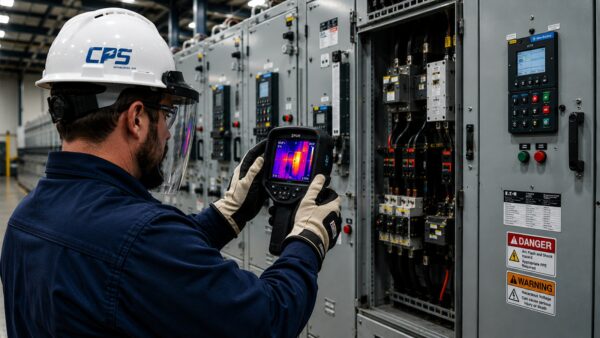
Maintenance and Reliability Services
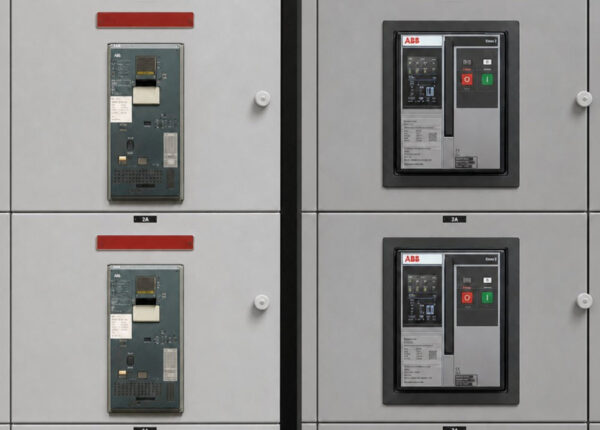
Modernization and Life Extension
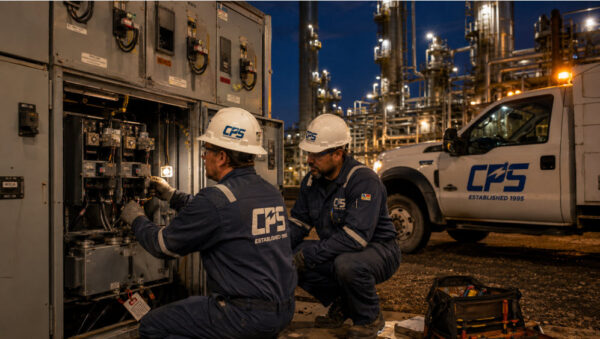
Emergency Response Services for Electrical Power Systems
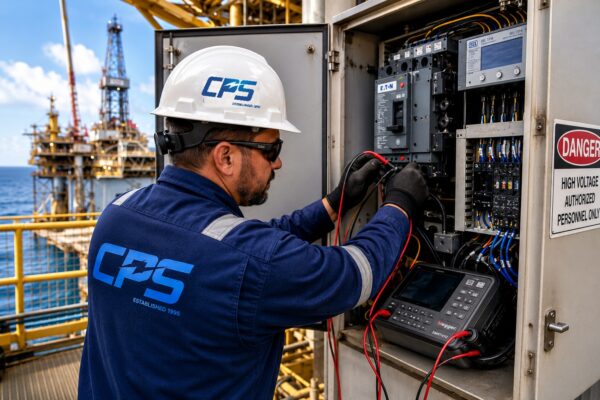
Field Services for Critical Power Infrastructure
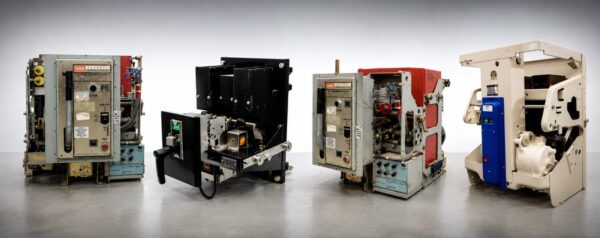
Industrial Circuit Breakers – Sales, Repairs, Retrofits & Parts
We Build What We Sell. We Support What We Build.