SECONDARY INJECTION TESTING SERVICES
Secondary injection testing services verify protective relay operation, confirm protection settings, validate control logic, and help ensure electrical protection systems respond correctly during abnormal operating conditions.
Secondary Injection Testing Services for Protective Relay Verification and Electrical System Reliability
Modern electrical power systems depend heavily on protective relays, electronic trip units, and intelligent protection devices to detect faults and isolate problems before equipment damage or widespread outages occur. These protection systems continuously monitor current, voltage, frequency, ground faults, differential conditions, and other electrical characteristics. When abnormal conditions are detected, protective devices must operate quickly and accurately to protect personnel, equipment, and facility operations.
Secondary injection testing services provide one of the most effective methods available for verifying protective relay performance without introducing high current into the primary electrical system. By injecting simulated electrical signals directly into relays, trip units, and protection devices, engineers can evaluate settings, timing characteristics, logic functions, communications, and operational performance under controlled conditions. This testing allows protection systems to be thoroughly validated before energization and throughout the equipment lifecycle.
Coastal Power Systems provides secondary injection testing services for utilities, industrial facilities, data centers, power generation plants, petrochemical operations, EPC contractors, and critical infrastructure projects. Whether supporting commissioning activities, relay upgrades, protection system maintenance, or troubleshooting efforts, secondary injection testing helps verify that protection systems will perform as intended when actual fault conditions occur.
Our Secondary Injection Testing Services
- Protective relay testing
- Relay setting verification
- Trip unit testing
- Protection scheme validation
- Logic and interlock verification
- Breaker trip circuit testing
- Differential relay testing
- Overcurrent protection testing
- Generator protection testing
- Commissioning and acceptance testing support
What Is Secondary Injection Testing?
Secondary injection testing is a method of verifying protective relay operation by injecting simulated electrical signals directly into the relay or protection device. Instead of introducing high current through the primary conductors, specialized test equipment generates voltage and current signals that replicate actual system conditions. These signals allow engineers and technicians to evaluate how the relay responds under various operating scenarios without energizing the power system.
Because the test signals are applied directly to the relay inputs, secondary injection testing is particularly effective for verifying relay settings, timing characteristics, logic functions, communication systems, and protection algorithms. Modern microprocessor-based relays contain sophisticated protection functions that can only be fully evaluated through comprehensive testing. Secondary injection testing provides a practical and efficient way to validate these functions before the relay is placed into service.
Why Secondary Injection Testing Matters
Protective relays perform a critical role within electrical power systems. Under normal operating conditions, they remain largely invisible to facility personnel. However, when a fault occurs, the relay must make rapid decisions that directly affect equipment protection, system stability, personnel safety, and operational continuity. A relay configured incorrectly may fail to operate when required, operate too slowly, or trip equipment unnecessarily.
Secondary injection testing helps eliminate uncertainty by verifying that relay settings and protection logic match the engineering design. Engineers gain confidence that overcurrent protection, differential protection, ground fault protection, undervoltage functions, frequency protection, and other protective elements will perform as intended. This verification becomes especially important in critical facilities where even a brief outage can have significant operational or financial consequences.
Secondary Injection Testing Versus Primary Injection Testing
Many facilities perform both secondary injection testing and primary injection testing because each method evaluates different aspects of the protection system. Secondary injection testing focuses primarily on the relay itself. Engineers inject simulated signals directly into the relay inputs and evaluate how the relay processes those signals. This approach is ideal for verifying settings, timing curves, logic functions, communications, and protection algorithms.
Primary injection testing evaluates the complete protection path by introducing actual current through the equipment. While primary testing verifies current transformers, sensors, trip units, relays, breaker mechanisms, and associated wiring as a complete system, secondary testing allows engineers to perform a deeper evaluation of the relay’s internal functions. The two methods complement each other and are often used together during commissioning and maintenance programs.
What Problems Can Secondary Injection Testing Identify?
Secondary injection testing frequently uncovers issues that are difficult to identify through visual inspection alone. Engineers often discover incorrect relay settings, configuration errors, communication failures, improper logic programming, timing discrepancies, protection element issues, and control circuit problems. Because modern relays are highly configurable, even minor programming errors can significantly affect system performance.
Protection settings may also drift away from the original engineering design over time. Equipment modifications, facility expansions, relay replacements, and maintenance activities can introduce changes that affect protection performance. Secondary injection testing helps identify these issues before they result in nuisance trips, protection failures, or equipment damage.
In facilities with complex protection schemes, testing often reveals coordination issues between multiple relays that might otherwise remain hidden until an actual fault event occurs.
How Secondary Injection Testing Supports Reliability
Electrical reliability depends heavily on the performance of protection systems. While equipment failures cannot always be prevented, the consequences of those failures can often be minimized when protection systems operate correctly. Secondary injection testing supports reliability by verifying that relays respond according to design intent and that protection settings remain aligned with current system conditions.
Facilities that routinely test protective relays generally experience fewer protection-related outages and are better positioned to identify developing issues before they affect operations. In addition, testing provides documentation that can support maintenance programs, reliability assessments, engineering studies, and future modernization projects. For organizations operating critical infrastructure, this information becomes an important part of long-term asset management strategies.
The Role of Secondary Injection Testing During Commissioning
Commissioning activities often involve complex protection systems that must be verified before energization. New switchgear installations, substation upgrades, generator projects, and modernization efforts frequently include multiple relays with sophisticated protection logic and communications requirements. Verifying these systems during commissioning helps ensure that the electrical infrastructure will perform correctly when placed into service.
Secondary injection testing allows engineers to validate relay operation under simulated fault conditions without exposing equipment to actual fault currents. Protection settings can be verified, trip outputs confirmed, control logic tested, and communication functions evaluated before the system is energized. This process significantly reduces startup risk and helps identify configuration issues that could otherwise delay project completion.
For EPC contractors and facility owners, successful commissioning often depends on the thorough verification of protection systems prior to turnover.
When Should Facilities Perform Secondary Injection Testing?
Secondary injection testing is commonly performed during acceptance testing, commissioning, relay upgrades, protection system modifications, maintenance programs, and troubleshooting activities. Facilities may also perform testing following major outages, system expansions, generator installations, or electrical modernization projects.
Periodic testing is particularly important for facilities operating critical electrical infrastructure. Because protection systems may remain inactive for long periods, routine verification helps ensure that relay settings remain correct and that protection functions continue to operate properly. Testing intervals vary depending on equipment criticality, operating conditions, maintenance strategies, and regulatory requirements.
Industries That Benefit Most from Secondary Injection Testing Services
Secondary injection testing services provide value wherever protective relays play a critical role in system operation. Utilities depend on relay performance to maintain service continuity and protect transmission and distribution infrastructure. Power generation facilities rely on sophisticated protection schemes to safeguard generators, transformers, and associated equipment. Data centers use relay protection to support uptime objectives and protect critical power distribution systems.
Industrial manufacturing facilities, petrochemical plants, refineries, mining operations, water treatment facilities, and transportation infrastructure operators also benefit from relay testing programs that help reduce operational risk. In all of these environments, protection system performance directly affects safety, reliability, and business continuity.
Why Coastal Power Systems?
Secondary injection testing services are most valuable when performed within the broader context of electrical system performance and reliability. Coastal Power Systems combines relay testing capabilities with engineering studies, NETA-guided testing, commissioning support, switchgear modernization, maintenance services, and lifecycle asset management programs. This integrated perspective allows testing results to be evaluated alongside system reliability objectives, protection coordination requirements, and future operational needs.
Because Coastal supports electrical infrastructure throughout its lifecycle, relay testing recommendations can be incorporated into engineering studies, modernization projects, maintenance strategies, and reliability improvement initiatives. The result is actionable information that helps facility owners maintain confidence in their protection systems while reducing operational risk.
Request a Secondary Injection Testing Review
Whether you are commissioning a new protection system, upgrading relays, troubleshooting nuisance trips, or implementing a preventive maintenance program, secondary injection testing services can help verify that your protection systems are configured correctly and operating as intended.
Frequently Asked Questions
What is secondary injection testing?
Secondary injection testing verifies protective relay operation by injecting simulated voltage and current signals directly into the relay, allowing engineers to evaluate settings, timing, logic functions, and protection performance.
Why is secondary injection testing important?
Secondary injection testing confirms that relays are configured correctly and will respond properly during fault conditions, helping improve safety, reliability, and equipment protection.
What is the difference between primary and secondary injection testing?
Secondary injection testing evaluates relay operation directly, while primary injection testing evaluates the complete protection system by introducing actual current through the equipment.
When should protective relays be tested?
Protective relays should be tested during commissioning, after setting changes, during maintenance programs, after major modifications, and periodically throughout their service life.
Can secondary injection testing identify relay programming errors?
Yes. Secondary injection testing is one of the most effective methods available for identifying incorrect relay settings, logic errors, timing issues, and configuration problems.
Additional Information
The following organizations publish widely recognized standards, technical guidance, and best practices related to protective relay testing, electrical equipment testing, and power system reliability.
Explore Our Capabilities
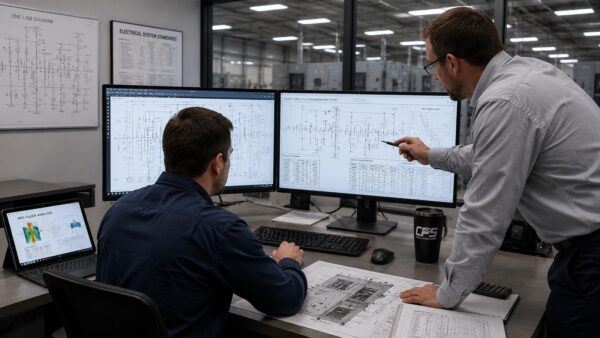
Engineering and Design Services
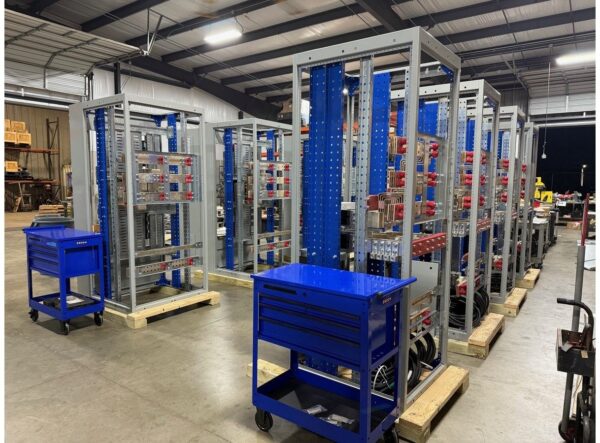
Manufacturing
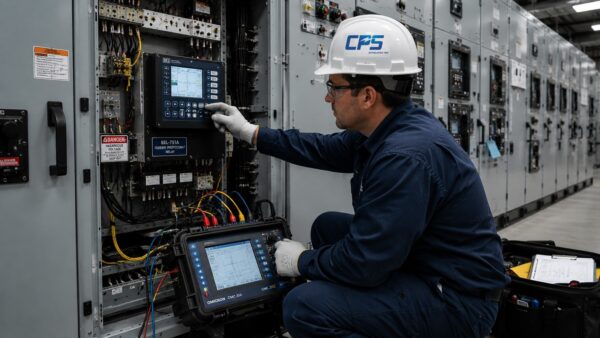
Testing & Commissioning
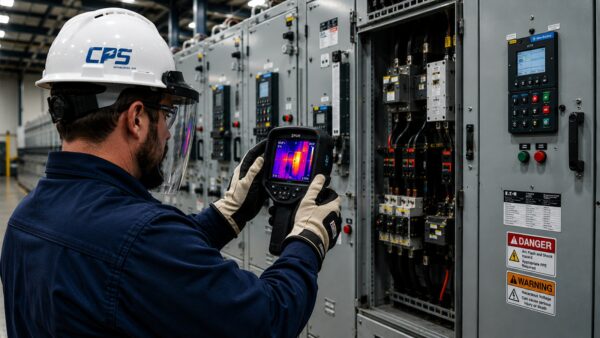
Maintenance and Reliability Services
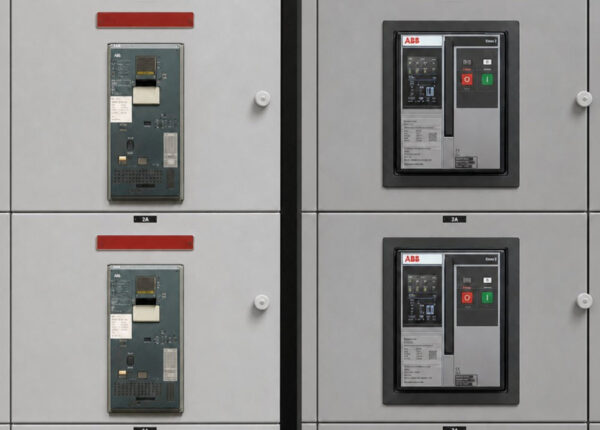
Modernization and Life Extension
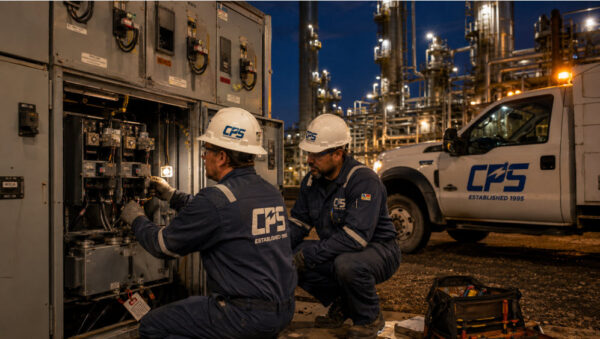
Emergency Response Services for Electrical Power Systems
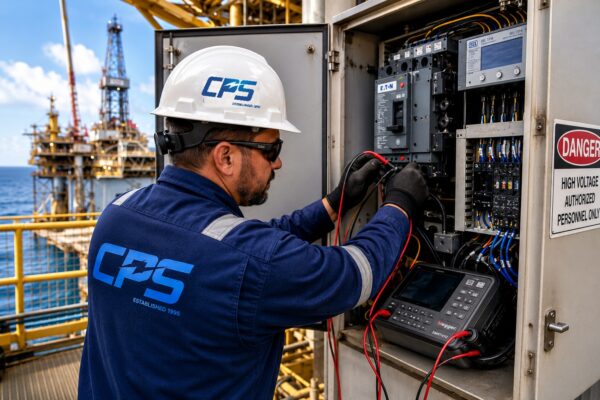
Field Services for Critical Power Infrastructure
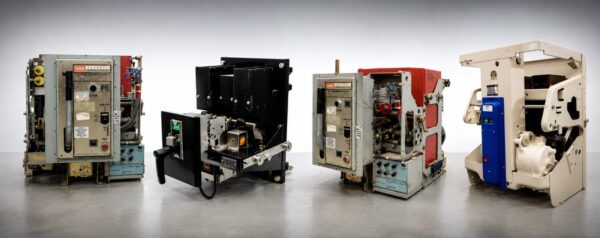
Industrial Circuit Breakers – Sales, Repairs, Retrofits & Parts
We Build What We Sell. We Support What We Build.