ASSET MANAGEMENT SERVICES
Electrical asset management services help facility owners maximize equipment life, improve reliability, prioritize capital spending, reduce operational risk, and make informed decisions about electrical infrastructure investments.
Electrical Asset Management Services for Reliability, Lifecycle Planning, and Risk Reduction
Most organizations can tell you what electrical equipment they own. Far fewer can accurately identify which assets present the greatest operational risk, which assets are approaching end-of-life, or where future reliability problems are most likely to occur. As electrical infrastructure ages, these questions become increasingly important. Switchgear, transformers, breakers, relays, motor control centers, and distribution systems often remain in service for decades. While some assets continue operating reliably, others become sources of increasing risk, maintenance expense, and operational uncertainty.
The challenge is that electrical equipment rarely fails according to a predictable schedule. Some assets perform reliably well beyond their expected life. Others experience problems much earlier due to operating conditions, maintenance history, environmental exposure, or changes in system requirements. Without a structured asset management program, organizations often make decisions reactively, responding to failures after they occur rather than proactively managing risk.
Electrical asset management services provide a framework for understanding equipment condition, evaluating risk, prioritizing maintenance activities, planning modernization projects, and optimizing capital expenditures. Coastal Power Systems helps utilities, data centers, power generation facilities, petrochemical operations, manufacturing plants, municipalities, and critical infrastructure owners develop practical asset management strategies that improve reliability while maximizing the value of existing electrical assets.
Our Electrical Asset Management Services
- Electrical asset condition assessments
- Criticality and risk analysis
- Equipment lifecycle evaluations
- Capital planning support
- Asset health index development
- Modernization and upgrade planning
- Obsolescence management
- Maintenance program optimization
- Reliability improvement strategies
- Electrical infrastructure audits
What Are Electrical Asset Management Services?
Electrical asset management services help organizations evaluate, maintain, and optimize electrical infrastructure throughout its operational lifecycle. Rather than focusing on individual maintenance activities or isolated equipment failures, asset management considers the broader relationship between equipment condition, reliability, risk, operational requirements, maintenance costs, and future capital investments.
The goal is to help facility owners make informed decisions based on data rather than assumptions. Asset management programs typically evaluate equipment age, operating history, maintenance records, condition assessment data, criticality, failure consequences, and future operational requirements. This information helps organizations determine where resources should be allocated to achieve the greatest reliability and operational benefit.
Effective asset management recognizes that not all electrical assets are equally important. A breaker serving a critical production process may require a different strategy than a breaker serving a non-essential load. Asset management helps organizations prioritize investments where they will have the greatest impact.
Why Electrical Asset Management Matters
Electrical infrastructure often represents one of the largest long-term investments within a facility. Replacing switchgear, transformers, substations, motor control centers, and distribution equipment requires significant capital expenditure. At the same time, operating aging infrastructure indefinitely can increase reliability risks, maintenance costs, and operational uncertainty.
Many organizations struggle to determine when equipment should be maintained, modernized, retrofitted, or replaced. Age alone is rarely a reliable indicator. Some 40-year-old equipment continues to operate reliably because it has been maintained properly. Conversely, newer equipment may experience significant problems if maintenance has been neglected or operating conditions are severe.
Electrical asset management services help bridge this gap by providing objective information about equipment condition and risk. Instead of relying on assumptions, facility owners gain a clearer understanding of which assets require immediate attention and which assets can continue operating safely and reliably.
Common Challenges Facing Aging Electrical Infrastructure
Many facilities operate electrical systems that were installed decades ago. While this equipment may continue functioning, aging infrastructure often creates new challenges that extend beyond basic maintenance concerns. Spare parts become difficult to obtain. Original manufacturers discontinue support. Technical expertise becomes harder to find. Safety standards evolve. Operational requirements change.
Obsolescence is one of the most common issues encountered during asset assessments. Equipment may still operate, but critical replacement components may no longer be available. A facility can quickly move from a manageable maintenance issue to a major operational problem if a critical component fails and replacement parts cannot be obtained.
Asset management programs help identify these risks before they become emergencies. By understanding which assets face obsolescence challenges, organizations can develop modernization strategies that reduce long-term risk while avoiding unnecessary equipment replacement.
How Asset Management Supports Reliability
Reliability improves when organizations understand the condition and risk profile of their electrical infrastructure. Asset management provides that visibility. Instead of treating all equipment equally, organizations can focus resources on the assets that present the greatest operational risk.
For example, a condition assessment may reveal that two switchgear lineups are the same age, but one is significantly more critical to operations and exhibits signs of deterioration. Asset management allows decision-makers to prioritize maintenance, upgrades, or replacement efforts based on actual risk rather than equipment age alone.
This approach often leads to more effective use of maintenance budgets while improving overall system reliability. Resources are directed where they will produce the greatest benefit rather than being distributed evenly across all assets regardless of condition or importance.
Asset Management Versus Preventive Maintenance
Preventive maintenance and asset management are closely related, but they are not the same thing. Preventive maintenance focuses on activities designed to maintain equipment condition and prevent failures. Asset management takes a broader view by evaluating how maintenance activities, equipment condition, operational requirements, and capital planning interact over time.
A preventive maintenance program may identify a deteriorating breaker. Asset management helps determine whether that breaker should be repaired, retrofitted, replaced, or incorporated into a broader modernization strategy. Maintenance provides condition information. Asset management uses that information to support strategic decision-making.
Organizations achieve the greatest benefit when preventive maintenance and asset management are integrated into a single reliability-focused program.
The Role of Asset Management in Capital Planning
One of the most valuable benefits of electrical asset management services is improved capital planning. Electrical infrastructure projects often involve significant costs and long planning horizons. Facility owners must decide where limited capital budgets should be allocated to achieve the greatest operational benefit.
Without asset management data, these decisions are often based on age, anecdotal observations, or emergency conditions. Asset management provides a more structured approach. Condition assessments, risk evaluations, and criticality analyses help identify which assets are approaching the point where modernization or replacement becomes justified.
This information allows organizations to plan upgrades proactively rather than responding to failures after they occur. Capital expenditures become more predictable, and reliability improvements can be aligned with broader operational objectives.
Electrical Asset Management for Critical Facilities
Critical infrastructure operators often place particular emphasis on asset management because the consequences of failure can be severe. Data centers rely on electrical infrastructure to support uptime commitments and customer operations. Utilities depend on reliable equipment to maintain service continuity. Power generation facilities require dependable electrical systems to support production and protect major assets.
Petrochemical facilities, manufacturing plants, water treatment facilities, transportation systems, and municipalities face similar challenges. Electrical failures can affect production, public services, environmental compliance, and safety. In these environments, asset management becomes an important component of operational risk management.
Rather than simply maintaining equipment, organizations seek to understand how asset condition affects overall business performance and operational continuity.
How Asset Management Supports Modernization Decisions
Modernization projects often involve difficult decisions. Replacing an entire switchgear lineup may improve reliability, but it may also require substantial capital investment and planned outages. Retrofitting existing equipment may provide a more cost-effective alternative in some situations. Determining the best approach requires an understanding of equipment condition, operational requirements, available support, and long-term risk.
Asset management services help provide this perspective. Engineers can evaluate equipment health, maintenance history, spare parts availability, operational criticality, and modernization options before major decisions are made. This allows organizations to balance reliability objectives with financial realities.
As a result, modernization strategies become more targeted and cost-effective. Organizations can focus investments where they provide the greatest long-term value.
Why Coastal Power Systems?
Electrical asset management services are most effective when supported by real-world experience across the entire electrical infrastructure lifecycle. Coastal Power Systems combines asset management expertise with engineering studies, NETA-guided testing, preventive maintenance programs, switchgear manufacturing, modernization services, commissioning support, and emergency response capabilities.
This broad perspective allows asset management recommendations to be grounded in actual equipment condition, operational requirements, maintenance realities, and modernization opportunities. Rather than simply identifying problems, Coastal helps facility owners develop practical strategies for improving reliability, reducing risk, and maximizing asset value.
Because Coastal supports electrical infrastructure from installation through modernization, asset management becomes part of a larger lifecycle strategy focused on long-term reliability and operational performance.
Request an Electrical Asset Management Review
Whether you are evaluating aging infrastructure, planning modernization projects, improving reliability, or developing a long-term capital strategy, electrical asset management services can help you make informed decisions about your electrical infrastructure.
Frequently Asked Questions
What are electrical asset management services?
Electrical asset management services help organizations evaluate equipment condition, assess risk, prioritize maintenance activities, plan capital expenditures, and optimize electrical infrastructure throughout its lifecycle.
Why is electrical asset management important?
Asset management helps organizations make informed decisions about maintenance, modernization, replacement, and capital planning while reducing operational risk and improving reliability.
What types of equipment are included in asset management programs?
Programs commonly include switchgear, transformers, breakers, relays, motor control centers, substations, switchboards, panelboards, and associated power distribution equipment.
How does asset management differ from preventive maintenance?
Preventive maintenance focuses on maintaining equipment condition, while asset management evaluates how equipment condition, risk, reliability, maintenance, and capital planning interact throughout the asset lifecycle.
Can asset management reduce capital expenditures?
Yes. Asset management helps organizations prioritize investments based on actual equipment condition and risk, allowing capital budgets to be allocated more effectively.
Additional Information
The following organizations publish widely recognized standards, technical guidance, and best practices related to electrical asset management, maintenance planning, and power system reliability.
Explore Our Capabilities
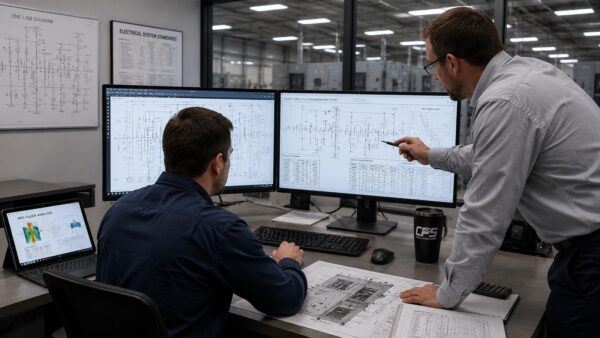
Engineering and Design Services
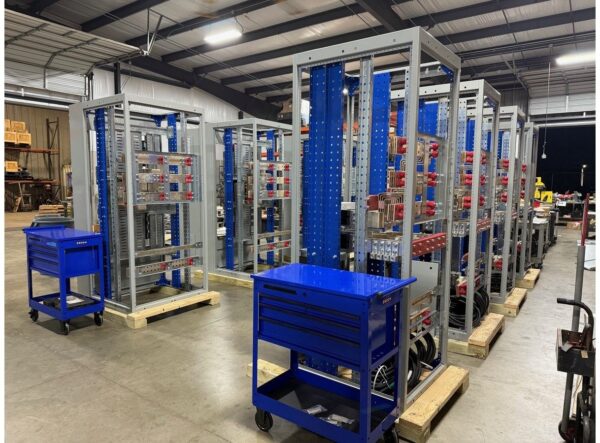
Manufacturing
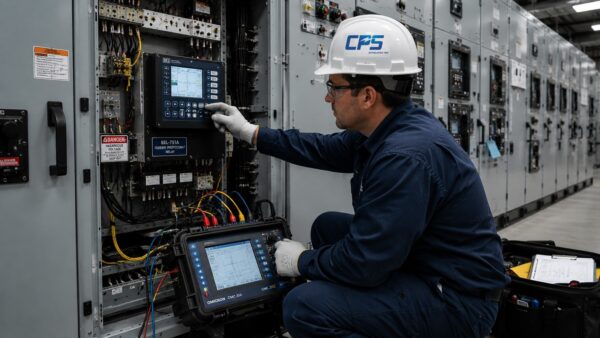
Testing & Commissioning
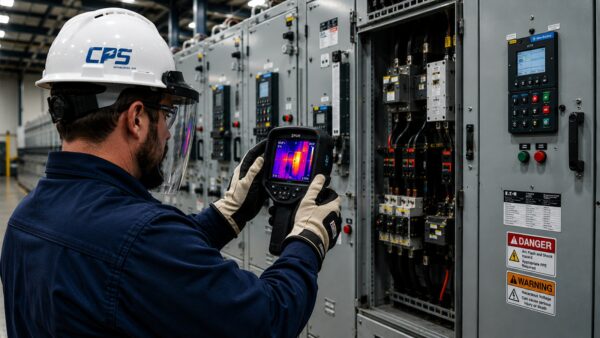
Maintenance and Reliability Services
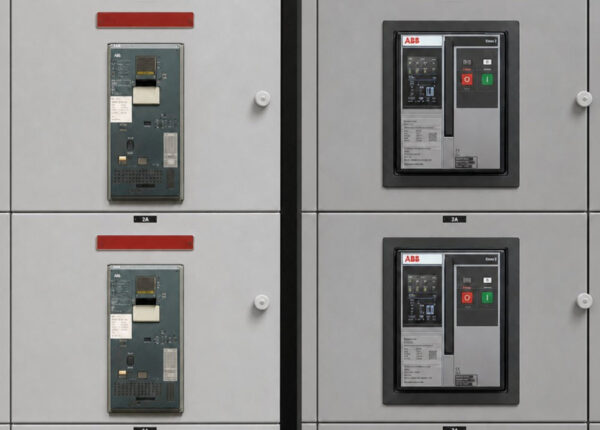
Modernization and Life Extension
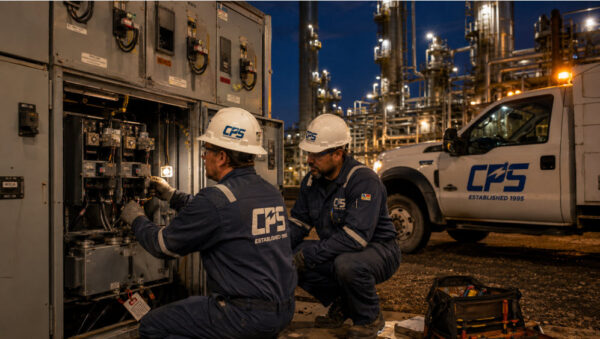
Emergency Response Services for Electrical Power Systems
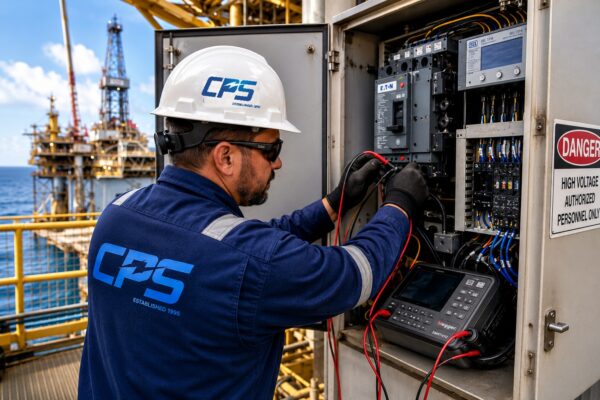
Field Services for Critical Power Infrastructure
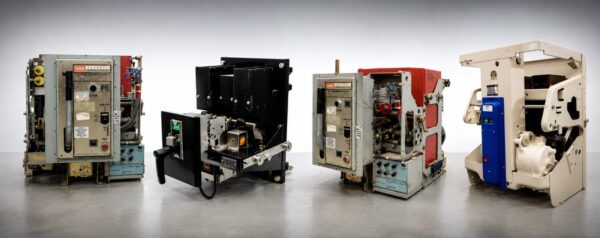
Industrial Circuit Breakers – Sales, Repairs, Retrofits & Parts
We Build What We Sell. We Support What We Build.