PREVENTIVE MAINTENANCE SERVICES
Electrical preventive maintenance services help facilities identify developing problems before failures occur, reduce unplanned downtime, extend equipment life, and improve the long-term reliability of critical power systems.
Electrical Preventive Maintenance Services for Improved Reliability, Safety, and Equipment Life
Most electrical failures do not occur without warning. Loose connections generate heat long before they fail. Insulation systems deteriorate gradually over time. Circuit breakers lose calibration after years of operation. Protective relays drift from their original settings. Environmental contamination accumulates inside switchgear and panelboards. Unfortunately, many facilities discover these issues only after an outage, equipment failure, or safety incident occurs.
Electrical preventive maintenance services are designed to identify these conditions before they affect operations. Rather than waiting for equipment to fail, preventive maintenance programs use inspections, testing, diagnostics, cleaning, calibration, and condition assessments to evaluate equipment health while corrective action is still manageable. The objective is simple: find problems early when they are less expensive, less disruptive, and easier to correct.
Coastal Power Systems provides electrical preventive maintenance services for industrial facilities, utilities, power generation companies, data centers, petrochemical operations, manufacturing plants, and critical infrastructure owners. By combining maintenance services with engineering studies, testing, commissioning, modernization, and emergency response capabilities, Coastal helps organizations reduce operational risk while maximizing the value of their electrical assets.
Our Electrical Preventive Maintenance Services
- Switchgear inspection and maintenance
- Circuit breaker testing and maintenance
- Protective relay testing
- Infrared thermography
- Electrical equipment cleaning
- Torque verification programs
- Transformer inspection and testing
- NETA-guided maintenance testing
- Grounding system inspection
- Electrical asset condition assessments
What Are Electrical Preventive Maintenance Services?
Electrical preventive maintenance services consist of planned activities designed to evaluate, maintain, and improve the condition of electrical equipment before failures occur. These activities typically include inspections, testing, cleaning, lubrication, calibration, adjustments, and repairs that help maintain equipment performance and reliability throughout its service life.
Unlike emergency repairs, preventive maintenance is proactive rather than reactive. Instead of responding after equipment fails, maintenance teams identify developing issues while equipment remains operational. This allows facility owners to schedule repairs during planned outages rather than responding to unexpected failures that may disrupt production, operations, or customer service.
The most effective maintenance programs focus on the equipment that presents the greatest operational risk. Switchgear, circuit breakers, transformers, protective relays, motor control centers, switchboards, panelboards, and associated distribution equipment often receive priority because failures within these systems can affect large portions of a facility.
Why Electrical Preventive Maintenance Matters
Electrical equipment is often expected to operate reliably for decades. However, even the best-designed equipment experiences wear, contamination, thermal cycling, vibration, environmental exposure, and mechanical aging. Over time, these factors gradually affect equipment performance. Without periodic maintenance, small issues can evolve into major failures.
Many organizations underestimate the cost of deferred maintenance because the consequences are not immediately visible. A breaker that has not been exercised for years may still appear functional. A loose electrical connection may continue operating despite excessive heat generation. A relay may appear healthy even though critical settings have been altered. The problem is that these conditions often remain hidden until an abnormal event exposes them.
Preventive maintenance reduces this uncertainty by providing regular insight into equipment condition. Facility owners gain the information needed to make informed decisions about repairs, replacements, upgrades, and future capital planning.
Common Causes of Electrical Equipment Failure
Understanding why electrical equipment fails helps explain the value of preventive maintenance. One of the most common causes of failure is poor electrical connections. Loose terminations increase resistance, generate heat, accelerate component degradation, and may eventually result in equipment damage. Infrared inspections frequently identify these conditions before visible damage occurs.
Environmental contamination is another common issue. Dust, moisture, chemical contaminants, and airborne particles can accumulate inside electrical equipment and reduce insulation performance. In industrial environments, contamination often contributes to tracking, overheating, corrosion, and insulation failure.
Mechanical deterioration also plays a significant role. Circuit breakers contain moving components that require periodic inspection, adjustment, and lubrication. Springs weaken, contacts wear, mechanisms accumulate contamination, and operating tolerances change over time. Without maintenance, equipment may fail to operate properly when needed most.
How Preventive Maintenance Improves Reliability
Reliability is rarely achieved through equipment selection alone. It is achieved through the combination of proper design, quality installation, testing, maintenance, and operational practices. Preventive maintenance helps sustain reliability by identifying developing problems before they affect system performance.
For example, infrared thermography may identify a loose connection before it causes an outage. Breaker testing may reveal mechanical issues before a protection failure occurs. Relay testing may identify setting discrepancies before a fault event challenges the protection system. Each of these findings allows corrective action to occur under controlled conditions rather than during an emergency.
The result is fewer unplanned outages, improved equipment performance, greater operational predictability, and a more reliable electrical distribution system.
The Financial Impact of Deferred Maintenance
Many facilities postpone maintenance because equipment appears to be operating normally. Unfortunately, this approach often creates larger costs later. Emergency repairs typically cost more than planned maintenance because they involve unplanned labor, expedited parts procurement, production interruptions, overtime expenses, and operational disruption.
In some cases, the failure of a relatively inexpensive component can damage much larger pieces of equipment. A neglected circuit breaker issue may result in switchgear damage. A loose connection may damage bus systems or transformers. An improperly functioning relay may allow a fault to escalate beyond its original scope.
Preventive maintenance helps avoid these situations by identifying issues before they create secondary damage. While maintenance programs require investment, many organizations find that the cost is significantly lower than the financial consequences of major electrical failures.
Electrical Preventive Maintenance for Critical Facilities
Certain industries place especially high value on preventive maintenance because the cost of downtime is exceptionally high. Data centers depend on continuous power availability to support customer operations and service-level commitments. Utilities require reliable electrical infrastructure to maintain service continuity. Power generation facilities rely on electrical systems to support production and protect critical assets.
Petrochemical facilities, refineries, manufacturing plants, water treatment facilities, transportation systems, and healthcare facilities face similar challenges. Electrical failures can affect production, environmental compliance, public services, and worker safety. In these environments, preventive maintenance is often viewed as a reliability strategy rather than simply a maintenance activity.
Condition-Based Maintenance Versus Time-Based Maintenance
Modern maintenance programs increasingly combine traditional preventive maintenance with condition-based maintenance strategies. Time-based maintenance follows a predetermined schedule regardless of equipment condition. While this approach remains valuable, it may result in unnecessary maintenance activities or fail to identify rapidly developing issues.
Condition-based maintenance uses inspections, testing, thermography, and diagnostic data to evaluate actual equipment condition. Maintenance activities can then be prioritized based on risk rather than calendar intervals alone. This approach often improves resource utilization while providing a more accurate picture of equipment health.
Many facilities achieve the best results by combining both strategies within a comprehensive asset management program.
How Electrical Preventive Maintenance Supports Asset Life Extension
Replacing electrical infrastructure is expensive. Many facilities operate switchgear, transformers, and distribution equipment that represent significant capital investments. While all equipment eventually reaches the end of its useful life, preventive maintenance can help extend service life by addressing deterioration before it accelerates.
Routine inspections, testing, cleaning, lubrication, calibration, and repairs help maintain equipment performance and reduce unnecessary wear. In many cases, well-maintained equipment remains reliable for years beyond its original expected service life. This allows organizations to defer capital expenditures while continuing to operate safely and reliably.
Preventive maintenance also provides valuable condition data that supports modernization planning and future asset replacement decisions.
Why Coastal Power Systems?
Electrical preventive maintenance services are most effective when maintenance activities are connected to broader reliability objectives. Coastal Power Systems combines maintenance services with engineering studies, NETA-guided testing, commissioning, modernization programs, switchgear manufacturing, and emergency response support. This allows maintenance findings to be evaluated within the context of overall system performance and long-term operational goals.
Because Coastal supports electrical infrastructure throughout its lifecycle, maintenance recommendations can be integrated with reliability initiatives, engineering studies, modernization planning, and capital improvement programs. The result is actionable information that helps facility owners reduce risk, improve reliability, and maximize the value of their electrical assets.
Request an Electrical Preventive Maintenance Review
Whether you are developing a new maintenance program, evaluating aging electrical infrastructure, preparing for a facility expansion, or looking to improve reliability, electrical preventive maintenance services can help reduce risk and improve long-term system performance.
Frequently Asked Questions
What is electrical preventive maintenance?
Electrical preventive maintenance consists of planned inspections, testing, cleaning, calibration, and maintenance activities designed to identify and correct issues before equipment failures occur.
Why is preventive maintenance important for electrical equipment?
Preventive maintenance helps reduce unplanned outages, improve reliability, extend equipment life, enhance safety, and lower the overall cost of electrical system ownership.
What equipment should be included in a preventive maintenance program?
Programs commonly include switchgear, circuit breakers, transformers, relays, motor control centers, switchboards, panelboards, grounding systems, and other critical electrical assets.
How often should electrical preventive maintenance be performed?
Maintenance intervals vary depending on equipment type, operating conditions, criticality, manufacturer recommendations, and facility reliability objectives.
Can preventive maintenance reduce downtime?
Yes. By identifying developing problems before failures occur, preventive maintenance helps facilities avoid many of the outages associated with unexpected equipment failures.
Additional Information
The following organizations publish widely recognized standards, technical guidance, and best practices related to electrical maintenance, equipment testing, and reliability programs.
Explore Our Capabilities
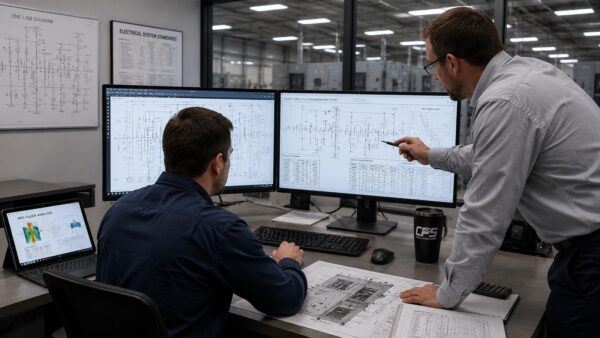
Engineering and Design Services
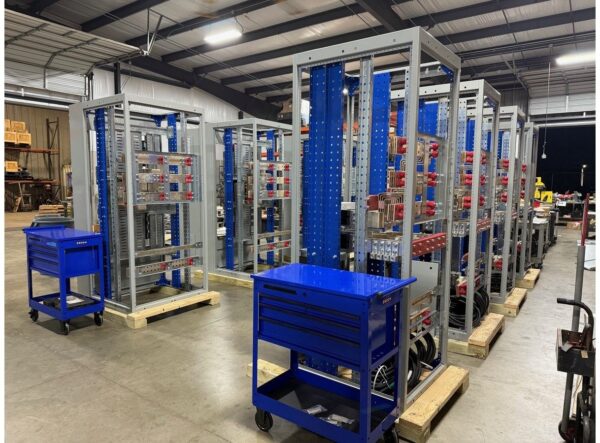
Manufacturing
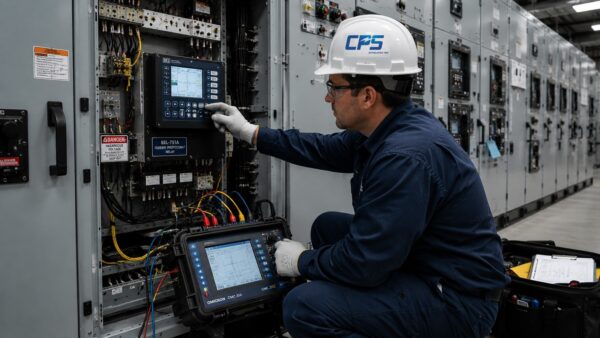
Testing & Commissioning
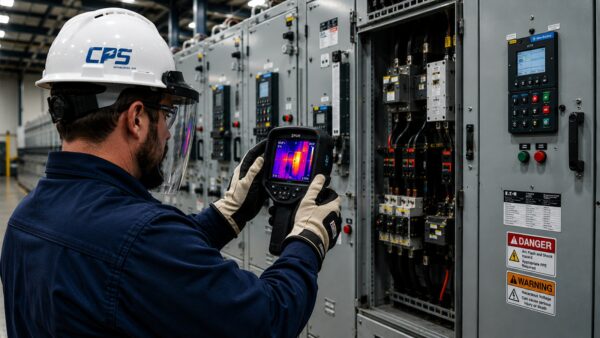
Maintenance and Reliability Services
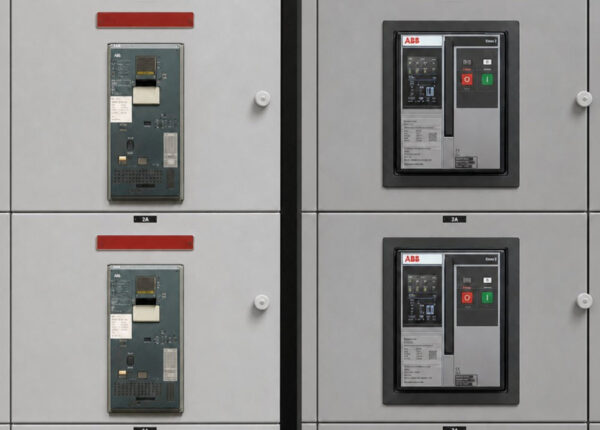
Modernization and Life Extension
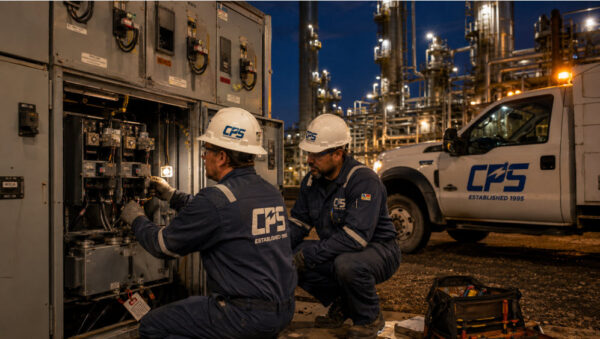
Emergency Response Services for Electrical Power Systems
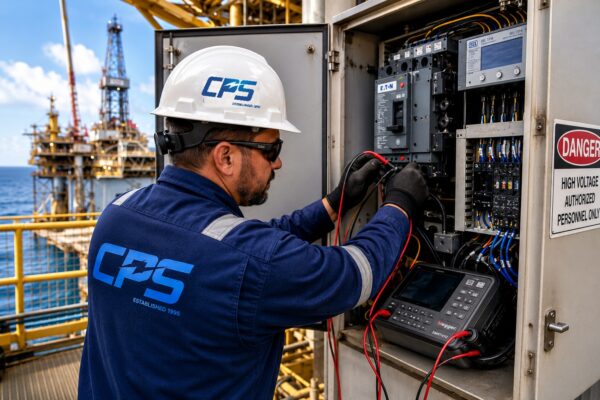
Field Services for Critical Power Infrastructure
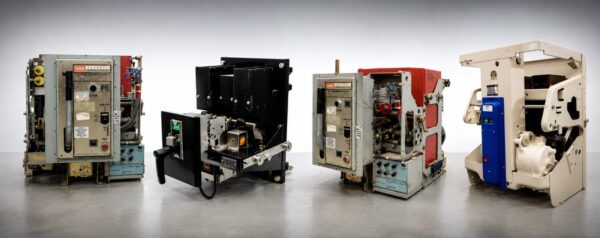
Industrial Circuit Breakers – Sales, Repairs, Retrofits & Parts
We Build What We Sell. We Support What We Build.