INFRARED THERMOGRAPHY SERVICES
Electrical infrared thermography services help identify overheating electrical components before failure occurs, allowing facilities to reduce downtime, improve safety, extend equipment life, and strengthen reliability programs.
Electrical Infrared Thermography Services for Early Fault Detection and Improved Reliability
Most electrical failures begin long before equipment stops working. Loose connections, overloaded conductors, deteriorating insulation, unbalanced loads, failing breakers, and high-resistance connections often generate heat months or even years before a failure occurs. Unfortunately, these conditions frequently remain hidden because the equipment continues operating normally. By the time visible damage appears, the problem may have already progressed to the point where repairs become costly, disruptive, or potentially dangerous.
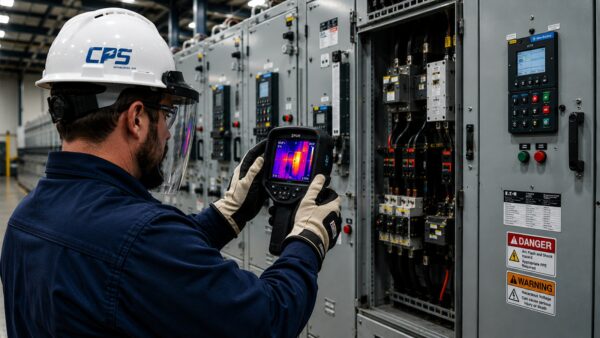
Electrical infrared thermography services provide a non-invasive method for identifying these hidden issues while equipment remains energized and operating under normal load conditions. Using specialized thermal imaging technology, trained technicians can identify abnormal heat patterns that indicate developing electrical problems. This allows corrective action to be scheduled before the condition results in equipment damage, unplanned downtime, safety incidents, or costly emergency repairs.
Coastal Power Systems provides electrical infrared thermography services for industrial facilities, utilities, data centers, power generation facilities, petrochemical plants, manufacturing operations, and critical infrastructure. As part of a comprehensive reliability and maintenance strategy, thermographic inspections help facility owners gain visibility into electrical equipment condition without disrupting operations or requiring unnecessary shutdowns.
Our Electrical Infrared Thermography Services
- Switchgear thermal inspections
- Switchboard thermal inspections
- Panelboard thermal inspections
- Circuit breaker thermal analysis
- Transformer thermal inspections
- Motor control center thermography
- Bus system thermal imaging
- Electrical distribution system surveys
- Preventive maintenance thermographic programs
- Reliability-focused thermal assessments
What Are Electrical Infrared Thermography Services?
Electrical infrared thermography services use thermal imaging technology to detect temperature differences within electrical equipment while it remains energized and under load. Every electrical component generates some level of heat during normal operation. However, abnormal temperatures often indicate conditions that require investigation. Thermal imaging cameras allow technicians to identify these abnormal heat signatures quickly and safely without direct contact with energized equipment.
The resulting thermal images provide a visual representation of temperature distribution throughout the electrical system. Engineers and maintenance personnel can use this information to identify overheating connections, overloaded circuits, failing components, phase imbalances, deteriorating insulation systems, and other developing issues. Because thermal inspections can be performed while equipment remains in service, they provide valuable diagnostic information without interrupting operations.
Why Electrical Infrared Thermography Matters
One of the greatest challenges in electrical maintenance is that many problems remain hidden until failure occurs. A loose connection inside a switchgear lineup may not be visible during routine inspections. An overloaded circuit breaker may continue operating despite elevated temperatures. A deteriorating bus connection may function normally while gradually generating more heat with each passing month.
Electrical infrared thermography helps reveal these hidden conditions. Instead of waiting for equipment failure, maintenance teams can identify abnormal heat patterns early and investigate the root cause before the condition worsens. This proactive approach allows repairs to be scheduled during planned maintenance windows rather than emergency outages.
For facilities where downtime affects production, revenue, customer service, or public infrastructure, the ability to identify developing issues before failure occurs can provide substantial operational and financial benefits.
What Problems Can Infrared Thermography Identify?
Infrared inspections are particularly effective at identifying issues that generate heat. One of the most common findings is loose electrical connections. As resistance increases at a connection point, heat generation increases. Left uncorrected, these conditions can damage conductors, terminals, breakers, bus systems, and associated equipment.
Thermography also helps identify overloaded circuits, phase imbalances, deteriorating breaker contacts, transformer loading issues, bus connection problems, and abnormal equipment operating conditions. In many facilities, thermal imaging reveals problems that would not be detected through visual inspections alone.
Because thermal anomalies often develop gradually, early detection provides maintenance teams with valuable time to plan corrective action. Instead of responding to an unexpected failure, facilities can schedule repairs based on actual equipment condition and operational priorities.
How Infrared Thermography Supports Reliability Programs
Reliability programs are most effective when they identify problems before equipment performance is affected. Infrared thermography supports this objective by providing a practical method for monitoring equipment condition under real operating conditions. Rather than relying solely on time-based maintenance schedules, facilities can use thermal inspection data to prioritize maintenance activities based on actual risk.
For example, a thermal survey may identify one breaker operating at significantly higher temperatures than similar breakers under comparable loading conditions. While the breaker may still function normally, the elevated temperature indicates a developing issue that warrants investigation. Correcting the problem before failure occurs improves reliability and helps prevent more costly repairs.
Many organizations incorporate thermographic inspections into broader reliability programs that also include NETA-guided testing, preventive maintenance, engineering studies, and condition-based maintenance initiatives.
Electrical Infrared Thermography Versus Traditional Inspections
Traditional visual inspections remain an important part of electrical maintenance programs, but they have limitations. Many electrical defects occur inside enclosures or develop in ways that are not immediately visible. A connection can generate excessive heat while appearing normal during a visual inspection. A circuit breaker may exhibit abnormal operating temperatures without showing external signs of deterioration.
Infrared thermography complements traditional inspections by providing information that cannot be observed with the naked eye. Thermal imaging allows technicians to evaluate equipment condition based on operating temperatures rather than appearance alone. This additional layer of diagnostic information helps improve maintenance decisions and increases the likelihood of identifying developing issues before they affect operations.
The combination of visual inspections and thermographic analysis often provides a more complete understanding of equipment health than either method alone.
Why Electrical Thermography Is Valuable for Critical Facilities
Certain industries place exceptional value on thermographic inspections because the cost of downtime is extremely high. Data centers depend on continuous electrical availability to support customer operations and service-level commitments. Utilities require reliable infrastructure to maintain service continuity. Power generation facilities rely on electrical equipment to support generation assets and protect critical systems.
Petrochemical facilities, refineries, manufacturing plants, transportation systems, healthcare facilities, and water treatment operations face similar challenges. Electrical failures can affect production, public services, environmental compliance, and worker safety. In these environments, thermal imaging becomes more than a maintenance tool. It becomes part of a broader risk management and reliability strategy.
How Often Should Electrical Infrared Thermography Be Performed?
The appropriate inspection frequency depends on equipment criticality, operating conditions, environmental factors, maintenance history, and facility reliability objectives. Critical facilities often perform thermographic inspections annually or more frequently for key assets. Equipment operating under heavy loads or harsh environmental conditions may require more frequent monitoring.
Facilities should also consider performing infrared inspections following major electrical modifications, equipment upgrades, load increases, or significant operational changes. These events can alter thermal conditions and create new risks that may not be immediately apparent through conventional inspections.
The goal is not simply to generate thermal images. The goal is to establish a trend that allows engineers and maintenance personnel to identify changes in equipment condition over time.
Electrical Infrared Thermography and Asset Life Extension
One of the most overlooked benefits of thermography is its contribution to asset life extension. Excessive heat accelerates insulation deterioration, damages electrical contacts, degrades conductor connections, and reduces equipment life. By identifying and correcting heat-related issues early, facilities can reduce unnecessary stress on electrical equipment.
Over time, this helps preserve equipment condition and supports longer service life. For facilities operating aging switchgear, transformers, breakers, and distribution equipment, extending asset life can significantly reduce capital expenditures while maintaining acceptable reliability levels.
Thermal inspection data also supports modernization planning by helping organizations identify which assets require immediate attention and which assets remain suitable for continued service.
Why Coastal Power Systems?
Electrical infrared thermography services are most valuable when inspection findings are evaluated within the broader context of electrical system reliability. Coastal Power Systems combines thermographic inspections with engineering studies, NETA-guided testing, preventive maintenance programs, commissioning services, modernization projects, and lifecycle asset management support.
This integrated approach allows thermal findings to be translated into practical recommendations that support safety, reliability, maintainability, and long-term operational objectives. Because Coastal works with facilities throughout the electrical asset lifecycle, thermographic inspections become part of a larger strategy focused on reducing risk, improving reliability, and maximizing equipment value.
Request an Electrical Infrared Thermography Review
Whether you are implementing a preventive maintenance program, evaluating aging electrical infrastructure, improving facility reliability, or seeking better visibility into equipment condition, electrical infrared thermography services can help identify hidden risks before they become costly failures.
Frequently Asked Questions
What is electrical infrared thermography?
Electrical infrared thermography uses thermal imaging technology to identify abnormal heat patterns in energized electrical equipment, helping detect developing problems before failure occurs.
What types of electrical problems can thermography identify?
Thermography can identify loose connections, overloaded circuits, phase imbalances, deteriorating breaker contacts, transformer issues, bus connection problems, and other heat-related electrical conditions.
Can infrared inspections be performed while equipment is energized?
Yes. One of the primary advantages of infrared thermography is that inspections can often be performed while equipment remains energized and operating under normal load conditions.
How often should electrical thermographic inspections be performed?
Inspection frequency depends on equipment criticality, operating conditions, maintenance history, and reliability objectives. Many facilities perform inspections annually as part of their preventive maintenance programs.
Can infrared thermography reduce downtime?
Yes. By identifying developing problems before failure occurs, thermography helps facilities schedule repairs proactively and reduce the likelihood of unexpected outages.
Additional Information
The following organizations publish widely recognized standards, technical guidance, and best practices related to infrared thermography, predictive maintenance, and electrical reliability.
Explore Our Capabilities
Engineering and Design Services
Manufacturing
Testing & Commissioning
Maintenance and Reliability Services
Modernization and Life Extension
Emergency Response Services for Electrical Power Systems
Field Services for Critical Power Infrastructure
Industrial Circuit Breakers – Sales, Repairs, Retrofits & Parts
We Build What We Sell. We Support What We Build.