Industrial Circuit Breakers – Sales, Repairs, Retrofits & Parts

INDUSTRIAL CIRCUIT BREAKERS

Hard-to-find, obsolete, new, and reconditioned industrial circuit breakers backed by expert repair, refurbishment, testing, and modernization services for industrial facilities, utilities, data centers, power generation plants, and EPC projects.


Low Voltage Industrial Circuit Breakers

CPS is your specialist for new and reconditioned industrial circuit breakers. With decades of experience, Coastal Power Systems knows virtually every circuit breaker down to lock washer sizes and contact pressure ranges. With the help of our technicians and technical sales staff, CPS consults with you to determine whether your insulated case should be:

  • Repaired
  • Reconditioned or Restored
  • Replaced
  • Upgraded to a New Retrofit or Retrofill

For all New and Reconditioned Circuit Breakers our certified technicians will perform primary injection testing, function testing of all devices and accessories, and an overall visual inspection prior to shipping. This ensures that your breaker is ready to plug and play upon arrival.

Each breaker will be shipped with a Power DB generated test report and secondary wiring diagram upon request. These may also be supplied to the customer electronically.
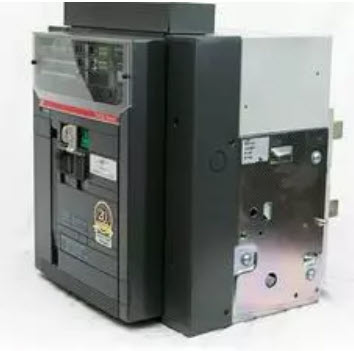

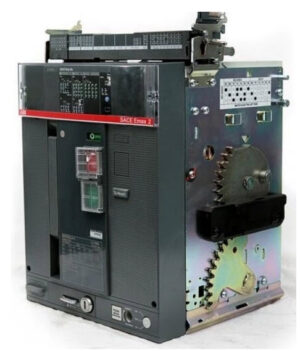
Insulated Case Circuit Breaker
#image_title

Insulated Circuit Breakers

Insulated Case Circuit Breakers are molded-case breakers using a glass-reinforced insulating material, such as fiberglass for dielectric strength. In addition, they have a push-to-open button, rotary/ratchet-operated low torque handles with independent spring-charged mechanism providing quick connect/quick disconnect operation.

Insulated Case Applications

The Coastal Power Systems team has expertise in a wide range of systems that incorporate insulated case circuit breakers. We recognize that each system might have its own unique designs that allow it to work with the original circuit breakers installed. These systems include Ross Hill, NOV, GE (both Salem and Houston designs), GE Microdrill, IPs, Main-Tie-Main configurations, Communication and Zone Interlocking Scheme, Kirk Key Protected Schemas, and countless others.


Molded Case Circuit Breakers
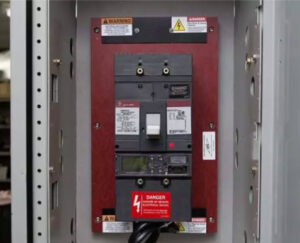
Molded Case Circuit Breaker
#image_title

For all new and reconditioned molded case circuit breakers, Coastal Power Systems will provide a test report. Each breaker will undergo CPS’ Primary Injection Testing, Function Testing of all devices, and Visual/Quality Inspection. Every Molded Case Circuit Breaker leaves our facility with a minimum 12 Month Warranty and Power DB generated Test Reports. Electronic copies of these reports will be available upon request.


Zone Interlocking

Zone interlocking improves selective coordination by allowing the circuit breaker closest to a fault to trip first while preventing unnecessary operation of upstream breakers. This helps minimize the extent of power outages and improves overall system reliability.

Bluetooth Communication

Bluetooth connectivity allows authorized personnel to communicate wirelessly with compatible trip units for configuration, diagnostics, monitoring, and maintenance activities without opening energized equipment.

Solid-State Protection

Solid-state trip units use electronic current sensing and microprocessor-based protection to detect overloads, short circuits, and ground faults with greater accuracy, flexibility, and reliability than traditional thermal-magnetic trip mechanisms.

Molded Case Circuit Breakers are characterized as a breaker that employs spring operated, stored-energy mechanisms for quick connect/quick disconnect manual or electrical operation to make or break the flow of electricity. Unlike air or vacuum type, molded case circuit breakers utilize insulation as a barrier to the disruption of the flow of electricity. Molded Case circuit breakers can be used in various applications that include small compact areas, switchboards, motor control center buckets and various other locations.

For all new and reconditioned molded case circuit breakers, Coastal Power Systems will provide a test report. Each breaker will undergo CPS’ Primary Injection Testing, Function Testing of all devices, and Visual/Quality Inspection. Every Molded Case Circuit Breaker leaves our facility with a minimum 12 Month Warranty and Power DB generated Test Reports. Electronic copies of these reports will be available upon request.

Coastal Power Systems also can provide hard to find parts and devices for all Molded Case Circuit Breakers.
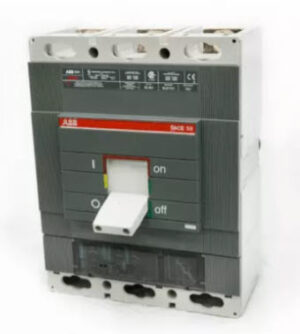
Molded Case Circuit Breaker
#image_title

These parts include:

  • Electric Operators
  • Shunt Trips
  • Under Voltage Releases
  • Auxiliaries
  • Operator Handles
  • Lug Kits
  • Plug-In Mounting Assemblies
  • Trip Units
  • Other Replacement Components

Molded Case Technology

CPS understands the customer’s growing need for smaller more compact circuit breakers, without giving up appropriate protections. We gladly offer Molded Case Circuit Breaker Solutions that provide:

  • Solid State Protection
  • Arc Flash Reduction Capabilities
  • Blue Tooth interaction
  • Metering and Communications
  • Zone Interlocking
  • Compact Frame Size
  • Remote Operating Capabilities


Air Frame Circuit Breakers

Coastal Power Systems works with all major manufacturers to provide our customers with the latest available Air Frame Circuit Breakers. We also stock a large inventory of Low Voltage and Medium Voltage Air Frame Circuit Breakers and devices. Check out the brands we partner with below for Air Frames.

Air Frame Circuit Breakers are characterized as a breaker that employs spring operated, stored-energy mechanisms for quick connect/quick disconnect manual or electrical operation to make or break the flow of electricity. Unlike insulated or vacuum type circuit breakers, Air Frames utilize air gaps as an insulation barrier from the disruption of the flow of electricity. Air Frame circuit breakers can be used in various applications that do not warrant protection from outside contaminants such as significant amounts of dust, dirt, metal particles etc.

Air Frame Components

Coastal Power Systems also can provide hard to find parts and devices for all Air Frame Circuit Breakers. The parts include:

  • Programmers
  • Electric Operators
  • Shunt Trips
  • Under Voltage Releases
  • Bell Alarms
  • Close Coils
  • Auxiliaries
  • Any additional hard to find parts

Geared Toward Safety

Coastal Power Systems has the knowledge of upcoming trends such as switching from older “Iron-Clad Switchgear” Air Frame Circuit Breakers to newer more compact “Insulated Case” Air Frame Circuit Breakers. The new industry standard is:

  • Solid State Protection
  • Arc Flash Reduction Capabilities
  • Blue Tooth interaction
  • Metering and Communications
  • Zone Interlocking
  • Compact Frame Size
  • Remote Operating Capabilities


Our Manufacturing Partners

ABB Logo GE Logo Schneider Electric Logo Eaton Logo Toshiba Logo Siemens Logo


Medium Voltage Circuit Breakers

With industries now increasing the need for more production, performance, and power, while decreasing space usage and safety hazards, the need for medium voltage products is on the rise. Changing technology such as vacuum bottles and smaller breakers/contactors with greater withstand ratings has allowed industries to take advantage of smaller designs with increased production.

Air Type

Coastal Power Systems has been a trusted OEM air frame circuit breaker supplier since 1995. We work with all major manufacturers, including GE, Siemens, ABB, Eaton, Square D, and Toshiba, to stock new and reconditioned low-voltage air frame circuit breakers for power utilities, manufacturing facilities, data centers, mining operations, and renewable energy projects.

Whether you need a single unit quickly or a long-term supply partner, CPS provides the product, technical expertise, and support needed to keep your electrical system operating reliably.
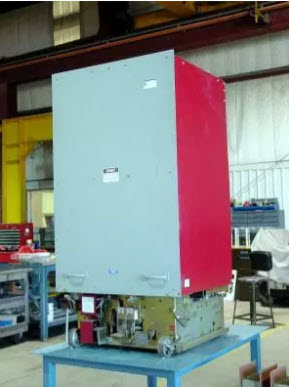
Industrial air frame circuit breaker in an electrical equipment workshop.
#image_title

Vacuum Type

Coastal Power Systems offers servicing, retrofitting, replacement, and supply solutions for vacuum circuit breakers to support reliable medium-voltage system performance.

If you manage a medium-voltage power system in an industrial plant, manufacturing facility, mining operation, commercial complex, or critical infrastructure facility, vacuum circuit breakers may perform much of the system protection required to interrupt electrical faults safely.

Vacuum circuit breakers use a sealed vacuum chamber to extinguish the electrical arc when the contacts separate. This technology provides fast, clean interruption without oil or insulating gas. VCBs are compact, dependable, and generally require less maintenance over their operating life than many older breaker technologies.

As an OEM vacuum circuit breaker supplier, Coastal Power Systems has serviced and retrofitted vacuum circuit breakers since 1995. CPS carries new and reconditioned units for major OEM brands, including GE, Siemens, Eaton, ABB, Square D, and Toshiba.

CPS also provides repair services and custom-designed retrofit solutions when a direct replacement is unavailable or when modernization offers a better long-term solution.
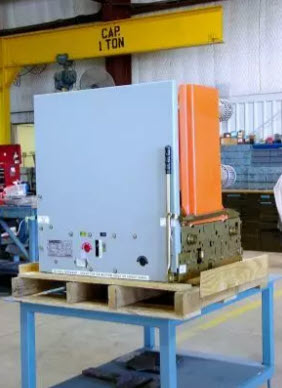
Industrial vacuum circuit breaker used in a medium-voltage electrical power system.
#image_title

Field Services

Coastal Power Systems provides on-site testing, inspection, commissioning, maintenance, and troubleshooting services for medium-voltage relays, current transformers (CTs), contactors, and circuit breakers. Our experienced field technicians have a wide variety of certification and credentials and can support planned maintenance outages, emergency response, and commissioning projects at industrial facilities, utilities, power generation plants, data centers, and on- or offshore operations throughout North America and select international locations. Equipped with portable testing equipment and specialized tools, CPS is prepared to respond quickly when reliable field support is needed.

Parts and Repair

Coastal Power Systems maintains an extensive inventory of medium-voltage circuit breaker and contactor parts, replacement components, and repair services. Our service facility is equipped to inspect, test, repair, and refurbish medium-voltage breakers and contactors using procedures based on applicable ANSI/NETA standards. Typical turnaround for testing and certification is one to two business days, and our experienced technicians can often locate hard-to-find replacement parts and devices for obsolete and legacy equipment.


Reconditioned Medium-Voltage Circuit Breakers

Many facilities continue to operate dependable medium-voltage equipment that is no longer manufactured or supported by the original equipment manufacturer. Coastal Power Systems helps customers extend the service life of these assets by supplying professionally reconditioned medium-voltage circuit breakers and contactors that have been inspected, tested, and prepared for reliable operation. CPS also supports customers transitioning to newer technologies while maintaining compatibility with existing electrical systems.

Coastal Power Systems offers reconditioned medium-voltage circuit breakers and contactors from leading manufacturers, including:

ABB

  • ADVAC
  • V-MAX

GE

  • POWERVAC
  • SECOVAC

Siemens

  • SION
  • 3AH4
  • 3AH47
  • 3AH5
  • 3AH3

Cutler-Hammer

  • VCP-W


New, Reconditioned and Remanufactured Circuit Breaker Replacement Parts

Maintaining reliable electrical equipment often depends on the availability of quality replacement parts. Coastal Power Systems supplies new, reconditioned, and remanufactured replacement components for low- and medium-voltage circuit breakers, helping customers repair existing equipment, replace worn or obsolete components, and extend the service life of critical power infrastructure.
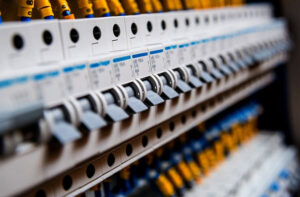
Circuit Breaker Devices & Accessories
#image_title

Whether supporting routine maintenance, equipment refurbishment, modernization projects, or emergency repairs, CPS works with customers to identify compatible replacement parts that improve system reliability, safety, and long-term performance. Our extensive inventory includes hard-to-find and obsolete components for many legacy circuit breakers that are no longer supported by the original manufacturer.

From individual replacement devices to complete breaker renewal programs, Coastal Power Systems provides the parts, technical expertise, and responsive support needed to keep electrical distribution systems operating safely and reliably. Contact our technical sales team to discuss your application or request a quotation.

Circuit Breaker Devices & Accessories

Coastal Power Systems maintains an extensive inventory of new, reconditioned, and obsolete circuit breaker devices and accessories to support maintenance, repairs, modernization projects, and emergency replacement needs. With decades of inventory development and product knowledge, CPS supplies components for molded case, insulated case, air frame, and medium-voltage circuit breakers from all major manufacturers.

Our inventory includes many hard-to-find and discontinued parts that are no longer readily available through original equipment manufacturers. Whether you need a single replacement device or components for a complete breaker refurbishment, CPS can help identify the correct part for your application.

In addition to supplying replacement components, Coastal Power Systems designs and manufactures custom aftermarket solutions to meet unique customer requirements. Our engineering and manufacturing capabilities include custom Kirk Key assemblies, interlock systems, mounting hardware, and other specialized circuit breaker accessories designed to integrate with existing electrical equipment.


Available Replacement Components

Coastal Power Systems maintains an extensive inventory of replacement components for current and obsolete circuit breakers. Our inventory includes the following parts and accessories:

Accessories & Trip Devices

  • Shunt trips
  • Under-voltage releases (UVR)
  • Auxiliary switches
  • Bell alarms
  • Electric operators
  • Remote close devices
  • Neutral CTs
  • Trip units and programmers
  • Rating plugs
  • Second shunt trips

Circuit Breaker Components

  • Current transformers (CTs)
  • Movable contacts
  • Stationary contacts
  • Arcing contacts
  • Operating mechanisms
  • Escutcheons
  • Pole units
  • Handle operators
  • Back plates
  • Carriage assemblies
  • Primary and secondary disconnects
  • Substructures and cradle assemblies
  • Shutter assemblies
  • Many other replacement parts


Trip Unit Retrofit Kits
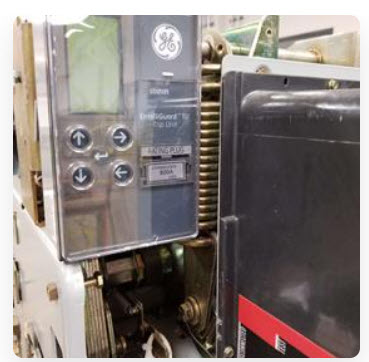
Trip Retrofit Kits
#image_title

Coastal Power Systems helps customers extend the service life of low-voltage circuit breakers by replacing outdated trip units with modern solid-state protection systems. Our experienced technicians and technical sales specialists can recommend retrofit trip unit kits that improve circuit breaker performance while maintaining compatibility with existing equipment.

Why Upgrade Your Trip Unit?

Modern trip unit retrofit kits replace aging or obsolete protection systems with programmable solid-state technology that improves electrical system protection, monitoring, and operational flexibility. These upgrades provide adjustable protection settings, enhanced fault detection, improved selective coordination, and advanced diagnostic capabilities while extending the useful life of existing circuit breakers.

Coastal Power Systems specializes in trip unit retrofit solutions that help customers modernize existing electrical equipment without the expense of complete breaker replacement. Each retrofit is selected to meet the application requirements while minimizing installation time and supporting current safety and performance expectations.

Trip unit retrofit solutions may provide:

  • Improved reliability and operating performance
  • Arc-flash mitigation and maintenance safety modes
  • Metering, diagnostics, and communication capabilities
  • Faster operating and closing cycle performance
  • Enhanced current sensing and protection accuracy
  • Reduced nuisance tripping through adjustable protection settings
  • Secondary injection testing to verify proper trip unit operation after installation


Protective Relay Systems
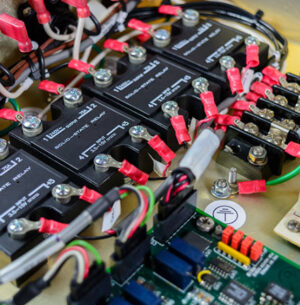
Protective Relay Systems
#image_title

CPS defines a relay as: 

A switch that is used to control a circuit or multiple circuits by utilizing low powered signal or signals. There is isolation between the control circuit and the controlled circuit, which allows low voltage wiring and devices to control higher voltage and current devices. There are a variety of purposes, specific functions, mounting styles, operating characteristics, and user customizations available.

Protective relays play a critical role in safeguarding electrical power systems by continuously monitoring system conditions and initiating protective actions when abnormal operating conditions occur. By detecting faults such as overloads, short circuits, ground faults, and other system disturbances, protective relays help isolate affected equipment, minimize damage, and improve the reliability and safety of the overall electrical distribution system.

Protective relays use low-power control signals to monitor and control one or more electrical circuits while maintaining electrical isolation between the control circuit and the power circuit. Modern relay systems are available in a wide range of technologies, mounting configurations, operating characteristics, and communication capabilities to meet the requirements of virtually any power system application.

Protective Relay Services

Coastal Power Systems provides complete protective relay services for new installations, modernization projects, preventive maintenance programs, and emergency repairs. Our experienced engineers and technicians support protective relay systems throughout their entire lifecycle, including:

  • Assistance specifying and procuring general-purpose and protective relays
  • Installation in new or existing switchgear
  • Protective relay upgrades to improve safety, performance, and system reliability
  • Evaluation and repair of relays at the CPS service facility
  • On-site testing for preventive maintenance programs
  • Startup, commissioning, and acceptance testing
  • Protective device coordination studies
  • Arc-flash hazard reduction and mitigation support
  • Support for GE Multilin, Schweitzer (SEL), Siemens SIPROTEC, ABB, and other major manufacturers
  • Fixed-mounted and draw-out relay applications
  • Electromechanical, solid-state, and microprocessor-based relay technologies

How Protective Relays Operate

When a fault or abnormal operating condition occurs, a protective relay detects the condition and initiates a predetermined response, such as issuing an alarm or commanding a circuit breaker to isolate the affected portion of the electrical system. This rapid response helps protect equipment, improve personnel safety, and reduce the likelihood of widespread outages.

The Institute of Electrical and Electronics Engineers (IEEE) defines a relay as “an electric device that is designed to respond to input conditions in a prescribed manner and, after specified conditions are met, to cause contact operation or similar abrupt change in associated electric control circuits.” Inputs are typically electrical but may also include mechanical, thermal, or other monitored conditions (IEEE C37.90).

General-Purpose Relay Systems

General-purpose relays are designed to perform a wide variety of control and switching functions across industrial and commercial electrical systems. Depending on their construction and ratings, they can be used in both standard and hazardous environments and are available in numerous mounting configurations to support existing equipment and new installations.

Common configurations include:

  • Octal-base relays
  • Square-base relays
  • Flange-mounted relays
  • Miniature relays
  • Hermetically sealed relays

Whether replacing obsolete relay technology, modernizing protection systems, or supporting new electrical infrastructure, Coastal Power Systems provides the engineering expertise, products, testing, and field services needed to keep protective relay systems operating safely and reliably.


GE Insulated Case Breaker Repair Services
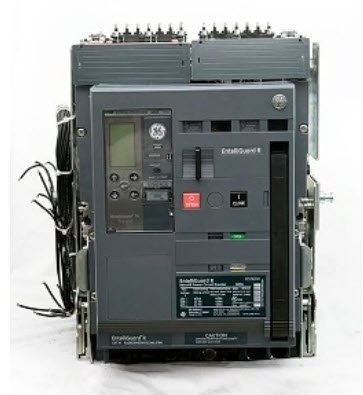
GE Insulated Circuit Breakers
#image_title

Coastal Power Systems supplies new, surplus, and professionally reconditioned GE insulated case circuit breakers for industrial, commercial, utility, offshore, and other critical power applications. Whether you are replacing a failed breaker, maintaining aging equipment, or supporting a modernization project, CPS provides the products, technical expertise, and responsive service needed to keep your electrical system operating reliably.

Our extensive inventory and experienced technical staff help customers identify compatible replacement breakers, locate obsolete models, and develop practical solutions for extending the service life of existing GE electrical equipment.


GE Power Break I & II Circuit Breakers

Coastal Power Systems maintains a large inventory of GE insulated case circuit breakers covering a wide range of frame sizes, mounting configurations, interrupting ratings, and amperages. Whether your application requires a fixed-mounted replacement breaker, a draw-out assembly, or a professionally reconditioned unit, CPS can help identify the appropriate solution.


GE Power Break I & II Circuit Breakers

Coastal Power Systems maintains a large inventory of GE insulated case circuit breakers covering a wide range of frame sizes, mounting configurations, interrupting ratings, and amperages. Whether your application requires a fixed-mounted replacement breaker, a draw-out assembly, or a professionally reconditioned unit, CPS can help identify the appropriate solution.

GE Power Break I Series

  • TC
  • THC
  • TP
  • THP
  • TCMM
  • THCMM
  • TPMM
  • THPMM
  • TUPMM
  • TCL
  • TCVV
  • THCVV
  • TPVV
  • TPVVF
  • THPVV
  • THPVVF
  • TPVF
  • THPVF
  • TPYY
  • TPY
  • THPYY
  • TPR
  • TPRR
  • TPS
  • TPSS

GE Power Break II Series

  • SSF
  • SHF
  • SSD
  • SHD
  • SSB
  • SHB

If you need assistance identifying a breaker model or verifying compatibility with your existing equipment, our technical sales team can help.

Repair, Modernization, and Life-Extension Services

In addition to supplying replacement circuit breakers, Coastal Power Systems provides a complete range of repair, refurbishment, modernization, and lifecycle support services for GE insulated case circuit breakers. Our experienced technicians evaluate existing equipment and recommend practical solutions based on equipment condition, application requirements, and long-term reliability goals.

Services include:

  • Circuit breaker repairs and restoration
  • Breaker refurbishment and reconditioning
  • Retrofit and retrofill solutions
  • Replacement parts and operating devices
  • Custom configurations and modifications
  • Modernization and upgrade solutions for legacy GE equipment

Even if your breaker model is obsolete or not listed above, Coastal Power Systems can often locate a replacement, supply hard-to-find components, or professionally recondition your existing breaker. Every new and reconditioned circuit breaker is inspected, tested, and verified before shipment to help ensure reliable operation in the field.


Download GE Breaker Manuals & Resources

Looking for more information? We’ve made it easy to evaluate the right GE insulated case breaker for your needs. Download technical manuals, product specs, and compatibility guides directly from our website.


Siemens Circuit Breaker Upgrade & Repair Services
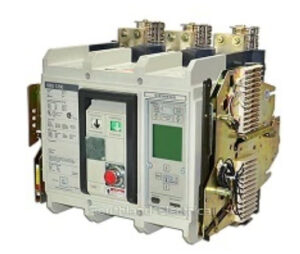
Siemens Circuit Breakers
#image_title

Coastal Power Systems supplies new, surplus, and professionally reconditioned Siemens insulated case circuit breakers for replacement, maintenance, modernization, and emergency outage support. Our experienced technicians inspect, test, repair, refurbish, and certify circuit breakers to help customers extend equipment life, improve reliability, and minimize downtime.

Whether you need a direct replacement breaker, repair services, replacement parts, or a complete retrofit solution, CPS works with you to identify the most practical option based on your existing equipment, operating requirements, and long-term maintenance objectives.

Every new and reconditioned circuit breaker is inspected, functionally tested, and verified before shipment to help ensure reliable field performance.

Support for Legacy Allis-Chalmers & ITE Circuit Breakers

Many industrial facilities, utilities, and offshore operations continue to operate legacy Allis-Chalmers and ITE insulated case circuit breakers that are no longer manufactured or supported by the original equipment manufacturer. Coastal Power Systems helps customers maintain and modernize these systems by supplying replacement breakers, hard-to-find parts, repair services, and professionally reconditioned equipment whenever available.

When maintaining existing equipment is no longer practical, CPS can engineer retrofit and retrofill solutions that allow customers to upgrade to modern Siemens circuit breakers while minimizing modifications to the existing switchgear lineup.

Our services include:

  • Testing, repair, and refurbishment of legacy Allis-Chalmers and ITE circuit breakers
  • New, surplus, and professionally reconditioned replacement breakers
  • Hard-to-find replacement parts and operating devices
  • Retrofit and retrofill solutions using modern Siemens circuit breakers
  • Technical support for equipment identification and compatibility

Whether replacing a failed breaker, sourcing an obsolete unit, or planning a phased modernization project, CPS can recommend solutions that balance reliability, safety, and long-term operating costs.

Siemens Circuit Breaker Solutions for Critical Power Applications

Coastal Power Systems supports Siemens circuit breaker applications across a wide range of industries, including:

  • Industrial manufacturing facilities
  • Oil and gas operations
  • Petrochemical facilities
  • Offshore drilling and production platforms
  • Utilities
  • Power generation plants
  • Data centers
  • Commercial and institutional facilities

To support these critical power environments, CPS provides:

  • Extensive inventory of Siemens, Allis-Chalmers, and ITE circuit breakers
  • Repair, refurbishment, and life-extension services
  • On-site testing, maintenance, and retrofit installation
  • Primary injection testing and functional verification before shipment
  • 24/7 emergency response for critical power applications
  • Hard-to-find replacement parts for obsolete equipment


Siemens Insulated Case Circuit Breaker
Models Supported

Coastal Power Systems supports a broad range of Siemens insulated case circuit breakers, including the following SB and WL Series models:

Siemens SB Series

  • SB
  • SBS
  • SBA

Siemens WL Series

  • WLS1
  • WLS2
  • WLL1
  • WLL2
  • WLL3
  • WLC2
  • WLC3
  • WLN2
  • WLH2
  • WLH3
  • WLM3
  • WLF2
  • WLF3


ABB, BBC & ITE Circuit Breakers

ABB Circuit Breakers
#image_title

Coastal Power Systems supplies new, surplus, and professionally reconditioned ABB SACE circuit breakers, replacement components, and operating devices for low-voltage power distribution applications. Our extensive inventory includes current and obsolete ABB breaker models, including Emax and Emax 2 circuit breakers, as well as legacy BBC and ITE equipment.

Whether you are planning routine maintenance, replacing a failed breaker, or restoring aging electrical equipment, CPS can help identify compatible breakers, parts, and modernization options. Our technical sales team supports planned projects and urgent outage requirements with equipment identification, inventory verification, repair services, testing, and responsive technical assistance.

Critical Components for Planned and Emergency Requirements

We maintain an extensive inventory of ABB, BBC, and ITE circuit breakers, operating devices, accessories, and replacement components. This inventory allows CPS to support routine maintenance, equipment upgrades, breaker restoration projects, and urgent repairs involving equipment that may no longer be readily available from the original manufacturer.

If a direct replacement is unavailable, CPS can evaluate the existing equipment and help determine whether repair, reconditioning, component replacement, retrofit, or retrofill provides the most practical solution. Emergency response and technical support are available for critical outage requirements.


ABB Circuit Breaker Models Supported

Coastal Power Systems maintains a broad inventory of current and legacy ABB insulated case circuit breakers. If you need help identifying an existing breaker or confirming compatibility, our technical sales team can assist with model identification, ratings, mounting configurations, and replacement options.

ABB Emax Series
  • E1B
  • E2B
  • E2N
  • E2S
  • E2L
  • E3N
  • E3S
  • E3H
  • E3V
  • E3L
  • E4S
  • E4H
  • E4V
  • E6H
  • E6V
ABB Emax 2 Series
  • E1.2B
  • E1.2N
  • E1.2S
  • E2.2B
  • E2.2N
  • E2.2S
  • E2.2H
  • E2.2V
  • E4.2S
  • E4.2H
  • E4.2V
  • E4.2L
  • E4.2X
  • E6.2H
  • E6.2V
  • E6.2L
  • E6.2X

Download ABB Emax Circuit Breaker Manual


ABB Circuit Breaker Repair and Restoration

Coastal Power Systems provides in-house repair, reconditioning, and restoration services for ABB insulated case circuit breakers. Each breaker is evaluated to determine its mechanical condition, electrical performance, component availability, and suitability for continued service.

Depending on the breaker’s condition and application requirements, the restoration process may include contact replacement, insulation replacement, mechanism repairs, component cleaning, adjustment, reassembly, and electrical testing. CPS documents the completed work and supplies applicable test results with the restored breaker.

Our circuit breaker repair and restoration process may include:

  • Complete breaker disassembly and inspection
  • Cleaning of external and internal components
  • Evaluation and replacement of worn or damaged parts
  • Replacement of contacts, arc chutes, and insulation materials when required
  • Mechanism adjustment and lubrication
  • Reassembly using proper torque values and alignment procedures
  • Dielectric testing to verify insulation integrity
  • Mechanical and electrical functional testing
  • Final quality inspection and documentation of test results


ABB, BBC & ITE Breaker Applications

Coastal Power Systems supports ABB, BBC, and ITE circuit breaker applications across industrial facilities, utilities, power generation plants, data centers, commercial buildings, offshore operations, marine vessels, and other critical power environments.

These breakers are used in electrical distribution systems supporting manufacturing operations, process facilities, institutional campuses, communications infrastructure, shopping centers, renewable energy facilities, and other applications where dependable overcurrent protection and equipment availability are essential.

Whether you need a replacement breaker, hard-to-find component, repair service, or modernization solution, CPS can help evaluate the available options and recommend a practical approach based on compatibility, reliability, project schedule, and long-term equipment requirements.


Hyundai Insulated Case Circuit Breakers

Coastal Power Systems supplies new, surplus, and professionally reconditioned Hyundai insulated case circuit breakers, replacement components, and modernization solutions for industrial and commercial electrical distribution systems. Whether you are replacing a failed breaker, maintaining existing equipment, or planning a switchgear modernization project, CPS provides the products, technical expertise, and responsive support needed to keep critical power systems operating reliably.

Our experienced technicians support the complete lifecycle of Hyundai insulated case circuit breakers through inspection, testing, repair, refurbishment, replacement, retrofit, and retrofill services designed to extend equipment life while minimizing downtime.
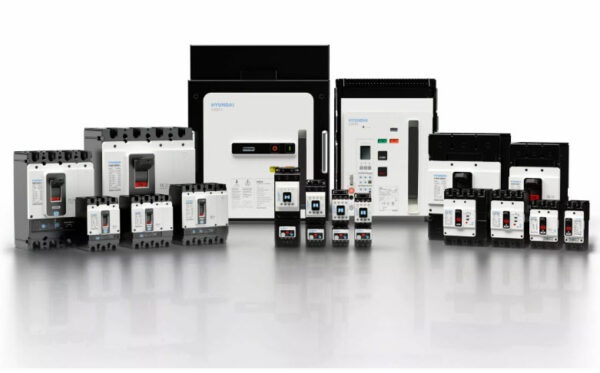
Hyundai Circuit Breakers
#image_title


Hyundai Circuit Breaker Services

For decades, Coastal Power Systems has supported customers worldwide with Hyundai circuit breaker replacement, repair, and modernization services. Our technical staff assists with equipment identification, compatibility verification, replacement part selection, and engineering solutions for both current and obsolete Hyundai breaker models.

Services include:

  • Inspection, testing, and refurbishment of Hyundai insulated case circuit breakers
  • New, surplus, and professionally reconditioned replacement breakers
  • Hard-to-find replacement parts and operating devices
  • Primary injection testing and functional verification
  • Circuit breaker retrofit and retrofill solutions
  • Technical support for equipment identification and compatibility

Whether replacing a single breaker or supporting a facility-wide modernization project, CPS works with customers to identify practical solutions that improve reliability while preserving existing electrical infrastructure whenever possible.

Hyundai HGN Retrofit Solutions

Many facilities continue to operate Hyundai HiAN and HiAS insulated case circuit breakers that are no longer manufactured or readily supported. Rather than replacing an entire switchgear lineup, Coastal Power Systems offers HGN retrofit solutions that replace obsolete Hyundai breakers with modern GE EntelliGuard G™ retrofill assemblies while maintaining compatibility with the existing equipment.

Each retrofit solution is engineered for the specific application and may include:

  • Factory-installed mounting hardware for simplified installation
  • Custom bus modifications designed for the existing switchgear
  • Trim plate kits for proper fit and finish
  • Modern solid-state protection and monitoring capabilities
  • Improved long-term equipment support and parts availability

Retrofit solutions allow customers to modernize aging electrical equipment, improve system reliability, and extend switchgear service life while reducing the cost and operational impact of complete equipment replacement.

Repair, Replacement, and Modernization Services

Coastal Power Systems provides complete repair, replacement, and modernization services for Hyundai insulated case circuit breakers. Whether your project involves routine maintenance, emergency replacement, obsolete equipment, or long-term asset management, CPS can evaluate your existing equipment and recommend the most practical approach based on system compatibility, equipment condition, operating requirements, and lifecycle cost.

Our goal is to help customers maximize equipment reliability, minimize downtime, and extend the useful life of their electrical distribution systems through proven engineering, testing, repair, and modernization solutions.


Why Coastal Power Systems?

Coastal Power Systems combines field maintenance, shop repair, equipment restoration, testing, engineering, manufacturing, modernization, and emergency response capabilities. This integrated approach allows you to work with one experienced organization throughout multiple stages of the equipment lifecycle rather than coordinating multiple service providers.

Field and Shop Capabilities

Equipment can be inspected, tested, and maintained on site or transferred to a CPS service facility for more extensive repair, restoration, fabrication, and testing.

Legacy Equipment Knowledge

CPS supports current, obsolete, and hard-to-find circuit breakers, switchgear, controls, and motor control center equipment from major manufacturers.

Testing and Documentation

Maintenance, repair, and restoration services can include functional and electrical testing supported by documented test results.

Practical Lifecycle Decisions

CPS helps determine when equipment should be maintained, repaired, restored, modernized, or replaced based on condition, application, and long-term reliability.

Integrated Modernization Support

CPS provides breaker retrofits, trip unit upgrades, control modifications, replacement equipment, and custom power distribution solutions.

Critical Infrastructure Experience

CPS supports facilities where electrical reliability, personnel safety, outage duration, and operational continuity are essential.


Talk to Coastal Power Systems

Whether you need replacement industrial circuit breakers, repair services, retrofit solutions, technical support, or help identifying obsolete equipment, Coastal Power Systems is ready to assist. Our experienced team can help you evaluate your options, answer technical questions, and recommend the most practical solution for your application. Contact us today to discuss your project or request a quote.

Contact Us


Frequently Asked Questions

Can obsolete industrial circuit breakers still be repaired?

In many cases, yes. Coastal Power Systems repairs, restores, and tests numerous obsolete circuit breaker models that are no longer supported by the original manufacturer. After inspection, our technicians can recommend repair, restoration, retrofit, or replacement based on the equipment’s condition, availability of parts, and long-term reliability goals.

Do you provide testing for repaired circuit breakers?

Yes. Circuit breakers repaired or restored by CPS can undergo mechanical and electrical testing to verify proper operation before being returned to service. Testing may include insulation resistance, contact resistance, timing, functional operation, and other procedures appropriate for the breaker type and application.

Can you help identify an unknown or obsolete circuit breaker?

Absolutely. Our technical sales team can often identify circuit breakers using manufacturer information, catalog numbers, photographs, nameplates, or equipment drawings. Once identified, we can recommend repair services, replacement components, retrofit options, or complete replacement solutions.

Do you stock replacement industrial circuit breakers?

Yes. Coastal Power Systems maintains inventory of many low- and medium-voltage circuit breakers, replacement parts, accessories, and related equipment. Inventory availability varies by manufacturer and model, so our team can quickly determine available options for your application.

When should a circuit breaker be replaced instead of repaired?

The answer depends on the equipment’s physical condition, availability of replacement parts, maintenance history, reliability requirements, and modernization objectives. CPS evaluates each breaker individually and provides recommendations based on technical and economic factors rather than automatically recommending replacement.

Can circuit breaker upgrades improve electrical system reliability?

Yes. Upgrading trip units, controls, operating mechanisms, and other components can improve breaker performance while extending equipment life. Modernization may also enhance protection, simplify maintenance, improve parts availability, and reduce the risk of unexpected failures.

Do you provide field service for industrial circuit breakers?

Yes. CPS performs field inspection, maintenance, testing, troubleshooting, repairs, and commissioning for industrial circuit breakers and associated power distribution equipment. When extensive repairs are required, equipment can also be serviced at one of our repair facilities.

Which manufacturers does Coastal Power Systems support?

Coastal Power Systems supports equipment from many of the industry’s major manufacturers, including both current and obsolete product lines. Contact our technical sales team with your equipment information, and we’ll help determine available repair, replacement, retrofit, or modernization options.


Electrical Asset Management Services – Reliability & Lifecycle Planning

ASSET MANAGEMENT SERVICES

Electrical asset management services help facility owners maximize equipment life, improve reliability, prioritize capital spending, reduce operational risk, and make informed decisions about electrical infrastructure investments.


Electrical Asset Management Services for Reliability, Lifecycle Planning, and Risk Reduction

Most organizations can tell you what electrical equipment they own. Far fewer can accurately identify which assets present the greatest operational risk, which assets are approaching end-of-life, or where future reliability problems are most likely to occur. As electrical infrastructure ages, these questions become increasingly important. Switchgear, transformers, breakers, relays, motor control centers, and distribution systems often remain in service for decades. While some assets continue operating reliably, others become sources of increasing risk, maintenance expense, and operational uncertainty.

The challenge is that electrical equipment rarely fails according to a predictable schedule. Some assets perform reliably well beyond their expected life. Others experience problems much earlier due to operating conditions, maintenance history, environmental exposure, or changes in system requirements. Without a structured asset management program, organizations often make decisions reactively, responding to failures after they occur rather than proactively managing risk.

Electrical asset management services provide a framework for understanding equipment condition, evaluating risk, prioritizing maintenance activities, planning modernization projects, and optimizing capital expenditures. Coastal Power Systems helps utilities, data centers, power generation facilities, petrochemical operations, manufacturing plants, municipalities, and critical infrastructure owners develop practical asset management strategies that improve reliability while maximizing the value of existing electrical assets.

Our Electrical Asset Management Services

  • Electrical asset condition assessments
  • Criticality and risk analysis
  • Equipment lifecycle evaluations
  • Capital planning support
  • Asset health index development
  • Modernization and upgrade planning
  • Obsolescence management
  • Maintenance program optimization
  • Reliability improvement strategies
  • Electrical infrastructure audits

What Are Electrical Asset Management Services?

Electrical asset management services help organizations evaluate, maintain, and optimize electrical infrastructure throughout its operational lifecycle. Rather than focusing on individual maintenance activities or isolated equipment failures, asset management considers the broader relationship between equipment condition, reliability, risk, operational requirements, maintenance costs, and future capital investments.

The goal is to help facility owners make informed decisions based on data rather than assumptions. Asset management programs typically evaluate equipment age, operating history, maintenance records, condition assessment data, criticality, failure consequences, and future operational requirements. This information helps organizations determine where resources should be allocated to achieve the greatest reliability and operational benefit.

Effective asset management recognizes that not all electrical assets are equally important. A breaker serving a critical production process may require a different strategy than a breaker serving a non-essential load. Asset management helps organizations prioritize investments where they will have the greatest impact.

Why Electrical Asset Management Matters

Electrical infrastructure often represents one of the largest long-term investments within a facility. Replacing switchgear, transformers, substations, motor control centers, and distribution equipment requires significant capital expenditure. At the same time, operating aging infrastructure indefinitely can increase reliability risks, maintenance costs, and operational uncertainty.

Many organizations struggle to determine when equipment should be maintained, modernized, retrofitted, or replaced. Age alone is rarely a reliable indicator. Some 40-year-old equipment continues to operate reliably because it has been maintained properly. Conversely, newer equipment may experience significant problems if maintenance has been neglected or operating conditions are severe.

Electrical asset management services help bridge this gap by providing objective information about equipment condition and risk. Instead of relying on assumptions, facility owners gain a clearer understanding of which assets require immediate attention and which assets can continue operating safely and reliably.

Common Challenges Facing Aging Electrical Infrastructure

Many facilities operate electrical systems that were installed decades ago. While this equipment may continue functioning, aging infrastructure often creates new challenges that extend beyond basic maintenance concerns. Spare parts become difficult to obtain. Original manufacturers discontinue support. Technical expertise becomes harder to find. Safety standards evolve. Operational requirements change.

Obsolescence is one of the most common issues encountered during asset assessments. Equipment may still operate, but critical replacement components may no longer be available. A facility can quickly move from a manageable maintenance issue to a major operational problem if a critical component fails and replacement parts cannot be obtained.

Asset management programs help identify these risks before they become emergencies. By understanding which assets face obsolescence challenges, organizations can develop modernization strategies that reduce long-term risk while avoiding unnecessary equipment replacement.

How Asset Management Supports Reliability

Reliability improves when organizations understand the condition and risk profile of their electrical infrastructure. Asset management provides that visibility. Instead of treating all equipment equally, organizations can focus resources on the assets that present the greatest operational risk.

For example, a condition assessment may reveal that two switchgear lineups are the same age, but one is significantly more critical to operations and exhibits signs of deterioration. Asset management allows decision-makers to prioritize maintenance, upgrades, or replacement efforts based on actual risk rather than equipment age alone.

This approach often leads to more effective use of maintenance budgets while improving overall system reliability. Resources are directed where they will produce the greatest benefit rather than being distributed evenly across all assets regardless of condition or importance.

Asset Management Versus Preventive Maintenance

Preventive maintenance and asset management are closely related, but they are not the same thing. Preventive maintenance focuses on activities designed to maintain equipment condition and prevent failures. Asset management takes a broader view by evaluating how maintenance activities, equipment condition, operational requirements, and capital planning interact over time.

A preventive maintenance program may identify a deteriorating breaker. Asset management helps determine whether that breaker should be repaired, retrofitted, replaced, or incorporated into a broader modernization strategy. Maintenance provides condition information. Asset management uses that information to support strategic decision-making.

Organizations achieve the greatest benefit when preventive maintenance and asset management are integrated into a single reliability-focused program.

The Role of Asset Management in Capital Planning

One of the most valuable benefits of electrical asset management services is improved capital planning. Electrical infrastructure projects often involve significant costs and long planning horizons. Facility owners must decide where limited capital budgets should be allocated to achieve the greatest operational benefit.

Without asset management data, these decisions are often based on age, anecdotal observations, or emergency conditions. Asset management provides a more structured approach. Condition assessments, risk evaluations, and criticality analyses help identify which assets are approaching the point where modernization or replacement becomes justified.

This information allows organizations to plan upgrades proactively rather than responding to failures after they occur. Capital expenditures become more predictable, and reliability improvements can be aligned with broader operational objectives.

Electrical Asset Management for Critical Facilities

Critical infrastructure operators often place particular emphasis on asset management because the consequences of failure can be severe. Data centers rely on electrical infrastructure to support uptime commitments and customer operations. Utilities depend on reliable equipment to maintain service continuity. Power generation facilities require dependable electrical systems to support production and protect major assets.

Petrochemical facilities, manufacturing plants, water treatment facilities, transportation systems, and municipalities face similar challenges. Electrical failures can affect production, public services, environmental compliance, and safety. In these environments, asset management becomes an important component of operational risk management.

Rather than simply maintaining equipment, organizations seek to understand how asset condition affects overall business performance and operational continuity.

How Asset Management Supports Modernization Decisions

Modernization projects often involve difficult decisions. Replacing an entire switchgear lineup may improve reliability, but it may also require substantial capital investment and planned outages. Retrofitting existing equipment may provide a more cost-effective alternative in some situations. Determining the best approach requires an understanding of equipment condition, operational requirements, available support, and long-term risk.

Asset management services help provide this perspective. Engineers can evaluate equipment health, maintenance history, spare parts availability, operational criticality, and modernization options before major decisions are made. This allows organizations to balance reliability objectives with financial realities.

As a result, modernization strategies become more targeted and cost-effective. Organizations can focus investments where they provide the greatest long-term value.

Why Coastal Power Systems?

Electrical asset management services are most effective when supported by real-world experience across the entire electrical infrastructure lifecycle. Coastal Power Systems combines asset management expertise with engineering studies, NETA-guided testing, preventive maintenance programs, switchgear manufacturing, modernization services, commissioning support, and emergency response capabilities.

This broad perspective allows asset management recommendations to be grounded in actual equipment condition, operational requirements, maintenance realities, and modernization opportunities. Rather than simply identifying problems, Coastal helps facility owners develop practical strategies for improving reliability, reducing risk, and maximizing asset value.

Because Coastal supports electrical infrastructure from installation through modernization, asset management becomes part of a larger lifecycle strategy focused on long-term reliability and operational performance.

Request an Electrical Asset Management Review

Whether you are evaluating aging infrastructure, planning modernization projects, improving reliability, or developing a long-term capital strategy, electrical asset management services can help you make informed decisions about your electrical infrastructure.

Contact Us


Frequently Asked Questions

What are electrical asset management services?

Electrical asset management services help organizations evaluate equipment condition, assess risk, prioritize maintenance activities, plan capital expenditures, and optimize electrical infrastructure throughout its lifecycle.

Why is electrical asset management important?

Asset management helps organizations make informed decisions about maintenance, modernization, replacement, and capital planning while reducing operational risk and improving reliability.

What types of equipment are included in asset management programs?

Programs commonly include switchgear, transformers, breakers, relays, motor control centers, substations, switchboards, panelboards, and associated power distribution equipment.

How does asset management differ from preventive maintenance?

Preventive maintenance focuses on maintaining equipment condition, while asset management evaluates how equipment condition, risk, reliability, maintenance, and capital planning interact throughout the asset lifecycle.

Can asset management reduce capital expenditures?

Yes. Asset management helps organizations prioritize investments based on actual equipment condition and risk, allowing capital budgets to be allocated more effectively.

Additional Information

The following organizations publish widely recognized standards, technical guidance, and best practices related to electrical asset management, maintenance planning, and power system reliability.


Electrical Infrared Thermography Services – Thermal Imaging for Electrical Systems

INFRARED THERMOGRAPHY SERVICES

Electrical infrared thermography services help identify overheating electrical components before failure occurs, allowing facilities to reduce downtime, improve safety, extend equipment life, and strengthen reliability programs.


Electrical Infrared Thermography Services for Early Fault Detection and Improved Reliability

Most electrical failures begin long before equipment stops working. Loose connections, overloaded conductors, deteriorating insulation, unbalanced loads, failing breakers, and high-resistance connections often generate heat months or even years before a failure occurs. Unfortunately, these conditions frequently remain hidden because the equipment continues operating normally. By the time visible damage appears, the problem may have already progressed to the point where repairs become costly, disruptive, or potentially dangerous.

Electrical infrared thermography services provide a non-invasive method for identifying these hidden issues while equipment remains energized and operating under normal load conditions. Using specialized thermal imaging technology, trained technicians can identify abnormal heat patterns that indicate developing electrical problems. This allows corrective action to be scheduled before the condition results in equipment damage, unplanned downtime, safety incidents, or costly emergency repairs.

Coastal Power Systems provides electrical infrared thermography services for industrial facilities, utilities, data centers, power generation facilities, petrochemical plants, manufacturing operations, and critical infrastructure. As part of a comprehensive reliability and maintenance strategy, thermographic inspections help facility owners gain visibility into electrical equipment condition without disrupting operations or requiring unnecessary shutdowns.

Our Electrical Infrared Thermography Services

  • Switchgear thermal inspections
  • Switchboard thermal inspections
  • Panelboard thermal inspections
  • Circuit breaker thermal analysis
  • Transformer thermal inspections
  • Motor control center thermography
  • Bus system thermal imaging
  • Electrical distribution system surveys
  • Preventive maintenance thermographic programs
  • Reliability-focused thermal assessments

What Are Electrical Infrared Thermography Services?

Electrical infrared thermography services use thermal imaging technology to detect temperature differences within electrical equipment while it remains energized and under load. Every electrical component generates some level of heat during normal operation. However, abnormal temperatures often indicate conditions that require investigation. Thermal imaging cameras allow technicians to identify these abnormal heat signatures quickly and safely without direct contact with energized equipment.

The resulting thermal images provide a visual representation of temperature distribution throughout the electrical system. Engineers and maintenance personnel can use this information to identify overheating connections, overloaded circuits, failing components, phase imbalances, deteriorating insulation systems, and other developing issues. Because thermal inspections can be performed while equipment remains in service, they provide valuable diagnostic information without interrupting operations.

Why Electrical Infrared Thermography Matters

One of the greatest challenges in electrical maintenance is that many problems remain hidden until failure occurs. A loose connection inside a switchgear lineup may not be visible during routine inspections. An overloaded circuit breaker may continue operating despite elevated temperatures. A deteriorating bus connection may function normally while gradually generating more heat with each passing month.

Electrical infrared thermography helps reveal these hidden conditions. Instead of waiting for equipment failure, maintenance teams can identify abnormal heat patterns early and investigate the root cause before the condition worsens. This proactive approach allows repairs to be scheduled during planned maintenance windows rather than emergency outages.

For facilities where downtime affects production, revenue, customer service, or public infrastructure, the ability to identify developing issues before failure occurs can provide substantial operational and financial benefits.

What Problems Can Infrared Thermography Identify?

Infrared inspections are particularly effective at identifying issues that generate heat. One of the most common findings is loose electrical connections. As resistance increases at a connection point, heat generation increases. Left uncorrected, these conditions can damage conductors, terminals, breakers, bus systems, and associated equipment.

Thermography also helps identify overloaded circuits, phase imbalances, deteriorating breaker contacts, transformer loading issues, bus connection problems, and abnormal equipment operating conditions. In many facilities, thermal imaging reveals problems that would not be detected through visual inspections alone.

Because thermal anomalies often develop gradually, early detection provides maintenance teams with valuable time to plan corrective action. Instead of responding to an unexpected failure, facilities can schedule repairs based on actual equipment condition and operational priorities.

How Infrared Thermography Supports Reliability Programs

Reliability programs are most effective when they identify problems before equipment performance is affected. Infrared thermography supports this objective by providing a practical method for monitoring equipment condition under real operating conditions. Rather than relying solely on time-based maintenance schedules, facilities can use thermal inspection data to prioritize maintenance activities based on actual risk.

For example, a thermal survey may identify one breaker operating at significantly higher temperatures than similar breakers under comparable loading conditions. While the breaker may still function normally, the elevated temperature indicates a developing issue that warrants investigation. Correcting the problem before failure occurs improves reliability and helps prevent more costly repairs.

Many organizations incorporate thermographic inspections into broader reliability programs that also include NETA-guided testing, preventive maintenance, engineering studies, and condition-based maintenance initiatives.

Electrical Infrared Thermography Versus Traditional Inspections

Traditional visual inspections remain an important part of electrical maintenance programs, but they have limitations. Many electrical defects occur inside enclosures or develop in ways that are not immediately visible. A connection can generate excessive heat while appearing normal during a visual inspection. A circuit breaker may exhibit abnormal operating temperatures without showing external signs of deterioration.

Infrared thermography complements traditional inspections by providing information that cannot be observed with the naked eye. Thermal imaging allows technicians to evaluate equipment condition based on operating temperatures rather than appearance alone. This additional layer of diagnostic information helps improve maintenance decisions and increases the likelihood of identifying developing issues before they affect operations.

The combination of visual inspections and thermographic analysis often provides a more complete understanding of equipment health than either method alone.

Why Electrical Thermography Is Valuable for Critical Facilities

Certain industries place exceptional value on thermographic inspections because the cost of downtime is extremely high. Data centers depend on continuous electrical availability to support customer operations and service-level commitments. Utilities require reliable infrastructure to maintain service continuity. Power generation facilities rely on electrical equipment to support generation assets and protect critical systems.

Petrochemical facilities, refineries, manufacturing plants, transportation systems, healthcare facilities, and water treatment operations face similar challenges. Electrical failures can affect production, public services, environmental compliance, and worker safety. In these environments, thermal imaging becomes more than a maintenance tool. It becomes part of a broader risk management and reliability strategy.

How Often Should Electrical Infrared Thermography Be Performed?

The appropriate inspection frequency depends on equipment criticality, operating conditions, environmental factors, maintenance history, and facility reliability objectives. Critical facilities often perform thermographic inspections annually or more frequently for key assets. Equipment operating under heavy loads or harsh environmental conditions may require more frequent monitoring.

Facilities should also consider performing infrared inspections following major electrical modifications, equipment upgrades, load increases, or significant operational changes. These events can alter thermal conditions and create new risks that may not be immediately apparent through conventional inspections.

The goal is not simply to generate thermal images. The goal is to establish a trend that allows engineers and maintenance personnel to identify changes in equipment condition over time.

Electrical Infrared Thermography and Asset Life Extension

One of the most overlooked benefits of thermography is its contribution to asset life extension. Excessive heat accelerates insulation deterioration, damages electrical contacts, degrades conductor connections, and reduces equipment life. By identifying and correcting heat-related issues early, facilities can reduce unnecessary stress on electrical equipment.

Over time, this helps preserve equipment condition and supports longer service life. For facilities operating aging switchgear, transformers, breakers, and distribution equipment, extending asset life can significantly reduce capital expenditures while maintaining acceptable reliability levels.

Thermal inspection data also supports modernization planning by helping organizations identify which assets require immediate attention and which assets remain suitable for continued service.

Why Coastal Power Systems?

Electrical infrared thermography services are most valuable when inspection findings are evaluated within the broader context of electrical system reliability. Coastal Power Systems combines thermographic inspections with engineering studies, NETA-guided testing, preventive maintenance programs, commissioning services, modernization projects, and lifecycle asset management support.

This integrated approach allows thermal findings to be translated into practical recommendations that support safety, reliability, maintainability, and long-term operational objectives. Because Coastal works with facilities throughout the electrical asset lifecycle, thermographic inspections become part of a larger strategy focused on reducing risk, improving reliability, and maximizing equipment value.

Request an Electrical Infrared Thermography Review

Whether you are implementing a preventive maintenance program, evaluating aging electrical infrastructure, improving facility reliability, or seeking better visibility into equipment condition, electrical infrared thermography services can help identify hidden risks before they become costly failures.

Contact Us


Frequently Asked Questions

What is electrical infrared thermography?

Electrical infrared thermography uses thermal imaging technology to identify abnormal heat patterns in energized electrical equipment, helping detect developing problems before failure occurs.

What types of electrical problems can thermography identify?

Thermography can identify loose connections, overloaded circuits, phase imbalances, deteriorating breaker contacts, transformer issues, bus connection problems, and other heat-related electrical conditions.

Can infrared inspections be performed while equipment is energized?

Yes. One of the primary advantages of infrared thermography is that inspections can often be performed while equipment remains energized and operating under normal load conditions.

How often should electrical thermographic inspections be performed?

Inspection frequency depends on equipment criticality, operating conditions, maintenance history, and reliability objectives. Many facilities perform inspections annually as part of their preventive maintenance programs.

Can infrared thermography reduce downtime?

Yes. By identifying developing problems before failure occurs, thermography helps facilities schedule repairs proactively and reduce the likelihood of unexpected outages.

Additional Information

The following organizations publish widely recognized standards, technical guidance, and best practices related to infrared thermography, predictive maintenance, and electrical reliability.


Electrical Preventive Maintenance Services – Power System Reliability

PREVENTIVE MAINTENANCE SERVICES

Electrical preventive maintenance services help facilities identify developing problems before failures occur, reduce unplanned downtime, extend equipment life, and improve the long-term reliability of critical power systems.


Electrical Preventive Maintenance Services for Improved Reliability, Safety, and Equipment Life

Most electrical failures do not occur without warning. Loose connections generate heat long before they fail. Insulation systems deteriorate gradually over time. Circuit breakers lose calibration after years of operation. Protective relays drift from their original settings. Environmental contamination accumulates inside switchgear and panelboards. Unfortunately, many facilities discover these issues only after an outage, equipment failure, or safety incident occurs.

Electrical preventive maintenance services are designed to identify these conditions before they affect operations. Rather than waiting for equipment to fail, preventive maintenance programs use inspections, testing, diagnostics, cleaning, calibration, and condition assessments to evaluate equipment health while corrective action is still manageable. The objective is simple: find problems early when they are less expensive, less disruptive, and easier to correct.

Coastal Power Systems provides electrical preventive maintenance services for industrial facilities, utilities, power generation companies, data centers, petrochemical operations, manufacturing plants, and critical infrastructure owners. By combining maintenance services with engineering studies, testing, commissioning, modernization, and emergency response capabilities, Coastal helps organizations reduce operational risk while maximizing the value of their electrical assets.

Our Electrical Preventive Maintenance Services

  • Switchgear inspection and maintenance
  • Circuit breaker testing and maintenance
  • Protective relay testing
  • Infrared thermography
  • Electrical equipment cleaning
  • Torque verification programs
  • Transformer inspection and testing
  • NETA-guided maintenance testing
  • Grounding system inspection
  • Electrical asset condition assessments

What Are Electrical Preventive Maintenance Services?

Electrical preventive maintenance services consist of planned activities designed to evaluate, maintain, and improve the condition of electrical equipment before failures occur. These activities typically include inspections, testing, cleaning, lubrication, calibration, adjustments, and repairs that help maintain equipment performance and reliability throughout its service life.

Unlike emergency repairs, preventive maintenance is proactive rather than reactive. Instead of responding after equipment fails, maintenance teams identify developing issues while equipment remains operational. This allows facility owners to schedule repairs during planned outages rather than responding to unexpected failures that may disrupt production, operations, or customer service.

The most effective maintenance programs focus on the equipment that presents the greatest operational risk. Switchgear, circuit breakers, transformers, protective relays, motor control centers, switchboards, panelboards, and associated distribution equipment often receive priority because failures within these systems can affect large portions of a facility.

Why Electrical Preventive Maintenance Matters

Electrical equipment is often expected to operate reliably for decades. However, even the best-designed equipment experiences wear, contamination, thermal cycling, vibration, environmental exposure, and mechanical aging. Over time, these factors gradually affect equipment performance. Without periodic maintenance, small issues can evolve into major failures.

Many organizations underestimate the cost of deferred maintenance because the consequences are not immediately visible. A breaker that has not been exercised for years may still appear functional. A loose electrical connection may continue operating despite excessive heat generation. A relay may appear healthy even though critical settings have been altered. The problem is that these conditions often remain hidden until an abnormal event exposes them.

Preventive maintenance reduces this uncertainty by providing regular insight into equipment condition. Facility owners gain the information needed to make informed decisions about repairs, replacements, upgrades, and future capital planning.

Common Causes of Electrical Equipment Failure

Understanding why electrical equipment fails helps explain the value of preventive maintenance. One of the most common causes of failure is poor electrical connections. Loose terminations increase resistance, generate heat, accelerate component degradation, and may eventually result in equipment damage. Infrared inspections frequently identify these conditions before visible damage occurs.

Environmental contamination is another common issue. Dust, moisture, chemical contaminants, and airborne particles can accumulate inside electrical equipment and reduce insulation performance. In industrial environments, contamination often contributes to tracking, overheating, corrosion, and insulation failure.

Mechanical deterioration also plays a significant role. Circuit breakers contain moving components that require periodic inspection, adjustment, and lubrication. Springs weaken, contacts wear, mechanisms accumulate contamination, and operating tolerances change over time. Without maintenance, equipment may fail to operate properly when needed most.

How Preventive Maintenance Improves Reliability

Reliability is rarely achieved through equipment selection alone. It is achieved through the combination of proper design, quality installation, testing, maintenance, and operational practices. Preventive maintenance helps sustain reliability by identifying developing problems before they affect system performance.

For example, infrared thermography may identify a loose connection before it causes an outage. Breaker testing may reveal mechanical issues before a protection failure occurs. Relay testing may identify setting discrepancies before a fault event challenges the protection system. Each of these findings allows corrective action to occur under controlled conditions rather than during an emergency.

The result is fewer unplanned outages, improved equipment performance, greater operational predictability, and a more reliable electrical distribution system.

The Financial Impact of Deferred Maintenance

Many facilities postpone maintenance because equipment appears to be operating normally. Unfortunately, this approach often creates larger costs later. Emergency repairs typically cost more than planned maintenance because they involve unplanned labor, expedited parts procurement, production interruptions, overtime expenses, and operational disruption.

In some cases, the failure of a relatively inexpensive component can damage much larger pieces of equipment. A neglected circuit breaker issue may result in switchgear damage. A loose connection may damage bus systems or transformers. An improperly functioning relay may allow a fault to escalate beyond its original scope.

Preventive maintenance helps avoid these situations by identifying issues before they create secondary damage. While maintenance programs require investment, many organizations find that the cost is significantly lower than the financial consequences of major electrical failures.

Electrical Preventive Maintenance for Critical Facilities

Certain industries place especially high value on preventive maintenance because the cost of downtime is exceptionally high. Data centers depend on continuous power availability to support customer operations and service-level commitments. Utilities require reliable electrical infrastructure to maintain service continuity. Power generation facilities rely on electrical systems to support production and protect critical assets.

Petrochemical facilities, refineries, manufacturing plants, water treatment facilities, transportation systems, and healthcare facilities face similar challenges. Electrical failures can affect production, environmental compliance, public services, and worker safety. In these environments, preventive maintenance is often viewed as a reliability strategy rather than simply a maintenance activity.

Condition-Based Maintenance Versus Time-Based Maintenance

Modern maintenance programs increasingly combine traditional preventive maintenance with condition-based maintenance strategies. Time-based maintenance follows a predetermined schedule regardless of equipment condition. While this approach remains valuable, it may result in unnecessary maintenance activities or fail to identify rapidly developing issues.

Condition-based maintenance uses inspections, testing, thermography, and diagnostic data to evaluate actual equipment condition. Maintenance activities can then be prioritized based on risk rather than calendar intervals alone. This approach often improves resource utilization while providing a more accurate picture of equipment health.

Many facilities achieve the best results by combining both strategies within a comprehensive asset management program.

How Electrical Preventive Maintenance Supports Asset Life Extension

Replacing electrical infrastructure is expensive. Many facilities operate switchgear, transformers, and distribution equipment that represent significant capital investments. While all equipment eventually reaches the end of its useful life, preventive maintenance can help extend service life by addressing deterioration before it accelerates.

Routine inspections, testing, cleaning, lubrication, calibration, and repairs help maintain equipment performance and reduce unnecessary wear. In many cases, well-maintained equipment remains reliable for years beyond its original expected service life. This allows organizations to defer capital expenditures while continuing to operate safely and reliably.

Preventive maintenance also provides valuable condition data that supports modernization planning and future asset replacement decisions.

Why Coastal Power Systems?

Electrical preventive maintenance services are most effective when maintenance activities are connected to broader reliability objectives. Coastal Power Systems combines maintenance services with engineering studies, NETA-guided testing, commissioning, modernization programs, switchgear manufacturing, and emergency response support. This allows maintenance findings to be evaluated within the context of overall system performance and long-term operational goals.

Because Coastal supports electrical infrastructure throughout its lifecycle, maintenance recommendations can be integrated with reliability initiatives, engineering studies, modernization planning, and capital improvement programs. The result is actionable information that helps facility owners reduce risk, improve reliability, and maximize the value of their electrical assets.

Request an Electrical Preventive Maintenance Review

Whether you are developing a new maintenance program, evaluating aging electrical infrastructure, preparing for a facility expansion, or looking to improve reliability, electrical preventive maintenance services can help reduce risk and improve long-term system performance.

Contact Us


Frequently Asked Questions

What is electrical preventive maintenance?

Electrical preventive maintenance consists of planned inspections, testing, cleaning, calibration, and maintenance activities designed to identify and correct issues before equipment failures occur.

Why is preventive maintenance important for electrical equipment?

Preventive maintenance helps reduce unplanned outages, improve reliability, extend equipment life, enhance safety, and lower the overall cost of electrical system ownership.

What equipment should be included in a preventive maintenance program?

Programs commonly include switchgear, circuit breakers, transformers, relays, motor control centers, switchboards, panelboards, grounding systems, and other critical electrical assets.

How often should electrical preventive maintenance be performed?

Maintenance intervals vary depending on equipment type, operating conditions, criticality, manufacturer recommendations, and facility reliability objectives.

Can preventive maintenance reduce downtime?

Yes. By identifying developing problems before failures occur, preventive maintenance helps facilities avoid many of the outages associated with unexpected equipment failures.

Additional Information

The following organizations publish widely recognized standards, technical guidance, and best practices related to electrical maintenance, equipment testing, and reliability programs.