ELECTRICAL OUTAGE RESPONSE SERVICES
Electrical outage response services help facilities quickly assess electrical failures, restore critical operations, identify root causes, and reduce the operational and financial impact of unexpected power disruptions.
Electrical Outage Response Services for Rapid Recovery, Root Cause Analysis, and Reliable Power Restoration
An electrical outage can bring operations to a standstill within seconds. Production lines shut down. Critical processes are interrupted. Data centers risk service disruptions. Utility customers lose service. Power generation assets may be forced offline. Whether the outage affects a single distribution circuit or an entire facility, the consequences often extend far beyond the electrical system itself.
Many organizations focus on restoring power as quickly as possible. While rapid recovery is important, restoring power without understanding what caused the outage can create additional risks. A breaker that tripped may have responded correctly to a fault condition. A relay operation may indicate a developing equipment problem. A switchgear event may expose hidden reliability issues that have been building for years.
Coastal Power Systems provides electrical outage response services for industrial facilities, utilities, data centers, power generation companies, petrochemical operations, municipalities, and critical infrastructure operators. CPS helps facilities assess outages, restore operations safely, identify root causes, and develop long-term solutions that improve reliability and reduce future risk.
Our Electrical Outage Response Services
- Emergency electrical troubleshooting
- Outage root cause analysis
- Switchgear failure assessment
- Circuit breaker diagnostics
- Protective relay evaluation
- Electrical system testing
- Equipment damage assessment
- Temporary power planning
- Emergency repair coordination
- Reliability improvement recommendations
What Are Electrical Outage Response Services?
Electrical outage response services provide technical support following an unexpected power interruption. These services focus on identifying the cause of the outage, evaluating equipment condition, restoring safe operation, and determining whether additional corrective actions are necessary.
Unlike routine maintenance or scheduled testing, outage response services are performed under conditions where operations have already been disrupted. The immediate goal is restoring service safely and efficiently. However, effective outage response goes beyond restoring power. It also seeks to understand why the outage occurred and what actions can help prevent a recurrence.
This combination of rapid response and technical investigation helps organizations recover more effectively while improving long-term reliability.
Why Electrical Outages Require More Than a Quick Reset
One of the most common mistakes following an outage is assuming that power can simply be restored without further investigation. While some outages result from external utility disturbances or temporary conditions, many outages originate from equipment problems, protection system issues, insulation failures, loose connections, overloaded circuits, or aging infrastructure.
A breaker trip, for example, is often a symptom rather than the root cause. Resetting the breaker may restore operations temporarily, but it does not address the underlying issue. If the root cause remains unresolved, the facility may experience another outage or potentially a more serious failure.
Electrical outage response services help facilities avoid this cycle by focusing on both recovery and investigation.
Common Causes of Electrical Outages
Electrical outages can originate from a wide range of causes. Equipment failures remain one of the most common sources of unexpected outages. Circuit breaker malfunctions, transformer failures, cable faults, relay issues, switchgear problems, and control system failures can all interrupt power distribution.
Environmental conditions also play a significant role. Storm damage, flooding, moisture intrusion, contamination, and extreme temperatures can affect electrical equipment performance. In other cases, outages result from overloaded systems, deferred maintenance, equipment obsolescence, or protection system coordination issues.
Understanding the specific cause of the outage is essential because the most effective recovery strategy depends on the nature of the failure.
The Cost of Electrical Downtime
Electrical outages affect much more than the equipment involved in the failure. Manufacturing facilities may lose production capacity. Data centers may face service disruptions and customer impacts. Utilities may experience service interruptions affecting large numbers of customers. Petrochemical facilities may be forced to shut down processes that require significant time and expense to restart.
In many industries, the indirect costs of downtime exceed the direct cost of repairing the failed equipment. Lost production, missed delivery commitments, overtime labor, temporary power arrangements, expedited procurement, and operational disruptions can quickly escalate the financial impact of an outage.
Rapid access to qualified outage response services helps organizations minimize these impacts while making informed decisions during recovery efforts.
How CPS Responds to Electrical Outages
CPS approaches outage response with a structured process focused on safety, diagnosis, recovery, and long-term reliability. The first priority is determining whether the electrical system can be evaluated and operated safely. Once safety concerns have been addressed, engineers and technicians work to identify the cause of the outage and assess equipment condition.
This process may involve testing, inspections, protection system reviews, breaker evaluations, relay analysis, thermographic inspections, and engineering assessments. The objective is not simply restoring power. The objective is restoring power with confidence that the system can continue operating safely and reliably.
When necessary, CPS can also help develop temporary operating strategies that support critical operations while permanent repairs or replacement activities are completed.
Root Cause Analysis After an Electrical Outage
Successful outage response requires understanding why the event occurred. Root cause analysis helps facilities move beyond immediate symptoms and identify the factors that contributed to the failure. In many cases, multiple issues are involved. An aging breaker may have failed because of deferred maintenance. A relay operation may reveal a broader coordination issue. A transformer failure may be linked to thermal stress that developed over time.
Identifying these contributing factors allows organizations to implement corrective actions that reduce future risk. Without this analysis, facilities may restore operations while leaving the underlying problem unresolved.
Root cause analysis therefore plays a critical role in both outage recovery and long-term reliability improvement.
Electrical Outage Response and Reliability Improvement
Every outage provides an opportunity to learn more about the electrical system. While no organization wants to experience an unexpected outage, the information gathered during recovery efforts can be valuable. Equipment assessments, testing results, protection system evaluations, and engineering reviews often reveal opportunities to improve reliability.
In some cases, corrective actions may involve preventive maintenance improvements. In others, modernization projects, relay upgrades, breaker retrofits, equipment refurbishment, or engineering studies may be recommended. These efforts help facilities reduce the likelihood of future outages while improving overall system performance.
The most effective outage response programs treat recovery and reliability improvement as part of the same process.
Outage Response for Critical Infrastructure
Critical infrastructure operators often face the greatest challenges following electrical outages because downtime affects essential operations. Data centers require continuous electrical availability to support customer systems. Utilities must restore service quickly to maintain grid stability and customer confidence. Power generation facilities depend on reliable electrical systems to maintain production and protect major assets.
Petrochemical plants, manufacturing operations, transportation systems, municipalities, and water treatment facilities face similar pressures. In these environments, electrical outages can affect safety, compliance, public services, production schedules, and financial performance.
CPS understands the urgency associated with these events and helps organizations balance rapid recovery with sound engineering decision-making.
Outage Response and Aging Electrical Infrastructure
Many outages occur within electrical systems that have been operating for decades. Aging switchgear, obsolete breakers, unsupported relays, deteriorating cables, and deferred maintenance can all increase outage risk. When failures occur, facilities often discover that replacement parts are difficult to obtain or that equipment no longer has manufacturer support.
CPS helps organizations evaluate whether repair, refurbishment, retrofit, retrofill, modernization, or replacement represents the most practical path forward. This capability is especially valuable when outage response decisions have long-term implications for reliability and asset management.
By combining emergency response expertise with modernization capabilities, CPS helps facilities recover while planning for the future.
Why CPS?
Electrical outage response requires more than troubleshooting expertise. Effective recovery often involves engineering analysis, testing services, equipment evaluation, maintenance knowledge, modernization planning, commissioning support, and long-term asset management considerations.
CPS combines these capabilities through engineering studies, NETA-guided testing, preventive maintenance programs, circuit breaker repair, switchgear modernization, commissioning services, emergency response support, and lifecycle asset management services. This allows outage response activities to be evaluated within the broader context of reliability, safety, and long-term operational performance.
Because CPS supports electrical infrastructure throughout its lifecycle, outage response recommendations focus not only on restoring power but also on reducing future risk.
Request Electrical Outage Response Support
Whether you are dealing with an unexpected outage, equipment failure, protection system issue, or electrical reliability concern, Coastal Power Systems can help restore operations while identifying the root causes behind the event.
Frequently Asked Questions
What are electrical outage response services?
Electrical outage response services provide technical support following unexpected power interruptions, including troubleshooting, root cause analysis, equipment assessment, testing, and recovery planning.
What causes most electrical outages?
Common causes include breaker failures, switchgear problems, relay issues, transformer failures, cable faults, overloaded systems, equipment deterioration, and environmental conditions.
Why is root cause analysis important after an outage?
Root cause analysis helps identify the underlying factors that contributed to the outage so corrective actions can be implemented to reduce future risk.
Can CPS help restore operations after a major outage?
Yes. CPS provides outage assessment, troubleshooting, testing, equipment evaluation, recovery planning, and long-term reliability recommendations.
Can outage response lead to modernization recommendations?
Yes. Many outages reveal opportunities for maintenance improvements, equipment upgrades, retrofits, retrofills, modernization projects, and reliability enhancements.
Additional Information
The following organizations publish widely recognized standards, technical guidance, and best practices related to electrical safety, power system reliability, and electrical equipment maintenance.
Explore Our Capabilities
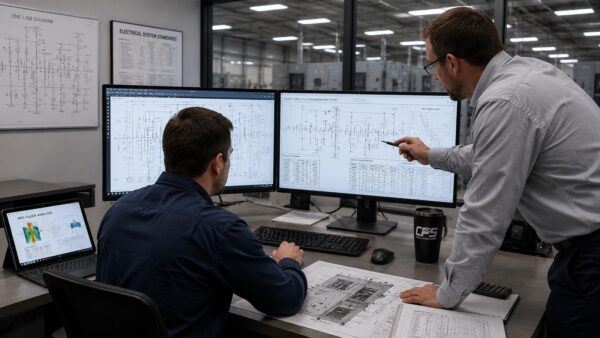
Engineering and Design Services
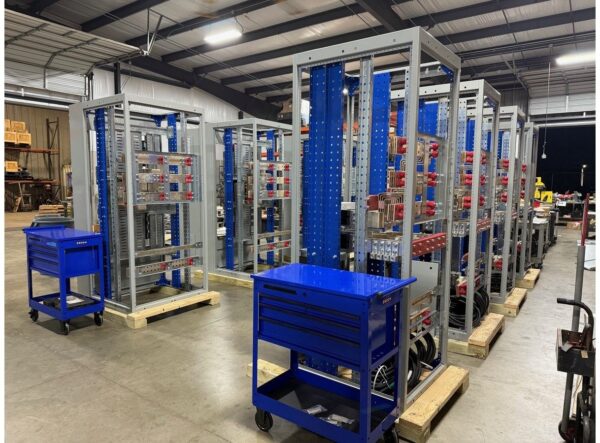
Manufacturing
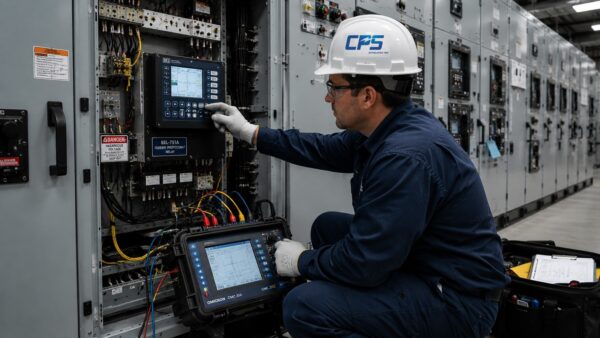
Testing & Commissioning
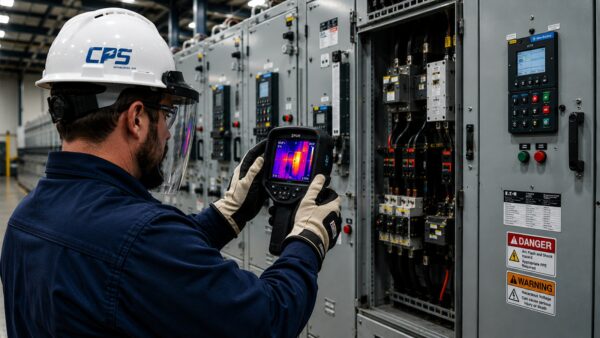
Maintenance and Reliability Services
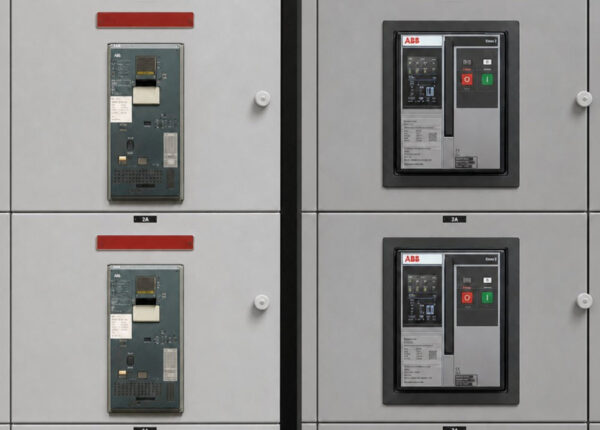
Modernization and Life Extension
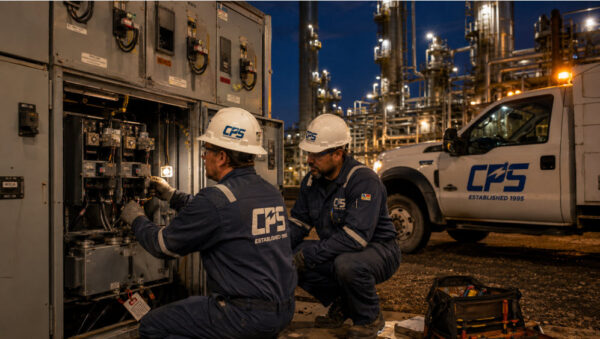
Emergency Response Services for Electrical Power Systems
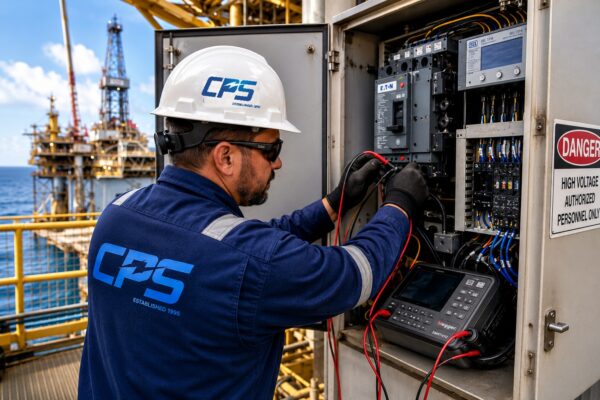
Field Services for Critical Power Infrastructure
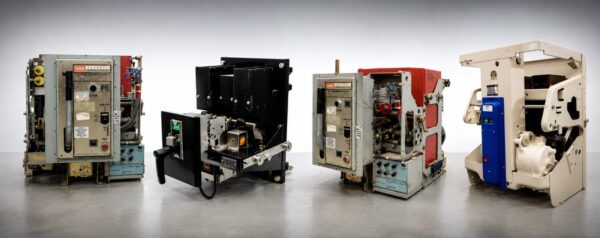
Industrial Circuit Breakers – Sales, Repairs, Retrofits & Parts
We Build What We Sell. We Support What We Build.