CIRCUIT BREAKER RETROFILL SERVICES
Circuit breaker retrofill services help facility owners replace obsolete circuit breakers with modern, fully engineered replacement assemblies that improve reliability, enhance safety, increase maintainability, and extend the life of existing switchgear.
Circuit Breaker Retrofill Services for Modernizing Aging Switchgear Without Replacing the Entire Lineup
Many industrial facilities, utilities, power plants, data centers, and petrochemical operations continue to rely on switchgear that was installed decades ago. While the switchgear structures often remain mechanically sound, the original breakers may have become obsolete, difficult to maintain, and increasingly expensive to support. Spare parts become scarce, repair options become limited, and reliability concerns begin to grow. Yet replacing an entire switchgear lineup may require substantial capital investment, lengthy outages, engineering modifications, and significant operational disruption.
Circuit breaker retrofill services offer an alternative modernization strategy. Rather than replacing only the breaker components or replacing the entire switchgear lineup, a retrofill solution replaces the complete breaker assembly with a new engineered replacement designed specifically for the existing equipment. This approach allows facility owners to modernize critical switching and protection functions while preserving valuable electrical infrastructure.
Coastal Power Systems provides circuit breaker retrofill services for facilities seeking to improve reliability, manage obsolescence, reduce maintenance challenges, and extend equipment life. By combining engineering expertise, testing capabilities, modernization experience, and lifecycle support services, Coastal helps customers maximize the value of existing electrical assets while reducing long-term operational risk.
Our Circuit Breaker Retrofill Services
- Low voltage circuit breaker retrofills
- Medium voltage circuit breaker retrofills
- Obsolete breaker replacement programs
- ABB, GE, Hyundai, and legacy breaker retrofills
- Custom engineered retrofill solutions
- Arc flash reduction upgrades
- Protective relay and trip unit upgrades
- Switchgear life extension programs
- Commissioning and acceptance testing
- Modernization planning and engineering support
What Are Circuit Breaker Retrofill Services?
Circuit breaker retrofill services involve replacing an existing breaker and its associated drawout assembly with a newly engineered breaker package specifically designed for the existing switchgear. Unlike a breaker retrofit, which often modifies portions of the existing breaker structure, a retrofill typically includes a complete replacement assembly engineered to fit directly into the existing switchgear compartment.
The retrofill assembly is designed to replicate the mechanical and electrical interface requirements of the original breaker while incorporating modern breaker technology. This allows facilities to retain the switchgear enclosure, bus structure, and distribution system while upgrading one of the most critical components within the lineup.
For facilities operating obsolete equipment, retrofills often provide a practical solution that combines the benefits of modernization with the advantages of preserving existing infrastructure.
Retrofit Versus Retrofill: Understanding the Difference
Many facility owners use the terms retrofit and retrofill interchangeably, but there are important differences. A retrofit typically modifies existing equipment to accommodate a modern breaker. The original breaker structure or portions of the original assembly may remain in service. A retrofill, on the other hand, generally replaces the complete breaker assembly with a newly engineered unit designed for the existing switchgear compartment.
Both approaches can be effective depending on the application. Retrofits often provide a cost-effective modernization path when existing infrastructure remains suitable for modification. Retrofills are frequently selected when facilities want a more comprehensive replacement solution while still preserving the switchgear lineup.
The best approach depends on equipment condition, modernization objectives, outage constraints, reliability goals, and long-term maintenance strategies.
Why Facilities Choose Circuit Breaker Retrofill Services
Obsolescence is often the primary driver behind retrofill projects. Many legacy breaker designs remain operational but have become increasingly difficult to support. Manufacturers may no longer produce replacement parts. Technical support may be limited. Repair options become less predictable. Maintenance costs rise as equipment ages.
At the same time, many switchgear structures remain fully serviceable. Replacing the entire lineup simply because the breaker has become obsolete may not represent the best use of capital resources. Circuit breaker retrofill services address this challenge by replacing the most critical component while preserving the value of the existing infrastructure.
This approach frequently allows facilities to improve reliability, increase safety, and simplify maintenance without undertaking a complete switchgear replacement project.
The Problem With Obsolete Circuit Breakers
Obsolete breakers create risks that extend beyond maintenance challenges. A breaker failure may require emergency repairs, extended outages, expedited parts procurement, or temporary operating restrictions. Facilities may be forced to purchase refurbished parts with uncertain availability. In some cases, spare parts inventories become the only remaining source of support.
These issues become increasingly concerning in critical facilities where electrical reliability directly affects operations. Data centers, power generation facilities, petrochemical plants, utilities, and industrial manufacturers often cannot tolerate prolonged outages caused by obsolete equipment failures.
Circuit breaker retrofill services help eliminate many of these risks by replacing unsupported technologies with modern equipment backed by current manufacturing and support resources.
How Circuit Breaker Retrofills Improve Reliability
Reliability improvements represent one of the strongest justifications for breaker modernization. Modern breakers offer improved mechanical performance, more advanced protection capabilities, enhanced diagnostics, and better long-term supportability. Facilities gain access to readily available replacement parts, current technology platforms, and improved maintenance resources.
Many modern breaker platforms also incorporate advanced trip units capable of providing system monitoring, event recording, diagnostics, and metering functions that were unavailable when the original equipment was installed. These capabilities help maintenance teams identify developing issues and improve overall system visibility.
As a result, retrofill projects often improve both equipment reliability and operational awareness.
Circuit Breaker Retrofills and Arc Flash Reduction
Many legacy circuit breakers were installed before modern arc flash mitigation technologies became widely available. While the original equipment may continue to perform its primary switching function, it often lacks advanced protection features that help reduce incident energy during maintenance activities. Modern retrofill assemblies can incorporate electronic trip units, maintenance switching modes, zone selective interlocking, and other protection enhancements that improve electrical safety while maintaining system reliability.
Although every electrical system requires individual engineering evaluation, retrofill projects frequently provide an opportunity to incorporate safety improvements that would be difficult or impossible to implement using obsolete breaker technology. These upgrades can become an important part of a broader arc flash reduction strategy while extending the useful life of existing switchgear.
When Is a Circuit Breaker Retrofill Better Than Full Switchgear Replacement?
Complete switchgear replacement is not always necessary when reliability concerns arise. In many facilities, the switchgear structure, bus system, enclosure, and cable terminations remain in good condition while the circuit breakers themselves have become the primary source of maintenance and operational risk. In these situations, retrofill solutions often provide an excellent balance between performance improvement and project cost.
Retrofill projects typically require less demolition, fewer facility modifications, and shorter outage durations than complete switchgear replacement. Because much of the existing infrastructure remains in service, installation schedules can often be reduced while minimizing disruption to facility operations.
A detailed engineering assessment helps determine whether retrofill or complete replacement represents the most practical long-term solution.
Circuit Breaker Retrofills and Lifecycle Asset Management
Electrical asset management focuses on maximizing equipment value while controlling operational risk. Circuit breaker retrofills support this objective by allowing organizations to modernize only the components that have become obsolete while preserving infrastructure that continues to provide reliable service.
Rather than investing in complete replacement years before it becomes necessary, facilities can strategically modernize aging equipment in phases. This approach often improves budget planning, extends asset life, and allows capital expenditures to be distributed over longer planning horizons.
Retrofill projects also provide valuable flexibility for organizations managing large electrical distribution systems. Individual breaker replacements can often be prioritized according to equipment condition, operational criticality, or planned outage schedules.
Circuit Breaker Retrofills for Critical Facilities
Mission-critical facilities often benefit significantly from retrofill solutions because they require reliability improvements while minimizing operational disruption. Data centers depend on continuous electrical service to maintain uptime commitments. Utilities require dependable switching equipment to support system stability. Power generation facilities rely on breaker performance to protect major electrical assets and maintain production.
Industrial manufacturing plants, petrochemical operations, water treatment facilities, transportation infrastructure, and municipalities face similar challenges. Electrical outages can interrupt production, affect public services, or create significant financial losses. Retrofill projects allow these organizations to modernize aging electrical systems while reducing outage durations and preserving valuable infrastructure.
Engineering Considerations for Successful Retrofill Projects
Every retrofill project begins with a detailed evaluation of the existing equipment. Engineers review switchgear construction, breaker compartments, bus configurations, electrical ratings, protection requirements, available fault current, operational objectives, and future maintenance considerations. This evaluation ensures that the replacement assembly is properly matched to both the existing equipment and the facility’s long-term operating requirements.
Successful retrofill projects also include commissioning, functional testing, protection verification, and documentation updates before the equipment returns to service. These activities help confirm that the modernized system performs according to engineering requirements while supporting long-term reliability.
Why Coastal Power Systems?
Circuit breaker retrofill projects require expertise that extends well beyond equipment replacement. Coastal Power Systems combines modernization experience with engineering studies, protective relay testing, primary and secondary injection testing, commissioning services, preventive maintenance programs, switchgear manufacturing, and lifecycle asset management. This comprehensive approach ensures that retrofill projects are evaluated within the context of overall system performance rather than simply replacing obsolete equipment.
By integrating engineering, testing, modernization, and long-term support services, Coastal helps customers improve reliability while making informed decisions about equipment lifecycle planning. Every recommendation is based on equipment condition, operational requirements, maintenance objectives, and future system needs.
Request a Circuit Breaker Retrofill Evaluation
Whether you are managing obsolete switchgear, planning a modernization project, improving reliability, or evaluating alternatives to complete equipment replacement, Coastal Power Systems can help determine whether a circuit breaker retrofill solution is the right fit for your facility.
Frequently Asked Questions
What is a circuit breaker retrofill?
A circuit breaker retrofill replaces the entire breaker assembly with a newly engineered replacement designed specifically for the existing switchgear compartment, allowing facilities to modernize equipment without replacing the complete lineup.
What is the difference between a retrofit and a retrofill?
A retrofit typically modifies existing equipment to accept a new breaker, while a retrofill replaces the complete breaker assembly with a newly engineered replacement designed for the original switchgear.
Can retrofills improve electrical safety?
Yes. Modern retrofill assemblies often include advanced electronic trip units and protection technologies that can support arc flash reduction and improve overall electrical system safety.
When should facilities consider a retrofill project?
Facilities should consider retrofills when circuit breakers become obsolete, replacement parts are difficult to obtain, maintenance costs increase, or modernization is needed without replacing the complete switchgear lineup.
Are retrofills less disruptive than replacing switchgear?
In many cases, yes. Retrofills preserve much of the existing electrical infrastructure, which can reduce installation time, minimize facility modifications, and shorten outage durations compared to complete switchgear replacement.
Additional Information
The following organizations publish widely recognized standards, technical guidance, and best practices related to electrical equipment modernization, circuit breakers, and power system reliability.
Explore Our Capabilities
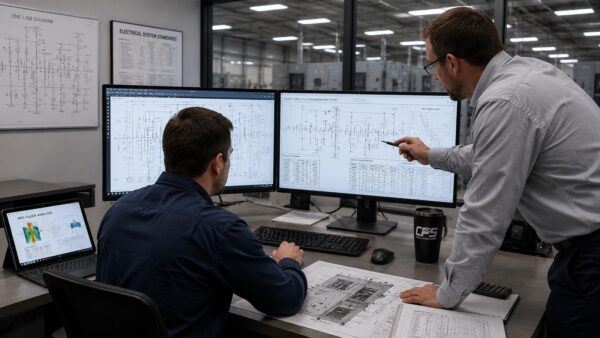
Engineering and Design Services
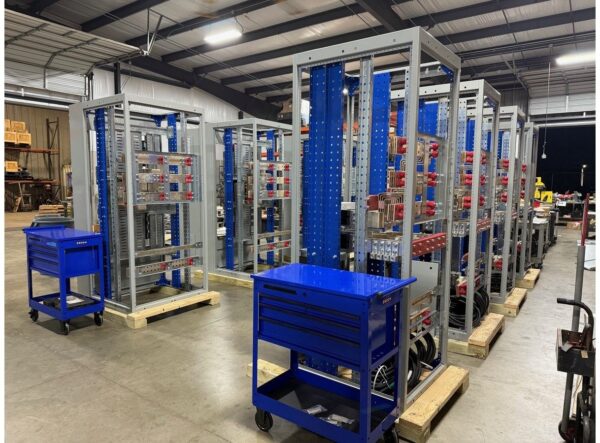
Manufacturing
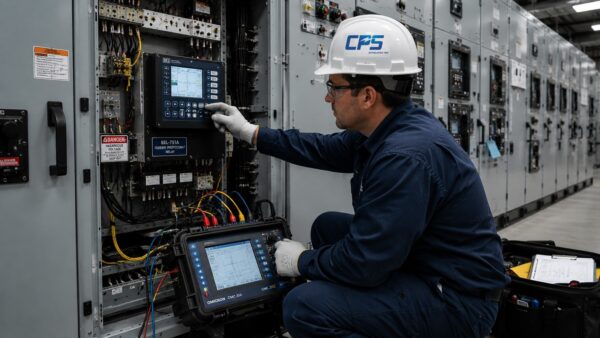
Testing & Commissioning
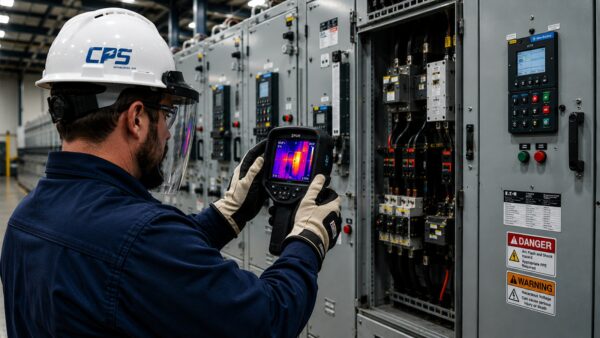
Maintenance and Reliability Services
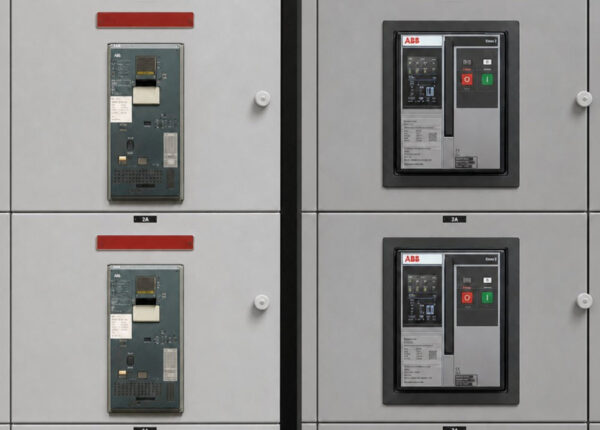
Modernization and Life Extension
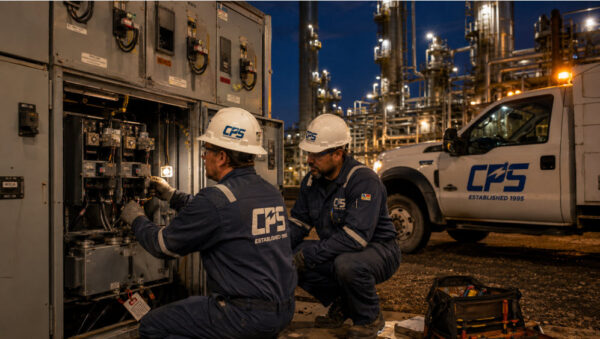
Emergency Response Services for Electrical Power Systems
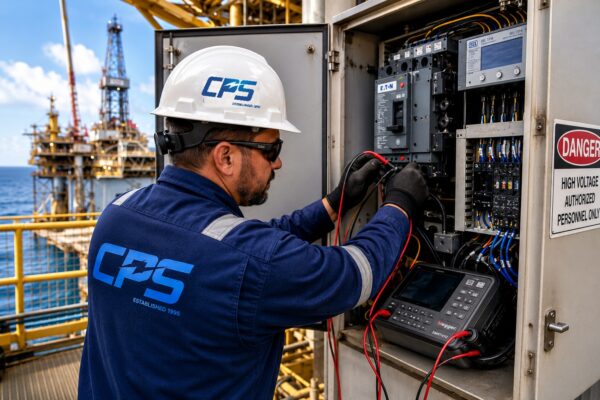
Field Services for Critical Power Infrastructure
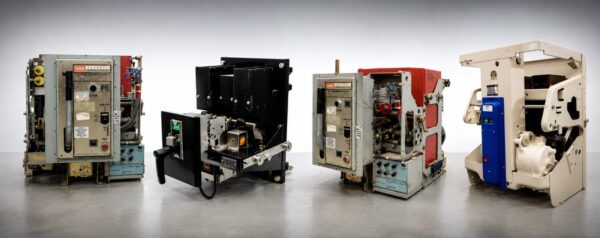
Industrial Circuit Breakers – Sales, Repairs, Retrofits & Parts
We Build What We Sell. We Support What We Build.