ENGINEERING STUDIES
Electrical power system engineering studies help facility owners identify hidden risks, improve reliability, reduce downtime, and make informed decisions about electrical infrastructure investments before problems affect operations.
Engineering Studies for Reliability, Safety, and Risk Reduction
Electrical distribution systems become more complex as facilities expand, equipment ages, and operating requirements change. New production equipment, utility upgrades, generator additions, renewable energy projects, modernization efforts, and changing electrical loads can all affect system performance. Unfortunately, many facilities operate without a complete understanding of how their electrical system will respond during fault conditions, equipment failures, maintenance activities, or future expansion projects.
Coastal Power Systems provides engineering studies for electrical power systems that help facility owners, utilities, EPC firms, consulting engineers, and operations teams evaluate system performance, identify risks, improve safety, and support long-term reliability objectives. These studies provide the technical foundation needed to make informed decisions regarding system design, equipment upgrades, protective device settings, maintenance strategies, and modernization projects.
Our Engineering Studies Services
- Short Circuit Studies
- Power Coordination Studies
- Arc Flash Hazard Analysis
- Protective Relay Studies
- Load Flow Studies
- Power Quality Analysis
- Reliability Assessments
- Equipment Evaluation Studies
- Expansion and Modernization Planning
- Utility Interconnection Studies
Why Engineering Studies Matter
Many electrical failures occur because system conditions change over time while protection settings, equipment ratings, and operating procedures remain unchanged. Facilities add new loads, replace transformers, install generators, modify distribution systems, and expand production capacity. Each change can affect available fault current, protective device coordination, arc flash incident energy, equipment loading, and overall system reliability.
Without engineering studies, these changes often go unnoticed until a fault event, outage, equipment failure, or safety incident occurs. Engineering studies for electrical power systems provide a detailed understanding of how the electrical system behaves under both normal and abnormal operating conditions. This information allows facility owners to identify potential issues before they become operational problems.
What Problems Can Engineering Studies Identify?
One of the biggest misconceptions about engineering studies is that they are performed only to satisfy compliance requirements. While studies may support regulatory or safety objectives, their greatest value often comes from identifying operational risks that would otherwise remain hidden.
Engineering studies can identify overloaded equipment, inadequate fault-current ratings, improperly coordinated protective devices, excessive arc flash hazards, voltage drop issues, power quality concerns, and reliability vulnerabilities. In many cases, correcting these issues proactively costs far less than responding to an unexpected outage or equipment failure.
For facilities operating critical processes, data centers, utilities, power generation assets, or petrochemical operations, understanding these risks is often essential to maintaining uptime and protecting revenue-producing assets.
Core Engineering Studies for Electrical Power Systems
Short Circuit Studies
Short circuit studies evaluate available fault current throughout an electrical distribution system so equipment ratings can be verified before a fault event occurs.
Power Coordination Studies
Coordination studies evaluate breakers, fuses, relays, and other protective devices to help ensure faults are isolated with minimal disruption to the rest of the facility.
Arc Flash Hazard Analysis
Arc flash studies calculate incident energy levels, support equipment labeling, and identify opportunities to reduce worker exposure during energized work.
Protective Relay Studies
Protective relay studies support proper relay settings, selective operation, and system protection strategies for critical power distribution applications.
Load Flow Studies
Load flow studies evaluate how power moves through the system under normal and planned operating conditions, helping identify loading and voltage concerns.
Power Quality Analysis
Power quality analysis helps identify voltage irregularities, harmonics, disturbances, and operating conditions that may affect sensitive or critical equipment.
Short Circuit Studies: Understanding Available Fault Current
A short circuit study evaluates the amount of fault current available throughout an electrical distribution system. This information is critical because every breaker, fuse, switchboard, panelboard, motor control center, and switchgear lineup must be capable of safely interrupting available fault current.
Utility changes, transformer upgrades, generator additions, and facility expansions can increase available fault current over time. Equipment that was properly rated when originally installed may no longer be adequately protected. A short circuit study helps engineers identify these conditions before a fault event occurs.
Power Coordination Studies: Minimizing Unnecessary Outages
Protective device coordination studies evaluate how breakers, fuses, relays, and other protective devices operate during fault conditions. The objective is to ensure that the device closest to the fault clears first while minimizing disruption to the rest of the facility.
Poor coordination can cause a localized fault to interrupt power to large portions of a facility. Properly coordinated protection systems improve reliability, reduce downtime, and help facilities recover more quickly from electrical disturbances.
Arc Flash Studies: Improving Worker Safety
Arc flash studies calculate incident energy levels throughout the electrical distribution system and identify the personal protective equipment requirements associated with energized work. More importantly, arc flash studies often reveal opportunities to reduce incident energy through equipment upgrades, protection setting changes, maintenance mode implementation, or system modifications.
For many facilities, the study itself is only the beginning. The real value comes from identifying practical strategies to improve safety while maintaining operational reliability.
Reliability Assessments: Looking Beyond Compliance
Compliance studies often focus on whether the system meets specific requirements. Reliability assessments focus on whether the system will continue supporting facility operations under real-world conditions.
Reliability assessments evaluate equipment condition, system architecture, maintenance practices, redundancy strategies, failure history, spare parts availability, and operational vulnerabilities. These assessments help organizations prioritize investments that will have the greatest impact on reliability and uptime.
When Should Facilities Perform Engineering Studies?
Engineering studies should not be viewed as one-time projects. Facilities should consider updating studies whenever significant changes occur within the electrical system. Examples include major equipment additions, transformer replacements, generator installations, utility modifications, facility expansions, protection system changes, and modernization projects.
Facilities operating older electrical infrastructure should also periodically review existing studies to ensure they remain accurate. System conditions can change significantly over time, even when no major projects have been completed.
Industries That Benefit from Engineering Studies
Electrical power system engineering studies provide value across a wide range of industries. Data centers rely on these studies to maintain uptime and support future expansion. Utilities use engineering studies to improve system performance and reliability. Power generation facilities depend on accurate system models to support protection schemes and operational planning.
Industrial manufacturing facilities use engineering studies to reduce downtime and improve asset utilization. Petrochemical facilities, refineries, water treatment plants, and municipal infrastructure operators all benefit from understanding the risks and capabilities of their electrical systems.
Why Coastal Power Systems?
Electrical power system engineering studies are most valuable when they support practical operational decisions. Coastal Power Systems combines engineering expertise with manufacturing, testing, commissioning, maintenance, modernization, and lifecycle support capabilities. This broader perspective allows engineering studies to be evaluated within the context of real-world operating conditions rather than as standalone reports.
Because Coastal supports equipment throughout its lifecycle, study recommendations can be aligned with maintenance strategies, modernization plans, reliability objectives, and future expansion requirements. The result is actionable information that helps facility owners improve safety, reduce risk, and make informed decisions regarding their electrical infrastructure.
Request an Engineering Study Review
Whether you are planning a facility expansion, evaluating aging infrastructure, integrating new equipment, improving reliability, or preparing for a modernization project, Coastal Power Systems can help assess your electrical system and identify opportunities to improve safety, reliability, and operational performance.
Frequently Asked Questions
What is an electrical power system engineering study?
An electrical power system engineering study evaluates the performance, safety, reliability, and protection characteristics of an electrical distribution system using engineering analysis and system modeling.
How often should engineering studies be updated?
Studies should be reviewed whenever significant changes occur within the electrical system and periodically throughout the life of the facility to ensure results remain accurate.
Are engineering studies only required for compliance?
No. While some studies support compliance requirements, many organizations use engineering studies to improve reliability, reduce downtime, support expansion projects, and identify operational risks.
What is the difference between a coordination study and an arc flash study?
A coordination study evaluates how protective devices operate during faults, while an arc flash study evaluates worker exposure to arc flash hazards and calculates incident energy levels.
Additional Information
The following organizations publish widely recognized standards, technical guidance, and best practices related to electrical power system engineering studies, protection system analysis, and electrical safety.
Explore Our Capabilities
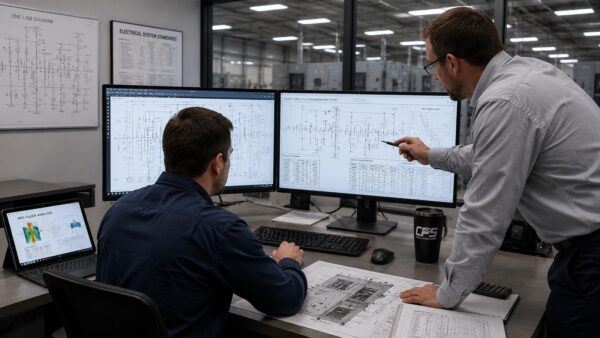
Engineering and Design Services
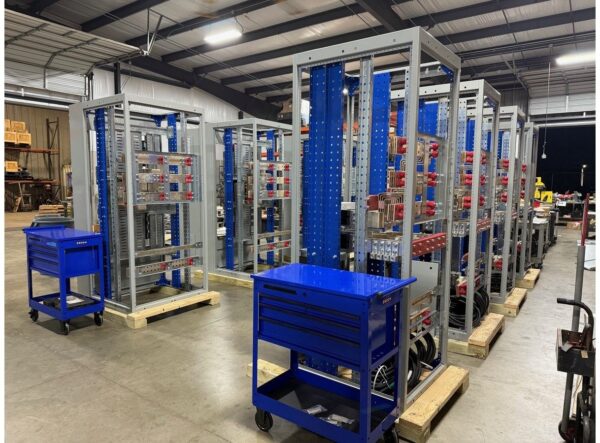
Manufacturing
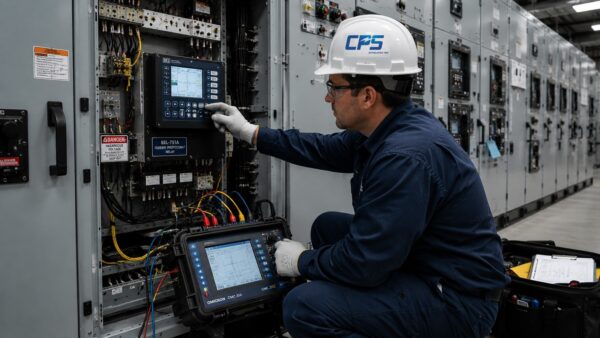
Testing & Commissioning
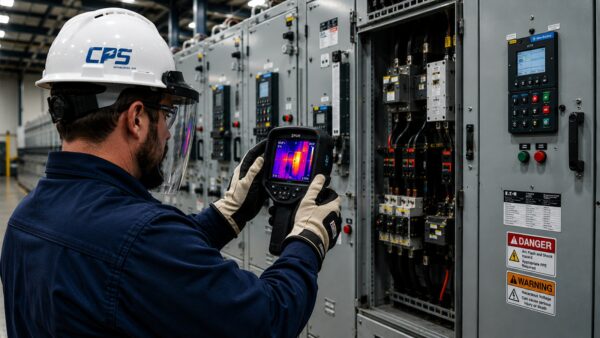
Maintenance and Reliability Services
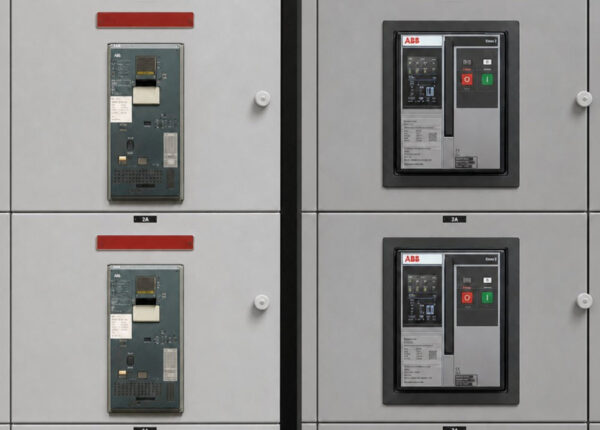
Modernization and Life Extension
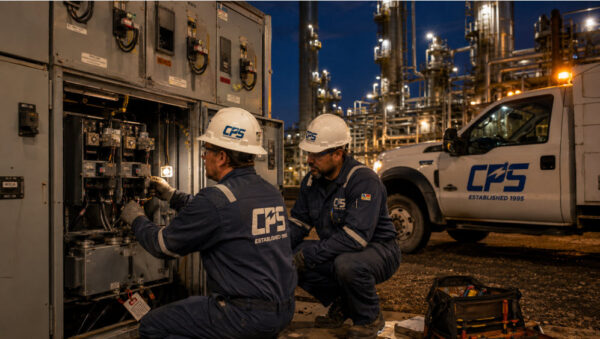
Emergency Response Services for Electrical Power Systems
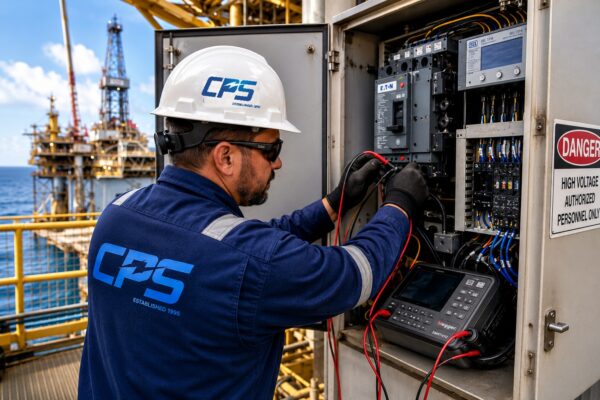
Field Services for Critical Power Infrastructure
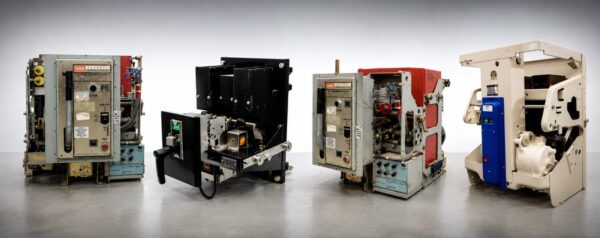
Industrial Circuit Breakers – Sales, Repairs, Retrofits & Parts
We Build What We Sell. We Support What We Build.