PROTECTION & CONTROL SYSTEMS
Custom protection and control system integration solutions designed to improve power system reliability, enhance fault protection, support system automation, and provide long-term operational flexibility for industrial, utility, power generation, and critical infrastructure applications.
Protection and Control System Integration Services for Reliable, Safe, and Intelligent Power System Operation
Protection and control systems are the intelligence behind modern electrical power systems. While switchgear, transformers, breakers, and distribution equipment physically move electrical power throughout a facility, protection and control systems determine how those assets respond during normal operations, abnormal conditions, and fault events. When properly designed and integrated, these systems help prevent equipment damage, reduce outage impacts, improve personnel safety, and provide operators with the information needed to manage increasingly complex electrical networks.
Many organizations invest heavily in electrical equipment but underestimate the importance of protection and control system integration. In reality, some of the most costly electrical failures occur not because equipment fails mechanically, but because protection systems operate incorrectly, coordination schemes are not properly implemented, communication systems fail, or control logic does not perform as intended. These issues can lead to unnecessary outages, equipment damage, extended downtime, and significant operational disruption.
Coastal Power Systems provides protection and control system integration services that help facility owners, EPC firms, utilities, industrial operators, and power generation companies develop reliable, coordinated, and scalable power system solutions. By combining engineering expertise, power system studies, relay testing, commissioning services, and lifecycle support capabilities, CPS helps customers ensure that electrical systems perform as intended throughout their operational life.
Our Protection and Control System Integration Services
- Protective relay system design
- Control system integration
- Protection coordination implementation
- SCADA and communications integration
- Utility interconnection support
- Generator protection systems
- Substation protection and controls
- Power system automation
- Relay programming and configuration
- Testing, commissioning, and startup support
What Are Protection and Control System Integration Services?
Protection and control system integration services involve designing, configuring, programming, testing, and commissioning the systems responsible for monitoring and controlling electrical power distribution equipment. These systems include protective relays, communication networks, control panels, automation systems, SCADA interfaces, metering devices, and associated software platforms.
The objective is to ensure that every component operates as a coordinated system. During normal operation, protection and control systems provide monitoring, communications, diagnostics, and operational control. During fault conditions, they detect abnormal events, isolate affected equipment, and help maintain electrical service to the remainder of the system whenever possible.
Successful integration requires much more than connecting devices together. It requires a detailed understanding of power system behavior, protection philosophies, communications architecture, operational requirements, and long-term reliability objectives.
Why Protection and Control Systems Matter
Electrical systems experience equipment failures, utility disturbances, overloads, short circuits, ground faults, and operational changes throughout their service life. Protection and control systems determine how the electrical infrastructure responds when these events occur. A properly integrated protection system can isolate a fault within milliseconds, limiting equipment damage while minimizing operational disruption. A poorly integrated system can unnecessarily trip healthy equipment, increase outage duration, or even contribute to equipment damage.
As electrical systems become increasingly automated and interconnected, the importance of properly designed protection and control systems continues to grow. Modern facilities depend on digital protective relays, communication networks, intelligent electronic devices, remote monitoring platforms, and automated switching schemes that must all function together reliably under a wide variety of operating conditions.
For many facilities, the performance of the protection system has a greater impact on long-term reliability than the equipment itself.
The Challenge of Multi-Vendor System Integration
Modern electrical infrastructure often combines equipment supplied by multiple manufacturers. Switchgear may come from one supplier while protective relays, SCADA systems, automation hardware, communications equipment, and control software originate from several others. Although each component may function correctly by itself, problems frequently appear when these systems must communicate and operate together.
Communication protocols may not be configured properly. Relay settings may not match the approved coordination study. Control logic may conflict with operating procedures. Automation sequences may not perform as expected. These issues frequently remain hidden until commissioning or until the system experiences an actual fault.
Protection and control system integration services help eliminate these risks by verifying that every component operates as part of a coordinated electrical system rather than as a collection of independent devices.
Protection Systems and Electrical Reliability
Reliability depends heavily on protection system performance. During a fault, protective devices must operate quickly, accurately, and selectively. The goal is to isolate only the affected equipment while maintaining electrical service to the remainder of the facility whenever practical.
Achieving this level of performance requires proper coordination between protective relays, circuit breakers, transformers, generators, motor control centers, utility interconnections, and distribution equipment. Coordination studies establish the protection philosophy, but successful implementation depends on proper relay programming, control logic development, communications integration, testing, and commissioning.
Without proper integration, even the best engineering study cannot deliver the intended operational performance.
Applications for Protection and Control System Integration
Protection and control system integration supports virtually every sector of the electrical power industry. Utilities depend on integrated protection systems to maintain transmission and distribution reliability. Power generation facilities use sophisticated protection and control schemes to safeguard generators, transformers, and utility interconnections. Industrial manufacturers rely on protection systems to maintain production while protecting valuable electrical assets.
Data centers use integrated control systems to support redundancy, maintain uptime objectives, and manage increasingly complex power distribution architectures. Petrochemical facilities, mining operations, water and wastewater treatment plants, transportation infrastructure, renewable energy installations, and government facilities all rely on properly integrated protection and control systems to support safe and reliable operation.
Although operational requirements vary across industries, the objective remains consistent: dependable electrical system performance under both normal operating conditions and fault scenarios.
Generator and Utility Interconnection Applications
One of the most demanding applications for protection and control system integration involves utility interconnections and on-site power generation. Generator protection systems must coordinate with utility protection requirements, facility distribution systems, synchronization controls, and operating procedures. Transfer schemes, communication systems, and protective relays must function together correctly to ensure safe operation under all operating conditions.
Poor integration can result in nuisance trips, synchronization failures, utility compliance issues, unnecessary outages, and equipment damage. Properly integrated protection systems help facilities satisfy utility requirements while maintaining operational reliability.
These projects typically require engineering studies, relay programming, control system integration, commissioning, and comprehensive testing before the system is placed into service.
How Protection and Control Systems Support Modernization
Many facilities continue operating electrical infrastructure installed decades ago. While the switchgear, transformers, and distribution equipment may remain mechanically sound, the protection systems often rely on aging electromechanical relays, obsolete communications equipment, and outdated control technologies that limit reliability and increase maintenance requirements.
Protection and control modernization allows facilities to improve reliability without necessarily replacing the entire electrical distribution system. Upgrading to modern digital relays, advanced communications networks, intelligent automation platforms, and contemporary control architectures provides improved visibility, better diagnostics, simplified maintenance, and greater operational flexibility.
For many organizations, protection system modernization represents one of the most cost-effective opportunities for improving electrical system performance while extending the useful life of existing infrastructure.
Testing and Commissioning Considerations
Protection and control systems should never be considered complete until they have been thoroughly tested and commissioned. Design reviews, relay programming, and equipment installation represent only part of the process. Verification testing ensures that the system performs as intended under actual operating conditions.
Commissioning activities often include relay testing, logic verification, communication testing, breaker control verification, functional testing, and operational sequence validation. These activities help identify configuration errors, communication problems, and control logic issues before the system enters service.
Testing and commissioning are essential steps in ensuring long-term system reliability.
Protection and Control Systems for EPC Firms and Industrial Facilities
EPC firms, engineers, procurement professionals, and facility owners often face significant challenges when managing complex protection and control projects. Project schedules are tight. Equipment vendors may vary from project to project. Communication protocols and protection requirements continue to evolve.
Working with an organization that understands both electrical power systems and system integration can help reduce project risk. Protection and control systems affect virtually every aspect of power system performance, making proper integration one of the most important factors influencing long-term reliability.
For EPC firms and facility owners, successful integration often means fewer startup issues, faster commissioning, and more reliable long-term operation.
Why Coastal Power Systems?
Coastal Power Systems combines protection and control system integration capabilities with engineering studies, protection coordination studies, arc flash studies, relay testing, NETA-guided testing, commissioning services, switchgear manufacturing, modernization programs, and lifecycle support. This allows protection systems to be designed and implemented within the context of overall power system performance.
CPS understands that protection systems must do more than operate correctly during a fault. They must support reliability objectives, maintenance strategies, modernization plans, and long-term operational goals. By combining engineering expertise with practical field experience, CPS helps customers develop protection and control systems that support safe, reliable, and efficient power system operation.
This integrated approach helps reduce project risk while improving long-term system performance.
Request a Protection and Control System Consultation
Whether you are designing a new power system, modernizing aging infrastructure, integrating generation assets, or improving protection system performance, Coastal Power Systems can help develop a solution that supports long-term reliability, safety, and operational performance.
Frequently Asked Questions
What are protection and control system integration services?
Protection and control system integration services involve designing, programming, configuring, testing, and commissioning the systems responsible for monitoring and controlling electrical power distribution equipment.
Why are protection systems important?
Protection systems detect faults, isolate affected equipment, reduce equipment damage, improve safety, and help maintain electrical system reliability during abnormal operating conditions.
What industries use protection and control systems?
Utilities, power generation facilities, industrial manufacturers, data centers, petrochemical facilities, water treatment plants, transportation systems, and renewable energy projects all rely on protection and control systems.
Can protection systems be modernized without replacing switchgear?
Yes. Many facilities upgrade relays, communication systems, control platforms, and automation technologies while retaining existing switchgear infrastructure.
Why is testing important for protection and control systems?
Testing verifies that protection schemes, communication systems, control logic, and operational sequences perform correctly before the system enters service.
Additional Information
The following organizations publish widely recognized standards, technical guidance, and best practices related to protection and control systems, power system reliability, and electrical engineering.
- IEEE Power & Energy Society (PES)
- InterNational Electrical Testing Association (NETA)
Explore Our Capabilities
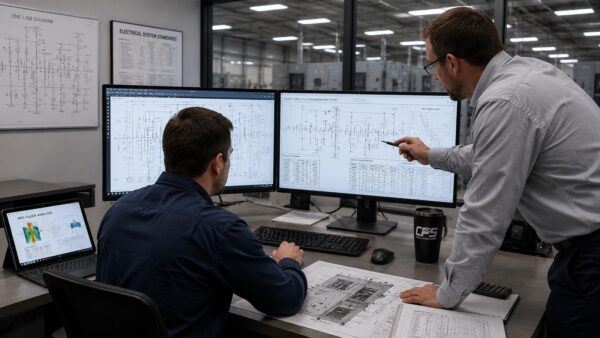
Engineering and Design Services
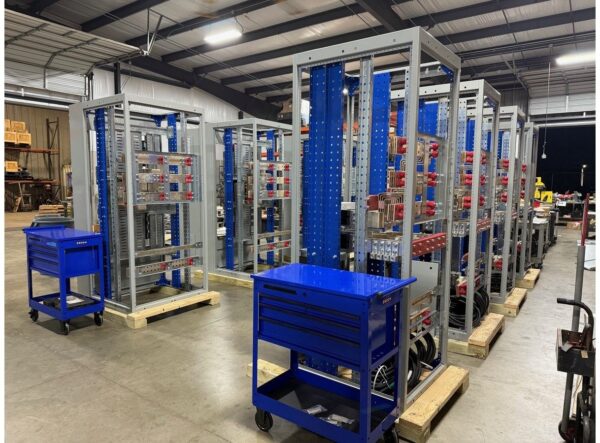
Manufacturing
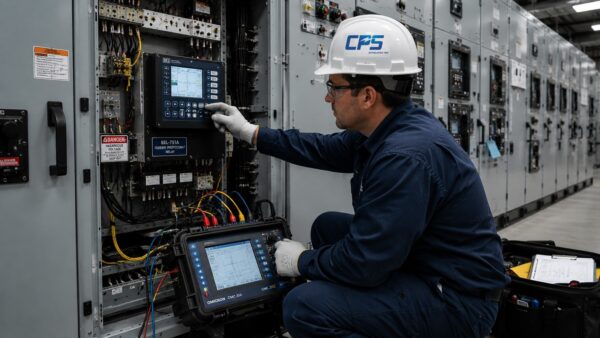
Testing & Commissioning
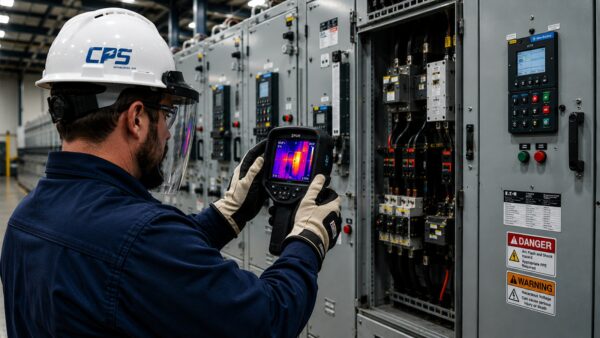
Maintenance and Reliability Services
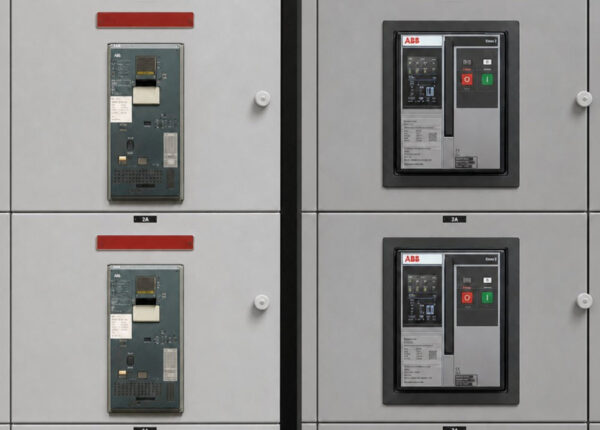
Modernization and Life Extension
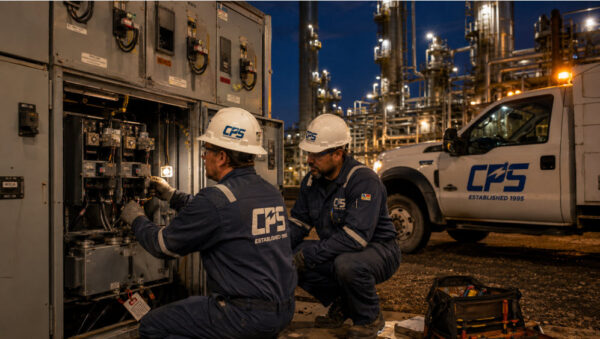
Emergency Response Services for Electrical Power Systems
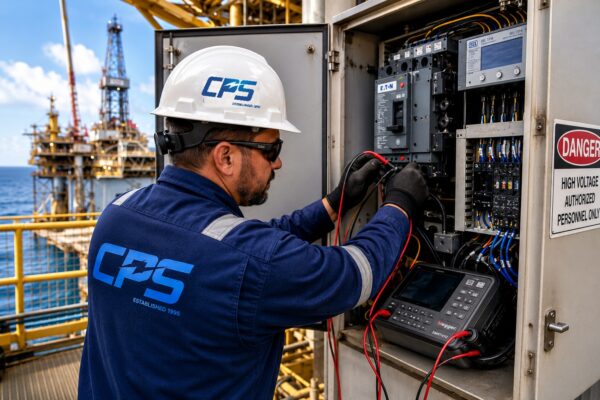
Field Services for Critical Power Infrastructure
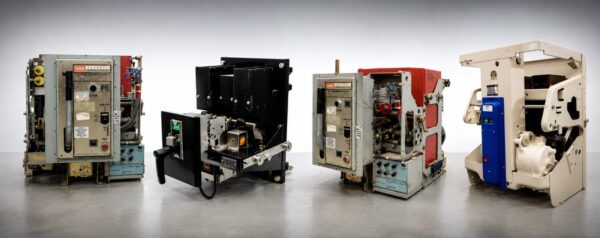
Industrial Circuit Breakers – Sales, Repairs, Retrofits & Parts
We Build What We Sell. We Support What We Build.