POWER SYSTEM COORDINATION STUDIES
Power system coordination study services help facilities minimize unnecessary outages, improve electrical system reliability, reduce arc flash risk, and ensure protective devices operate as intended during fault conditions.
Power System Coordination Study Services for Reliability, Safety, and Operational Continuity
Most electrical distribution systems contain dozens or even hundreds of protective devices including circuit breakers, relays, fuses, motor protection devices, and protective controls. During a fault event, each of these devices must operate in the proper sequence to isolate the problem while maintaining service to the rest of the facility. When protective devices are not properly coordinated, a localized fault can trigger a much larger outage than necessary.
Coastal Power Systems provides power system coordination study services to help industrial facilities, utilities, data centers, power generation companies, EPC firms, and critical infrastructure operators evaluate protective device performance throughout their electrical distribution systems. These studies help identify coordination issues, verify protection settings, improve reliability, support modernization projects, and reduce operational risk before an outage occurs.
Our Power Coordination Study Services
- Protective Device Coordination Studies
- Time Current Coordination Analysis
- Circuit Breaker Coordination Studies
- Protective Relay Coordination Studies
- Fuse Coordination Analysis
- Generator Protection Coordination
- Utility Service Coordination Studies
- Motor Protection Coordination
- Arc Flash Mitigation Recommendations
- Protection System Modernization Support
What Is a Power System Coordination Study?
A power system coordination study evaluates how protective devices respond during fault conditions throughout an electrical distribution system. Using system modeling software and engineering analysis, the study determines whether breakers, relays, and fuses operate in the correct sequence and at the appropriate times. The objective is to isolate the fault while minimizing disruption to the remainder of the facility.
For example, if a fault occurs on a branch circuit, the branch circuit breaker should operate before upstream breakers open. If an upstream breaker trips first, power may be lost to large portions of the facility even though the actual problem is limited to a single circuit. Proper coordination reduces the scope of outages, improves system reliability, and helps facilities recover more quickly from electrical disturbances.
Why Coordination Studies Matter More Than Most Facilities Realize
Many facilities assume that because their electrical system is operating normally, the protection system is functioning correctly. Unfortunately, coordination problems often remain hidden until a fault occurs. Electrical systems evolve over time. New equipment is added, transformers are replaced, generators are installed, loads increase, and protective devices are modified. Each change can affect the performance of the protection system.
In many facilities, protection settings remain unchanged for years or even decades despite significant modifications to the electrical distribution system. As a result, the coordination study originally performed during construction may no longer reflect actual operating conditions. This creates a situation where facility personnel may not discover a coordination problem until a fault event causes an unexpected outage.
Common Problems Identified During Coordination Studies
One of the most common issues discovered during coordination studies is overlapping protection curves. This occurs when multiple protective devices respond at nearly the same time during a fault condition. Instead of selectively isolating the affected equipment, multiple devices may operate simultaneously, increasing the size of the outage.
Engineers also frequently discover improperly adjusted relay settings, mismatched breaker trip units, incorrect fuse selections, and protection schemes that no longer align with current system conditions. In facilities that have undergone years of incremental modifications, it is common to find that protection systems have gradually drifted away from the original engineering intent.
Coordination studies help identify these issues before they result in operational disruptions.
How Coordination Studies Improve Reliability
The primary purpose of a power system coordination study is improving reliability. Every unnecessary outage carries consequences. Production stops, data processing may be interrupted, maintenance resources are diverted, and facility personnel spend valuable time investigating events that could have been avoided.
By ensuring that protective devices operate in the proper sequence, coordination studies reduce the number of customers, systems, or production areas affected by a fault. The fault still occurs, but its impact is limited. This ability to contain problems is one of the most effective ways to improve overall electrical system reliability.
For facilities operating critical processes, even a small reduction in outage scope can produce significant operational and financial benefits.
The Relationship Between Coordination Studies and Arc Flash Safety
Power system coordination studies and arc flash studies are closely related. In many facilities, improving coordination can also create opportunities to reduce arc flash incident energy. However, these objectives must be balanced carefully because improving one characteristic can sometimes negatively affect the other.
For example, delaying a breaker trip may improve coordination but increase incident energy. Accelerating breaker operation may reduce arc flash exposure but affect selectivity. Engineers must evaluate both objectives simultaneously to develop solutions that support safety and reliability.
This is one reason coordination studies are often performed alongside short circuit studies and arc flash analyses as part of a comprehensive engineering evaluation.
When Should Facilities Perform a Coordination Study?
Facilities should consider updating coordination studies whenever significant changes occur within the electrical distribution system. Examples include utility service upgrades, transformer replacements, generator installations, major equipment additions, switchgear modernization projects, relay upgrades, or facility expansions.
Facilities operating older electrical infrastructure should also periodically review existing studies to verify that protection settings remain appropriate. Even when no major projects have occurred, utility conditions and system loading can change significantly over time.
Industries That Benefit Most from Coordination Studies
Power system coordination study services provide value across nearly every industry, but they are particularly important for organizations where electrical reliability directly affects operations. Data centers depend on selective coordination to maintain uptime. Utilities require coordinated protection to maintain service reliability. Power generation facilities rely on properly coordinated protection schemes to protect critical assets.
Petrochemical facilities, refineries, industrial manufacturing plants, water treatment facilities, and municipal infrastructure operators all benefit from reducing the scope and duration of electrical outages. In these environments, coordination studies are often viewed as reliability investments rather than engineering exercises.
Why Coastal Power Systems?
Power system coordination studies are most valuable when they lead to practical improvements that can be implemented in the field. Coastal Power Systems combines engineering capabilities with testing, commissioning, relay services, switchgear modernization, maintenance programs, and lifecycle support. This allows study recommendations to be evaluated within the context of real-world operating conditions and facility objectives.
Because Coastal supports electrical infrastructure throughout its lifecycle, coordination studies can be integrated with reliability programs, modernization projects, arc flash mitigation efforts, and maintenance strategies. The result is actionable information that helps facilities improve reliability while reducing operational risk.
Request a Coordination Study Review
If your facility has experienced nuisance trips, unexplained outages, equipment upgrades, generator additions, utility changes, or switchgear modernization projects, a power system coordination study may identify opportunities to improve reliability and reduce operational risk.
Frequently Asked Questions
What is a power system coordination study?
A power system coordination study evaluates how breakers, relays, fuses, and other protective devices respond during fault conditions to ensure faults are isolated while minimizing disruption to the rest of the electrical system.
How often should coordination studies be updated?
Studies should be reviewed whenever significant changes occur within the electrical system and periodically throughout the life of the facility to verify protection settings remain appropriate.
Can a coordination study reduce outages?
Yes. Proper coordination helps limit the number of devices affected during a fault event, reducing the size and duration of outages.
Is a coordination study the same as an arc flash study?
No. Coordination studies focus on protective device performance while arc flash studies evaluate incident energy and worker safety. However, the two studies are closely related and are often performed together.
Additional Information
The following organizations publish widely recognized standards, technical guidance, and best practices related to power system coordination studies, protective device coordination, protective relaying, and electrical safety.
Explore Our Capabilities
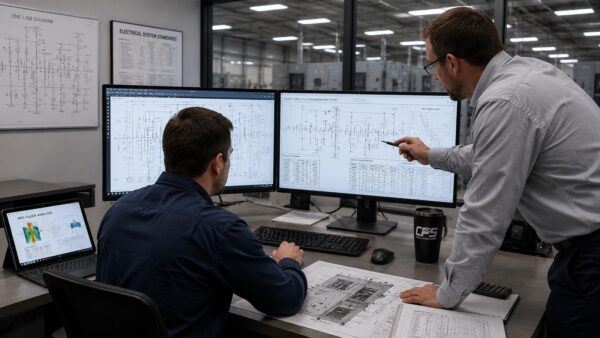
Engineering and Design Services
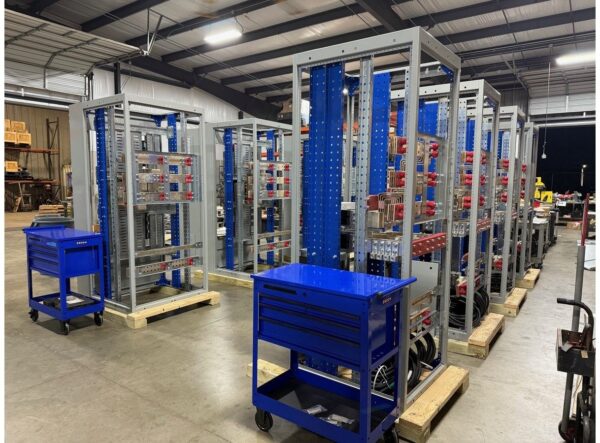
Manufacturing
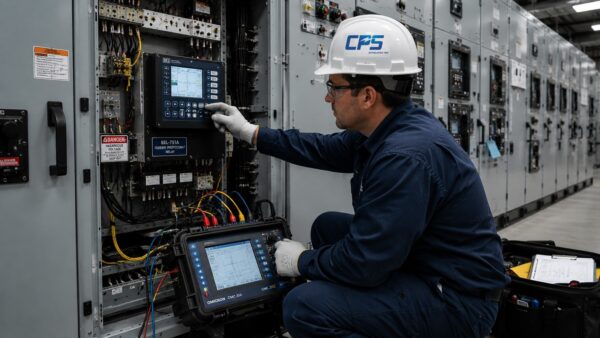
Testing & Commissioning
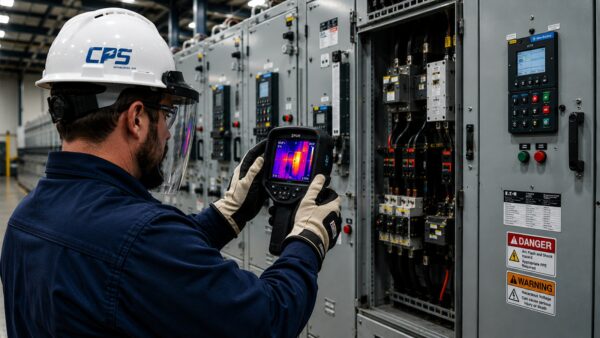
Maintenance and Reliability Services
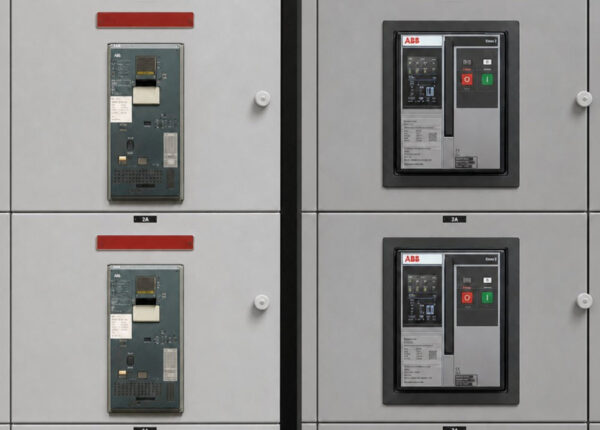
Modernization and Life Extension
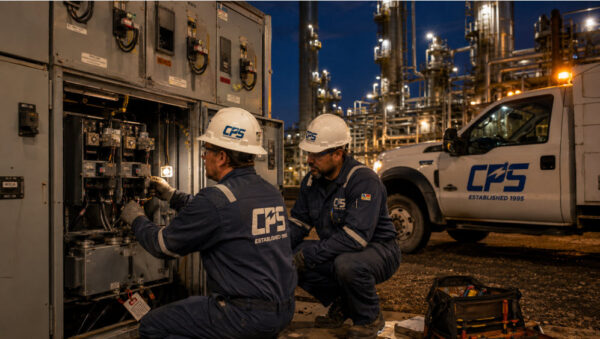
Emergency Response Services for Electrical Power Systems
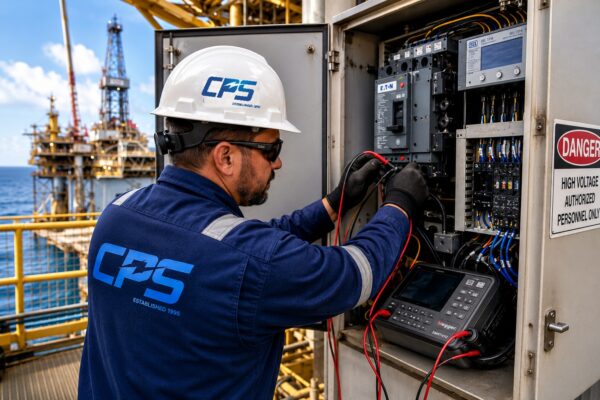
Field Services for Critical Power Infrastructure
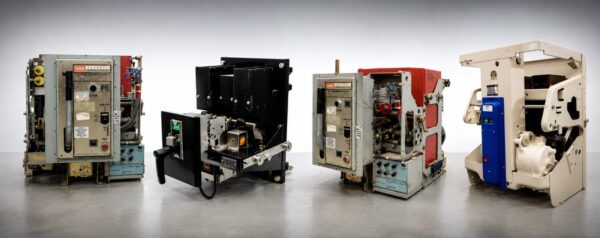
Industrial Circuit Breakers – Sales, Repairs, Retrofits & Parts
We Build What We Sell. We Support What We Build.