UL 67 PANELBOARDS
Custom UL 67 panelboards engineered to simplify installation, support facility growth, reduce project complexity, and provide reliable branch circuit distribution for commercial, light industrial, and mission-critical applications.
UL 67 Panelboards Manufactured by Coastal Power Systems
Coastal Power Systems manufactures custom UL 67 panelboards for commercial, industrial, utility, infrastructure, and mission-critical applications. Each panelboard can be engineered and configured around project-specific voltage, amperage, circuit, enclosure, space, protection, and installation requirements.
Most electrical distribution systems eventually require additional circuits, new equipment connections, tenant improvements, facility expansions, or modernization of aging branch-circuit infrastructure. Although switchgear and switchboards often receive the most attention during major electrical projects, panelboards perform much of the day-to-day work of safely distributing power throughout a facility.
CPS designs and manufactures UL 67 panelboards to support reliable branch-circuit and feeder distribution while improving installation efficiency, code compliance, accessibility, and long-term maintainability. Available configurations may include custom circuit arrangements, main breaker or main lug designs, specialized enclosures, metering, surge protection, control components, and application-specific labeling or documentation.
Unlike a company that only resells standard catalog equipment, CPS can evaluate the panelboard as part of the larger electrical distribution system. Our in-house engineering, manufacturing, testing, commissioning, and field-service capabilities allow panelboard requirements to be coordinated with upstream switchgear, switchboards, protection systems, available fault current, facility constraints, and future expansion plans.
By manufacturing custom UL 67 panelboards and supporting them with engineering and lifecycle services, Coastal Power Systems helps EPC firms, consulting engineers, contractors, distributors, and facility owners develop practical power distribution solutions aligned with real-world project requirements.
Our UL 67 Panelboard Features
- UL 67 listed and NEC-compliant panelboards
- Main breaker or main lug configurations
- Single-phase and three-phase options
- Custom configurations built to project requirements
- Copper or aluminum bus options
- Compact, space-saving designs
- Steel enclosures with durable construction
- Support for retrofit and new construction applications
- Fast lead times and custom assembly options
- Technical support, wiring diagrams, and field assistance
- Available from major industry manufacturers
What Problems Do UL 67 Panelboards Solve?
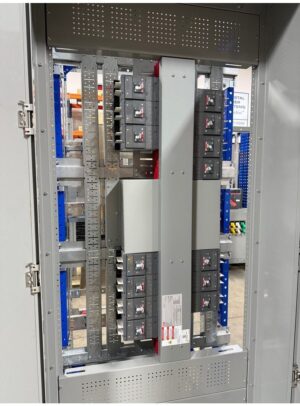
UL 67 panelboards serve a different role than switchboards or switchgear. Their primary purpose is the distribution and protection of branch circuits and feeder circuits throughout a facility. In practical terms, they act as the final major distribution point before power reaches lighting systems, receptacles, HVAC equipment, process loads, tenant spaces, and other electrical equipment.
The challenge is that many facilities eventually outgrow their original electrical distribution design. Electrical rooms become crowded, available circuit space disappears, load calculations change, and older equipment becomes difficult to support. Engineers are often asked to solve these problems while minimizing downtime and controlling project costs.
A properly selected UL 67 panelboard can provide the flexibility needed to support these changes while maintaining compliance with applicable electrical codes and safety requirements. The result is a distribution system that remains adaptable as facility needs evolve over time.
Where UL 67 Panelboards Fit Within the Electrical Distribution System
One of the most common specification mistakes occurs when project teams misunderstand the role of panelboards within the larger electrical distribution system. UL 67 panelboards, UL 891 switchboards, and UL 1558 switchgear all serve different purposes. Engineers should select each product based on the operational requirements of the system rather than treating them as interchangeable alternatives.
Panelboards are generally used for branch circuit and feeder distribution in commercial and light industrial environments. They are commonly used to distribute power to multiple downstream loads such as lighting, receptacles, HVAC equipment, tenant spaces, support systems, and local equipment. Switchboards generally serve larger distribution requirements and often act as the primary distribution point within a building. Switchgear is typically selected for critical power applications requiring advanced protection, higher fault-current capabilities, drawout breakers, and enhanced maintainability.
Why Engineers Specify UL 67 Panelboards
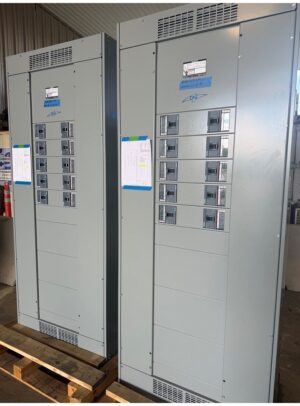
Electrical engineers rarely select panelboards based on appearance or catalog features alone. The decision typically revolves around reliability, code compliance, available space, future expansion needs, installation requirements, and lifecycle considerations. A panelboard may remain in service for decades, making the specification process more important than many project teams realize.
One major consideration is flexibility. Coastal Power Systems can provide panelboards configured as main breaker or main lug assemblies, in single-phase or three-phase arrangements, depending on project requirements. This flexibility allows engineers to align the panelboard design with the electrical system architecture rather than forcing the design to fit a limited product offering.
Another important consideration is maintainability. Electrical equipment inevitably requires maintenance, modifications, and expansion throughout its service life. Engineers should consider how future electricians and facility personnel will interact with the equipment years after the original installation. Proper circuit organization, clear documentation, quality construction, and adequate spare capacity often deliver more long-term value than small differences in initial purchase cost.
Applications for Coastal UL 67 Panelboards
Coastal’s UL 67 panelboards support a broad range of applications across commercial, institutional, light industrial, and mission-critical environments. They are used where branch circuit and feeder distribution must be reliable, code-compliant, maintainable, and practical to install.
Commercial Buildings
Panelboards distribute power to lighting systems, receptacle loads, HVAC equipment, office areas, tenant spaces, and support infrastructure.
Light Industrial Facilities
Light industrial operations use panelboards for local equipment, auxiliary systems, process support loads, and facility distribution needs.
Multi-Tenant Units
Panelboards support tenant improvements, individual tenant spaces, phased buildouts, and changing occupancy requirements.
Educational Institutions
Schools and campuses require flexible electrical distribution systems that can support evolving technology, occupancy, and building-use needs.
Medical Centers
Medical facilities use panelboards for support systems, administrative areas, non-critical infrastructure, and facility distribution applications.
Retail Stores
Retail facilities depend on panelboards for lighting, receptacles, tenant systems, equipment loads, and future layout changes.
Common Challenges in Panelboard Projects
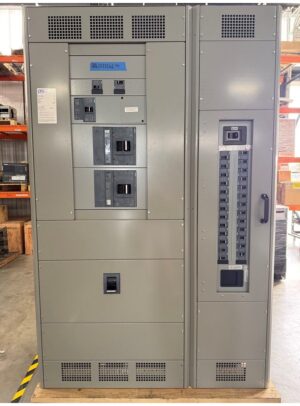
Most panelboard problems are not caused by the panelboard itself. Instead, they result from poor planning, inaccurate load assumptions, insufficient expansion capacity, or incomplete understanding of future operational requirements. Engineers frequently encounter facilities where panelboards have been modified repeatedly over many years. Circuit directories become inaccurate, available capacity disappears, and maintenance activities become increasingly difficult.
Space constraints represent another common challenge. Existing electrical rooms may have limited wall space, restricted access, or physical obstacles that complicate installation. In renovation projects, panelboards often need to fit within existing infrastructure while minimizing disruption to occupied areas. Selecting the proper configuration early in the design process can help avoid expensive field modifications and installation delays.
Fault current considerations also deserve attention. Although panelboards serve different functions than switchgear, they must still be properly rated for the electrical system in which they operate. Engineers should verify available fault current levels and ensure that equipment ratings are appropriate for the application.
How Coastal Power Systems Supports Panelboard Projects
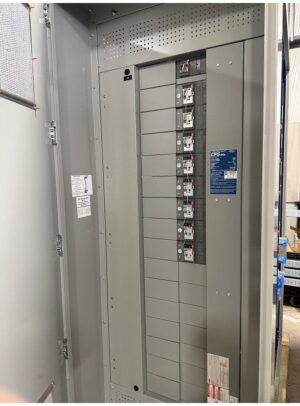
One advantage Coastal brings to panelboard projects is its combination of product supply, engineering support, and broader power distribution expertise. Unlike organizations that focus exclusively on panelboards, Coastal also supports switchgear, switchboards, retrofits, circuit breaker services, field testing, and power system modernization projects. This broader perspective allows the team to evaluate panelboards within the context of the overall electrical distribution system rather than as isolated products.
Coastal’s support extends beyond equipment procurement. The company provides technical assistance, wiring diagrams, custom assembly options, and field support when needed. For EPC firms, contractors, and facility owners, this support can help reduce uncertainty during installation and commissioning. For engineers, it provides an additional resource when evaluating options or addressing unique project requirements.
Reliability and Risk Reduction Considerations
Reliability in branch circuit distribution systems often comes down to attention to detail. Proper load calculations, adequate spare capacity, accurate documentation, quality installation practices, and routine maintenance all contribute to long-term performance. While panelboards may not receive the same attention as switchgear during design reviews, they frequently support hundreds of important electrical loads throughout a facility.
Facilities that prioritize reliability typically view panelboards as part of a broader electrical asset management strategy. They maintain accurate circuit directories, verify load levels periodically, inspect equipment during maintenance activities, and plan for future expansion. This proactive approach helps reduce unexpected outages while extending equipment life and improving operational flexibility.
Request a UL 67 Panelboard Review
If you are planning a facility expansion, tenant improvement, modernization project, or new construction effort, Coastal Power Systems can help evaluate panelboard requirements and identify practical solutions that align with your electrical design, schedule, and budget objectives.
Frequently Asked Questions
What is a UL 67 panelboard?
UL 67 is the industry safety standard that governs the construction, testing, and performance requirements for panelboards used for branch circuit and feeder distribution. These panelboards are commonly used in commercial, institutional, light industrial, and mission-critical facilities.
When should a project use a panelboard instead of a switchboard?
Panelboards are typically used for branch circuit and feeder distribution, while switchboards generally serve larger power distribution applications. The decision should be based on system requirements, available capacity, available fault current, physical space, code requirements, and operational objectives.
Can Coastal provide custom panelboard configurations?
Yes. Coastal offers main breaker and main lug configurations, single-phase and three-phase arrangements, custom assembly options, technical support, wiring diagrams, and field assistance to align the panelboard with project requirements.
What industries commonly use UL 67 panelboards?
Commercial buildings, educational facilities, medical centers, retail operations, multi-tenant developments, light industrial facilities, and mission-critical environments commonly use UL 67 panelboards for branch circuit and feeder distribution.
Why is UL 67 listing important?
UL 67 listing helps verify that the panelboard meets recognized construction, safety, and performance requirements and is suitable for use in accordance with applicable electrical codes. It also gives engineers, contractors, facility owners, and authorities having jurisdiction greater confidence that the equipment has been evaluated against recognized safety standards.
Additional Resources
Explore Our Capabilities
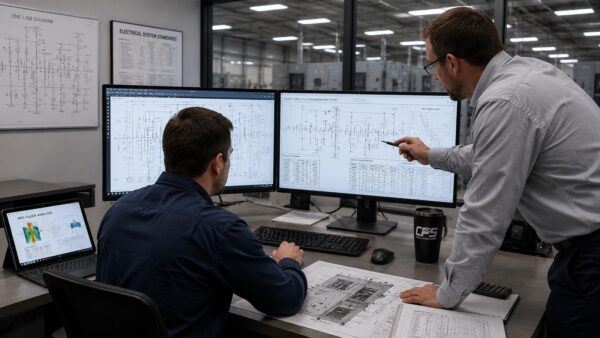
Engineering and Design Services
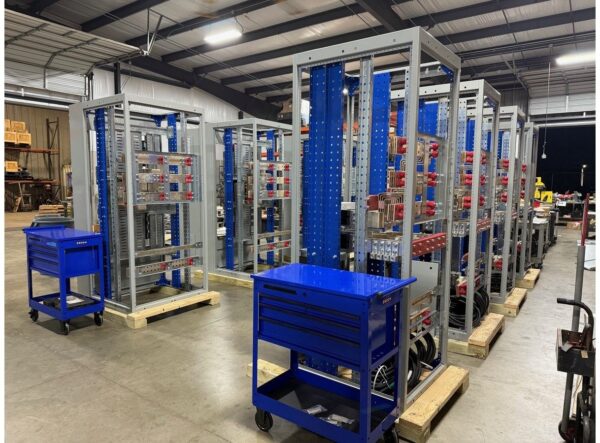
Manufacturing
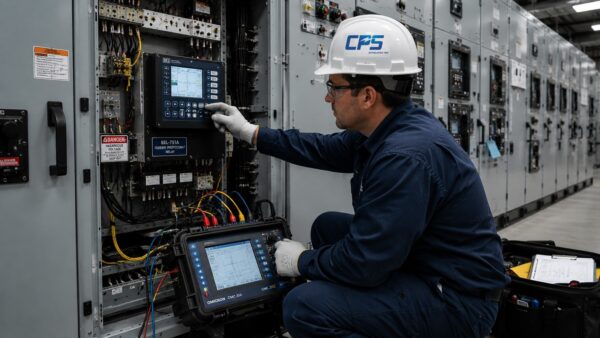
Testing & Commissioning
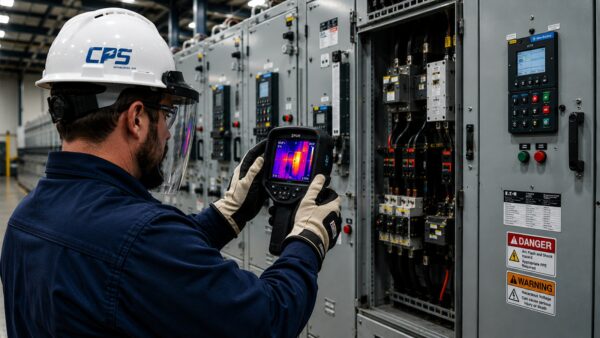
Maintenance and Reliability Services
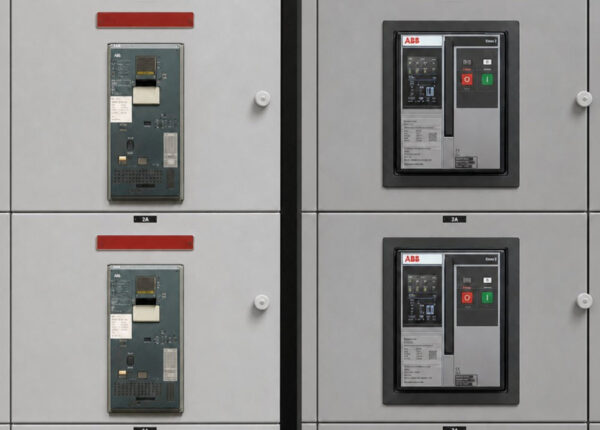
Modernization and Life Extension
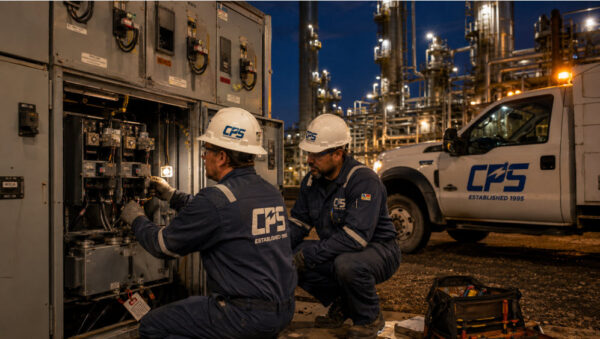
Emergency Response Services for Electrical Power Systems
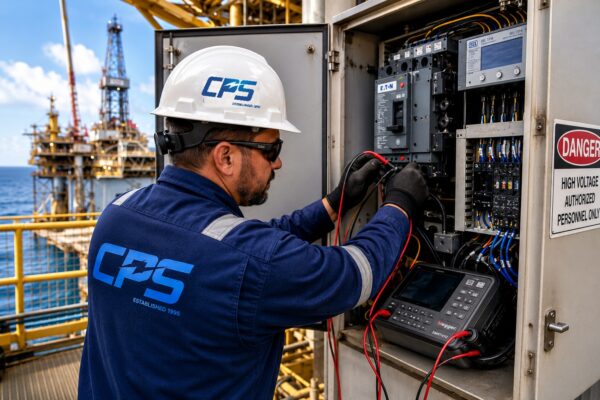
Field Services for Critical Power Infrastructure
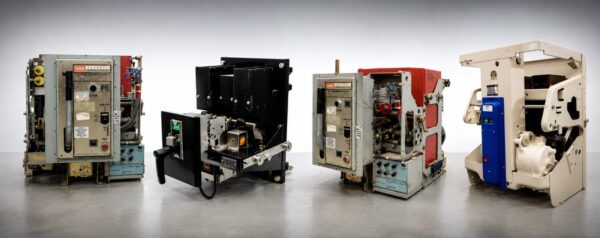
Industrial Circuit Breakers – Sales, Repairs, Retrofits & Parts
We Build What We Sell. We Support What We Build.