ARC FLASH STUDY SERVICES
Arc flash study services help facilities identify electrical hazards, reduce incident energy levels, improve worker safety, support regulatory compliance, and make informed decisions about electrical system upgrades and modernization projects.
Arc Flash Study Services for Electrical Safety, Compliance, and Risk Reduction
Many facility owners assume their greatest electrical risk is equipment failure or an unexpected outage. While those concerns are important, the potential consequences of an arc flash event can be even more severe. Arc flash incidents can result in serious injuries, equipment damage, extended downtime, regulatory violations, and significant financial losses. Unfortunately, many facilities do not fully understand their arc flash exposure until an engineering study is performed.
Coastal Power Systems provides arc flash study services to help industrial facilities, utilities, power generation companies, data centers, EPC firms, and critical infrastructure operators understand and reduce electrical safety risks. These studies identify arc flash hazards throughout the electrical distribution system, calculate incident energy levels, establish arc flash boundaries, evaluate protective device performance, and identify practical mitigation opportunities that improve safety without compromising reliability.
Our Arc Flash Study Services
- Arc Flash Hazard Analysis
- Incident Energy Calculations
- Arc Flash Boundary Determination
- Equipment Labeling Programs
- Short Circuit Analysis
- Protective Device Coordination Review
- Arc Flash Mitigation Recommendations
- Maintenance Mode Evaluation
- Breaker and Relay Setting Reviews
- Electrical Safety Compliance Support
What Is an Arc Flash Study?
An arc flash study is an engineering analysis that evaluates the potential energy released during an electrical arc fault. The study models the electrical distribution system, analyzes fault current levels, evaluates protective device clearing times, and calculates the incident energy that workers could be exposed to while interacting with energized equipment. The results are used to establish arc flash boundaries, determine personal protective equipment requirements, and identify opportunities to reduce risk.
While many people associate arc flash studies primarily with equipment labeling, the labels are one of the final outputs of the study rather than the primary purpose. The real value comes from understanding where hazards exist, why they exist, and what engineering changes can be made to reduce those hazards. A properly performed study gives facility owners information that can support both safety improvements and long-term electrical system planning.
Why Arc Flash Study Services Matter
Electrical safety programs are most effective when they are based on actual engineering data rather than assumptions. Without an arc flash study, facilities often have limited visibility into the hazards that exist within their electrical distribution systems. Workers may unknowingly be exposed to incident energy levels that exceed the protection provided by their personal protective equipment.
Arc flash study services provide the information needed to make informed decisions. Rather than treating every piece of equipment as equally hazardous, facilities can focus resources on the locations where risk is greatest. This allows organizations to prioritize mitigation efforts, improve safety programs, and allocate capital more effectively.
What Problems Can an Arc Flash Study Identify?
One of the most common misconceptions about arc flash hazards is that they are determined solely by voltage level. In reality, incident energy is influenced by multiple factors, including available fault current, equipment configuration, working distance, and protective device clearing time. As a result, some lower-voltage systems may present greater arc flash hazards than higher-voltage systems depending on how the protection system is configured.
Arc flash studies frequently identify areas where incident energy levels are significantly higher than expected. Engineers may discover that protective devices operate too slowly, coordination settings create unintended safety consequences, or equipment modifications have increased hazard levels. In many cases, facilities also discover that existing arc flash labels are outdated because the electrical system has changed since the original study was performed.
How Arc Flash Studies Support Risk Reduction
The greatest value of an arc flash study is not the report itself. The value comes from the mitigation opportunities identified during the analysis. Once engineers understand how incident energy is distributed throughout the system, they can evaluate practical methods for reducing exposure. These solutions may include protective device setting changes, maintenance mode implementation, relay upgrades, zone selective interlocking, arc-resistant equipment, remote operation capabilities, or switchgear modernization projects.
Many facilities discover that relatively small changes can significantly reduce incident energy levels. In other situations, larger modernization projects may be justified because they provide both safety and reliability benefits. The key advantage of the study is that these decisions can be based on engineering data rather than assumptions.
Common Arc Flash Risk Reduction Strategies
Protection Setting Review
Breaker and relay settings can sometimes be adjusted to reduce incident energy while still supporting reliable system operation.
Maintenance Mode
Maintenance mode can reduce incident energy during specific maintenance activities by changing protective device response characteristics.
Relay Upgrades
Modern protective relays can provide improved protection functions, faster clearing options, and better visibility into system conditions.
Zone Selective Interlocking
Zone selective interlocking can help balance faster fault clearing with selective coordination when applied correctly.
Remote Operation
Remote operation can reduce worker exposure by allowing certain switching operations to occur outside the immediate hazard area.
Equipment Modernization
Switchgear upgrades, breaker replacement, arc-resistant equipment, and modernization projects can support both safety and reliability objectives.
The Relationship Between Arc Flash Studies and Coordination Studies
Arc flash studies and power system coordination studies are closely connected because both rely on the performance of protective devices. However, the objectives are different. Coordination studies focus on minimizing the impact of faults by ensuring protective devices operate selectively. Arc flash studies focus on reducing worker exposure to incident energy during electrical tasks.
These objectives sometimes complement each other and sometimes compete. Faster breaker operation may reduce incident energy but negatively affect coordination. Slower operation may improve selectivity while increasing arc flash exposure. Engineers must balance both objectives when developing protection strategies. This is why arc flash studies are often performed alongside short circuit studies and coordination studies as part of a comprehensive engineering evaluation.
When Should Facilities Update Arc Flash Studies?
Arc flash studies should be reviewed whenever significant changes occur within the electrical distribution system. Common examples include utility service upgrades, transformer replacements, generator installations, switchgear replacements, breaker upgrades, relay modifications, facility expansions, and major load additions. Any change that affects available fault current or protective device operation can alter incident energy levels.
Facilities should also periodically review existing studies to ensure that labels, calculations, and recommendations remain accurate. Many organizations operate systems that have changed substantially since the original study was completed. Relying on outdated information can create both safety and compliance concerns.
Industries That Benefit Most from Arc Flash Study Services
Arc flash study services provide value across nearly every industry, but they are particularly important in environments where personnel regularly interact with energized electrical equipment. Industrial manufacturing facilities, petrochemical plants, refineries, utilities, data centers, power generation facilities, water treatment plants, and municipal infrastructure operators all depend on electrical systems that can present significant arc flash hazards if not properly managed.
In these environments, safety incidents can affect not only workers but also operations, production schedules, environmental compliance, and public services. Understanding and reducing electrical risk therefore becomes both a safety objective and a business objective.
Why Coastal Power Systems?
Arc flash studies are most effective when the resulting recommendations can be translated into practical improvements. Coastal Power Systems combines engineering studies with manufacturing, testing, commissioning, modernization, maintenance, and lifecycle support capabilities. This broader perspective allows study recommendations to be evaluated in terms of safety, reliability, maintainability, and overall system performance.
Because Coastal supports electrical infrastructure throughout its lifecycle, arc flash studies can be integrated with modernization projects, relay upgrades, maintenance programs, equipment replacements, and reliability initiatives. The result is a study that not only identifies hazards but also helps facilities develop practical strategies for reducing risk and improving long-term system performance.
Request an Arc Flash Study Review
If your facility has added new equipment, upgraded electrical infrastructure, installed generators, modified protection systems, or has not reviewed its arc flash hazards in several years, an updated arc flash study may help identify opportunities to improve safety and reduce operational risk.
Frequently Asked Questions
What is an arc flash study?
An arc flash study evaluates the potential incident energy released during electrical fault conditions and determines the hazard exposure associated with energized electrical equipment.
Why are arc flash studies important?
Arc flash studies help facilities understand electrical hazards, improve worker safety, support compliance efforts, and identify opportunities to reduce incident energy levels.
How often should arc flash studies be updated?
Studies should be reviewed whenever significant changes occur within the electrical distribution system and periodically throughout the life of the facility to ensure results remain accurate.
Can an arc flash study reduce incident energy levels?
Yes. While the study itself does not reduce hazards, it often identifies mitigation opportunities such as protection setting changes, relay upgrades, maintenance mode implementation, and equipment modernization.
Is an arc flash study the same as a coordination study?
No. Arc flash studies evaluate worker exposure to incident energy while coordination studies evaluate how protective devices respond during fault conditions. The two studies are closely related but serve different purposes.
Additional Information
The following organizations publish widely recognized standards, technical guidance, and best practices related to arc flash hazard analysis, electrical safety, incident energy reduction, and power system protection.
Explore Our Capabilities
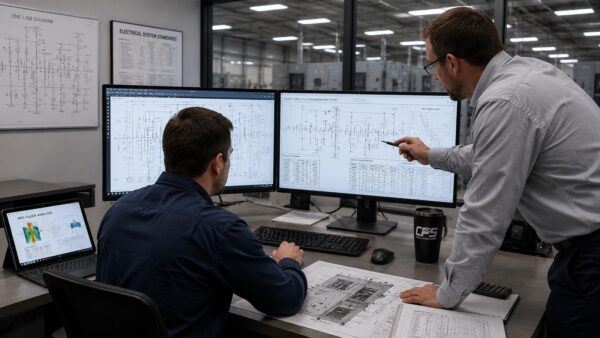
Engineering and Design Services
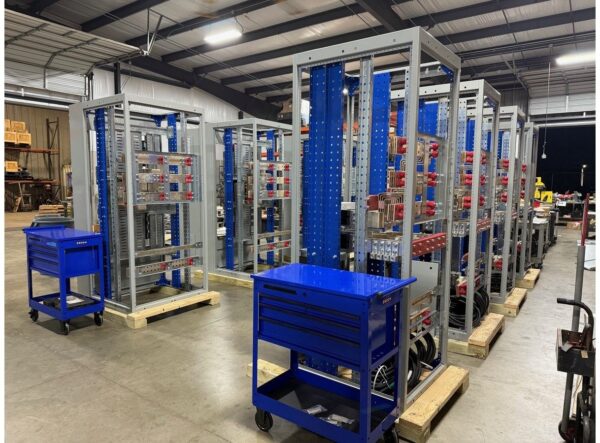
Manufacturing
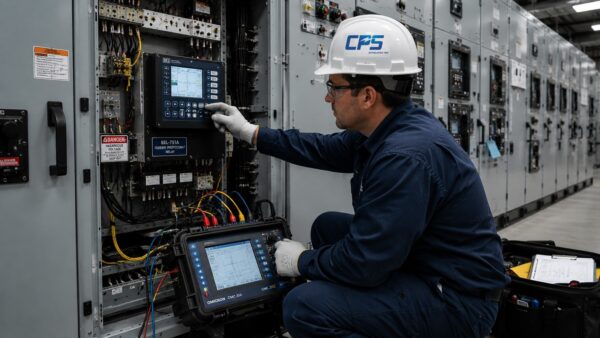
Testing & Commissioning
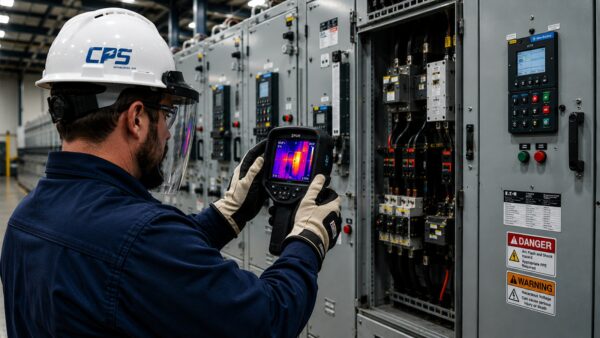
Maintenance and Reliability Services
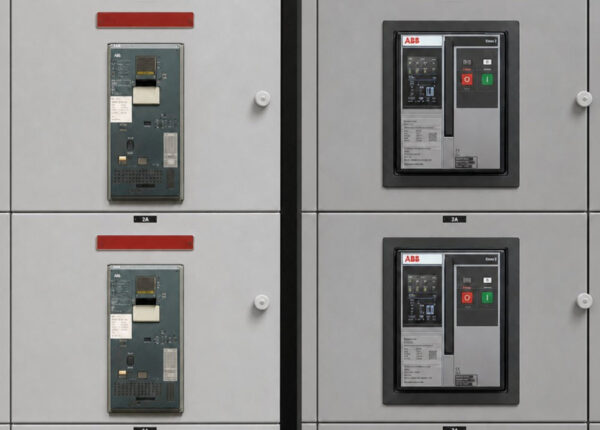
Modernization and Life Extension
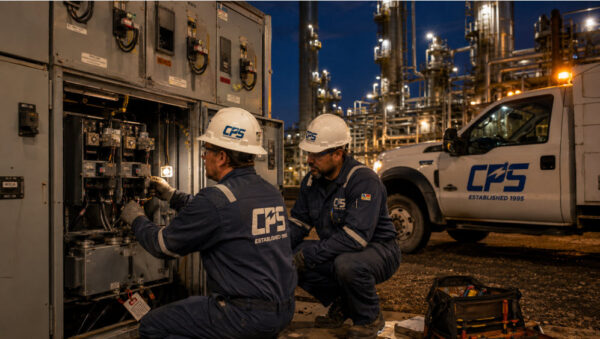
Emergency Response Services for Electrical Power Systems
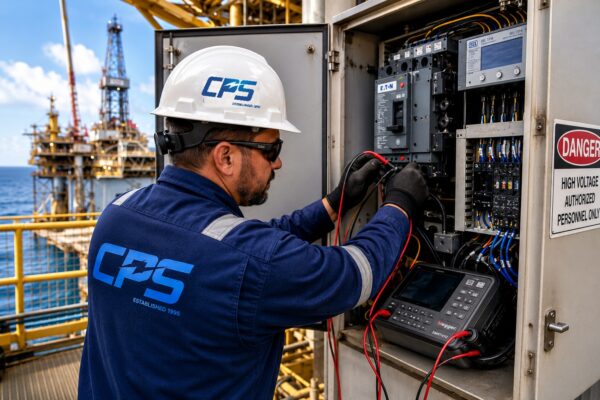
Field Services for Critical Power Infrastructure
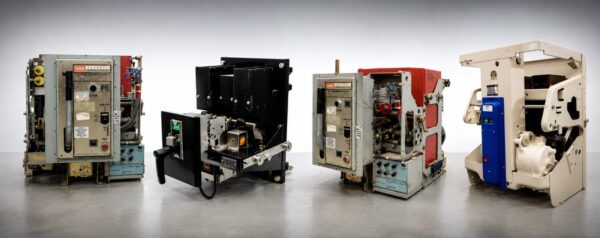
Industrial Circuit Breakers – Sales, Repairs, Retrofits & Parts
We Build What We Sell. We Support What We Build.